What if the secret to creating a standout game wasn’t buried in innovative technology or dazzling graphics, but in something far simpler, yet often overlooked? Picture this: after ten years of trial, error, and countless late nights, a game developer finally uncovers the one piece of advice that could have saved them years of frustration. It’s not about coding shortcuts or marketing hacks; it’s about the very foundation of game creation: the strength of your idea. In an industry where flashy execution often steals the spotlight, the truth is that even the most polished game can falter if its core concept doesn’t resonate. This feature dives into the hard-earned wisdom that many developers wish they’d known from the start.
Below Isto Inc. explains how to evaluate and refine your game concepts using the “idea iceberg” framework, a tool designed to help you uncover the hidden depths of your ideas. From aligning your skills with your ambitions to using market research and external validation, this approach offers a structured path to creating games that truly connect with players. Whether you’re a seasoned developer or just starting out, these insights could transform the way you think about game design. After all, the best ideas aren’t just born, they’re carefully shaped through experience and reflection.
Why Game Ideas Matter
TL;DR Key Takeaways :
- The strength of a game idea is the foundation of its success, often outweighing technical execution and visual polish.
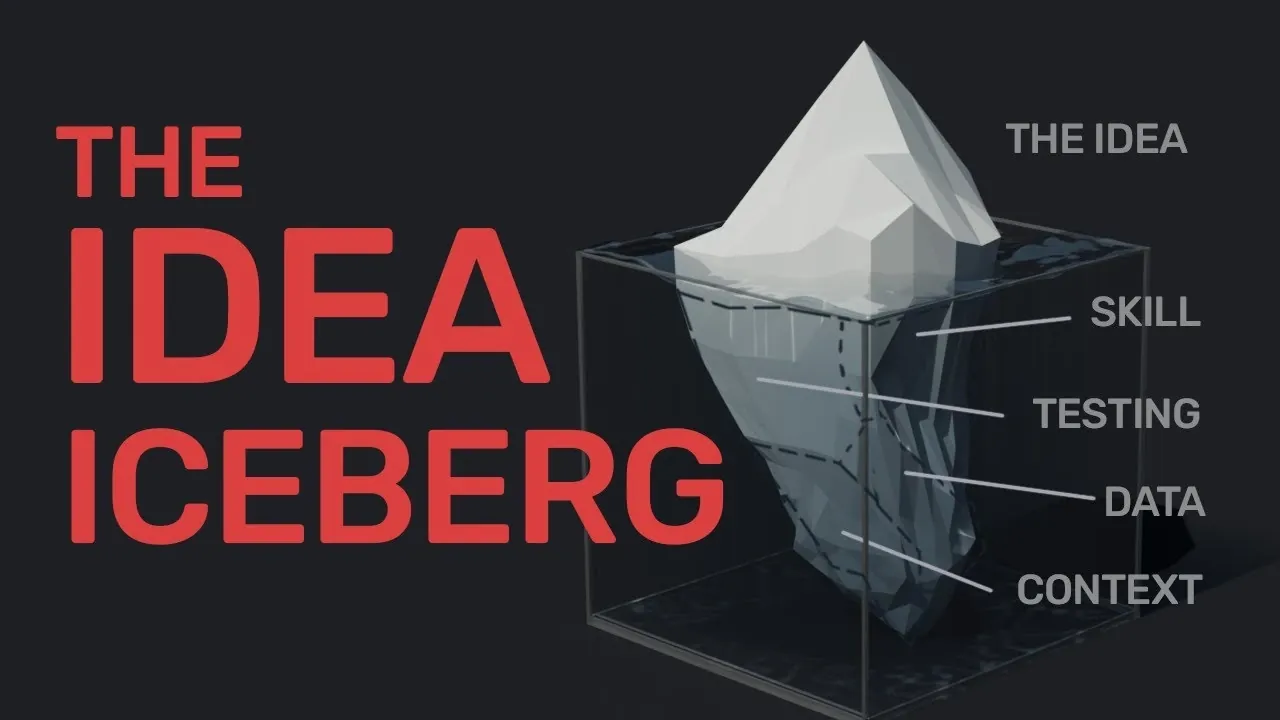
- The “idea iceberg” framework helps refine game concepts by evaluating surface appeal, personal experience, feasibility, and market research.
- Market research and external validation, such as player feedback, surveys, and game jams, are crucial for assessing a game’s potential audience and demand.
- Aligning your team’s skills with the demands of your game idea is essential to avoid delays, budget overruns, and unmet expectations.
- Balancing passion with objectivity, learning from failure, and embracing feedback are key to refining ideas and creating successful, player-resonant games.
Every successful game begins with a strong, engaging idea. A great concept has the power to captivate players, even if the execution isn’t flawless. However, not all ideas are created equal. To determine whether your idea has potential, it’s essential to evaluate it from multiple perspectives, including its appeal, feasibility, and marketability. This is where the “idea iceberg” framework becomes an invaluable tool, helping you assess and refine your concept to ensure it stands out in a competitive industry.
The Idea Iceberg Framework
The “idea iceberg” framework provides a structured approach to evaluating and validating game ideas. It breaks down the process into four distinct layers, each offering deeper insights into your concept and its potential.
- Surface Level: This is your idea’s first impression. Does it stand out in a crowded market? Is it unique enough to spark curiosity and interest among players?
- Experience and Context: Your personal background as a gamer and developer plays a critical role. How does your idea compare to existing games? What lessons from past projects can you apply to improve it?
- Skill and Feasibility: Assess your team’s capabilities and resources. Can you realistically bring this idea to life within your budget, timeline, and technical expertise?
- Market Research: Analyze trends and identify gaps in the market. Are players actively seeking games like yours, and does your concept address an unmet demand?
By systematically working through these layers, you can refine your idea and determine whether it’s worth pursuing further.
Game Dev Advice That Took 10 Years to Discover

Explore further guides and articles from our vast library that you may find relevant to your interests in Game Development.
Market Research and External Validation
Market research is a cornerstone of successful game development. Understanding your target audience and identifying market trends can help you determine whether your idea has a viable audience. Study successful games in your genre, analyze player preferences, and pinpoint gaps in the market that your game could fill. However, data alone isn’t enough to validate your concept.
External validation is equally critical. Consider creating a pitch deck to present your idea to potential stakeholders or collaborators before committing to full development. This allows you to test the waters and gather valuable feedback. Participating in game jams is another effective way to gauge how your idea resonates with players and peers. Additionally, tools like player wishlists, surveys, and early playtesting can provide insights into whether your concept generates genuine interest and excitement.
Aligning Skills with Ambition
The alignment between your team’s skills and the demands of your game idea is crucial. If your concept requires advanced mechanics, high-end visuals, or other complex features, ensure that your team has the necessary expertise and resources to deliver. Misalignment can lead to delays, budget overruns, or a final product that falls short of expectations.
Beyond technical skills, intuition plays a significant role in game development. Over time, you’ll develop a sharper sense of what works and what doesn’t. This instinct, honed through experience, can guide your creative decisions and help you identify promising ideas early in the process. Trusting your intuition while remaining open to feedback can strike a balance between creativity and practicality.
Early Feedback and Iteration
Gathering feedback early in the development process is essential for refining your game concept. Playtesting, surveys, and social media engagement are valuable tools for understanding how players perceive your game. Use this feedback to make informed, data-driven adjustments that align your concept more closely with player expectations.
It’s important to recognize the difference between casual interest and genuine excitement. While players may express curiosity about your game, your goal is to create a product that they are eager to buy, play, and recommend to others. Iteration based on early feedback can help you bridge this gap and create a game that truly resonates with your audience.
Learning from Failure
Failure is an inevitable part of game development, but it’s also one of the most valuable learning opportunities. Analyzing what went wrong in past projects can provide critical insights for future endeavors. Did you overestimate your team’s capabilities? Did you neglect thorough market research? By identifying and addressing these issues, you can avoid repeating the same mistakes and improve your chances of success in future projects.
Balancing Passion with Objectivity
Passion is a driving force for many game developers, but it must be balanced with objectivity. While it’s natural to feel deeply connected to your ideas, it’s equally important to remain open to feedback and market insights. Adapting your concept based on external input doesn’t mean abandoning your vision, it means refining it to ensure it resonates with your audience. This balance between passion and objectivity is key to creating games that are both personally fulfilling and commercially successful.
Refining Your Path to Success
Creating a successful game begins with a strong idea, but it requires much more to bring that idea to life. By applying the “idea iceberg” framework, conducting thorough market research, and seeking external validation, you can refine your concepts and improve their chances of success. Align your team’s skills with your ambitions, trust your intuition, and embrace feedback to create games that stand out in a competitive industry. Most importantly, view failure as an opportunity for growth and remain open to learning from your experiences. With these strategies, you’ll be better equipped to navigate the challenges of game development and turn your ideas into games that captivate and inspire players.
Media Credit: Isto Inc.
Filed Under: Design News, Gaming News
Latest Geeky Gadgets Deals
Disclosure: Some of our articles include affiliate links. If you buy something through one of these links, Geeky Gadgets may earn an affiliate commission. Learn about our Disclosure Policy.
Credit: Source link