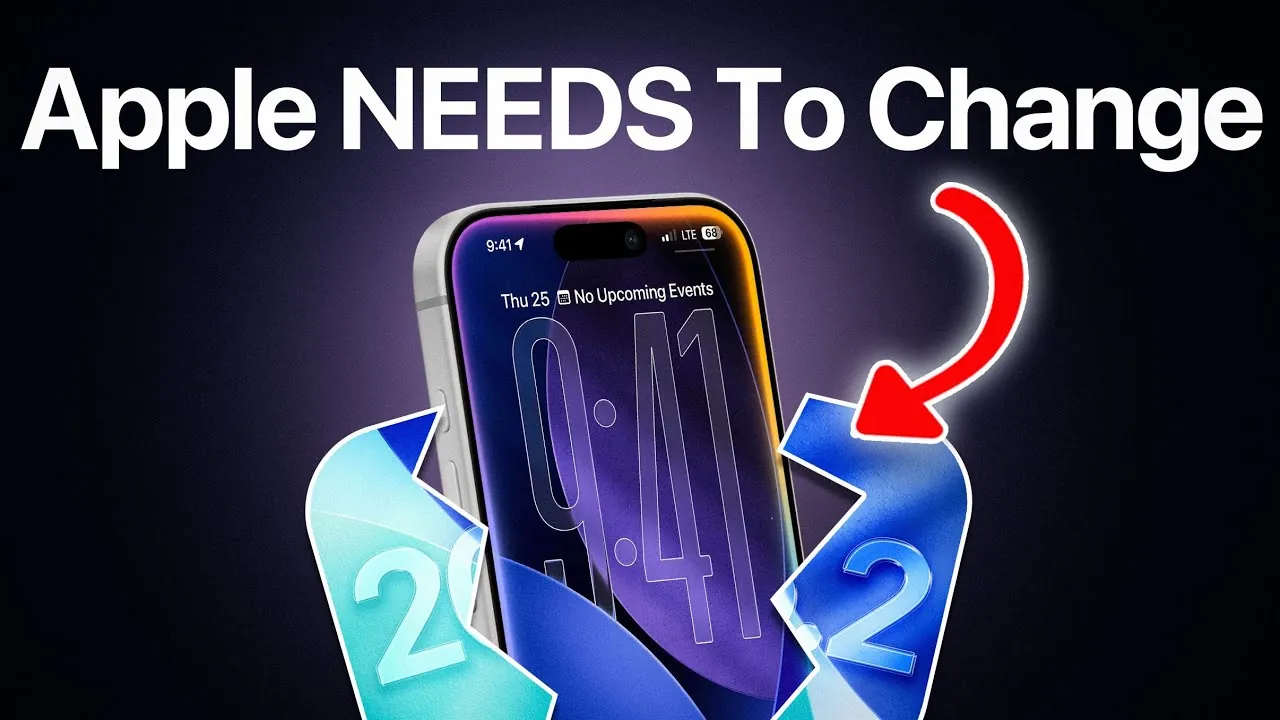
Apple’s iOS 26.2 update represents a pivotal moment for the company, particularly in Japan, where regulatory requirements have driven significant changes. These updates are not just about compliance; they reflect Apple’s broader strategy to balance innovation, user choice, and regulatory demands. With features such as third-party payment processing, the ability to set default apps, and customizable hardware buttons, iOS 26.2 signals a shift in Apple’s approach to its ecosystem. These changes could have profound implications for users, developers, and the company’s global strategy. The video below from iDeviceHelp gives us more details.

Third-Party Payment Processing: Redefining Revenue Models
For the first time, Apple allows developers in Japan to bypass its App Store payment system by integrating third-party payment processors. This move reduces reliance on Apple’s standard 30% commission, offering developers greater control over their revenue. The change mirrors similar adjustments in the European Union, where regulatory scrutiny has compelled Apple to loosen its grip on app distribution and payment systems.
This development benefits both developers and users. Developers gain more flexibility in managing their revenue streams, while users may see reduced app prices as developers pass on savings. However, this raises an important question: will Apple extend this policy to other regions, or will it remain a localized adjustment? The answer could reshape Apple’s global ecosystem, influencing its relationships with developers and regulators alike.
By introducing this feature, Apple demonstrates its willingness to adapt to regulatory pressures while maintaining its competitive edge. For users, this change could mark the beginning of more affordable and diverse app options, particularly in regions where similar policies might eventually be adopted.
Default App Selection: Enhancing User Autonomy
One of the most user-centric updates in iOS 26.2 is the ability to set third-party apps as defaults for core functions like browsing, navigation, and search. Previously, Apple’s native apps, such as Safari and Maps, were locked as the default options, limiting user choice. Now, you can configure your iPhone to open links in apps like Chrome or Google Maps, tailoring your device to your preferences.
This update aligns with growing demands for customization and user empowerment. It also reflects a subtle but significant shift in Apple’s traditionally closed ecosystem. By allowing users to choose their preferred apps, Apple acknowledges the importance of flexibility in today’s competitive tech landscape. While this feature is currently available only in Japan, it raises the possibility of similar updates in other regions, potentially setting a new standard for user control.
For users, this change represents more than just convenience—it’s a step toward greater autonomy over how their devices function. For developers, it opens up new opportunities to compete with Apple’s native apps, fostering innovation and diversity in the app ecosystem.
Customizable Side Button: Expanding Device Personalization
iOS 26.2 introduces a new API that allows developers to customize the iPhone’s side button, allowing users to assign it to third-party voice assistants like ChatGPT or Google Gemini. This feature expands the functionality of Apple’s hardware, offering users more ways to personalize their devices.
For users, this update enhances usability by allowing them to tailor their iPhones to better suit their needs. Whether it’s activating a preferred voice assistant or assigning other functions, the customizable side button adds a layer of convenience and flexibility. For Apple, this move reflects a willingness to open its hardware to third-party integrations, a decision likely influenced by regulatory pressures and competitive dynamics.
This feature not only diversifies the functionality of Apple’s devices but also signals a shift in the company’s approach to hardware-software integration. By embracing third-party customization, Apple demonstrates its commitment to meeting user demands while navigating the challenges of a more competitive and regulated tech environment.
Regulatory Compliance: Driving Innovation and Adaptation
The updates in iOS 26.2 are a direct response to Japan’s mobile software competition laws, which aim to promote fairer practices in the tech industry. These regulations are part of a broader global trend, with governments increasingly scrutinizing dominant tech companies like Apple to ensure compliance with local market demands.
By adhering to these laws, Apple not only avoids potential penalties but also demonstrates its ability to adapt to evolving regulatory landscapes. However, this compliance highlights a broader challenge: balancing the need for a unified global ecosystem with the demands of region-specific regulations. For users and developers, this raises important questions about how Apple will navigate these competing priorities in the future.
These regulatory-driven changes also underscore the growing influence of government policies on the tech industry. As more countries introduce similar laws, Apple’s ability to adapt will play a crucial role in shaping its global strategy and maintaining its competitive edge.
Global Implications: Balancing Unity and Regional Demands
The changes introduced in iOS 26.2 have far-reaching implications for Apple’s global strategy. Should features like third-party payment processing and default app selection be rolled out worldwide, or should they remain confined to regions with specific regulatory demands?
A global rollout could enhance user satisfaction and create new opportunities for developers, fostering a more open and competitive ecosystem. However, it might also weaken Apple’s control over its ecosystem, a cornerstone of its business model. On the other hand, a region-specific approach risks creating a fragmented user experience and complicating app development for global markets.
For Apple, the challenge lies in finding a balance that satisfies both users and regulators without compromising its brand identity. As regulatory pressures continue to grow, the company’s ability to adapt while maintaining its core values will be critical to its long-term success.
The updates in iOS 26.2 mark a significant step in Apple’s evolution, driven by the need to comply with local regulations and meet user demands for greater customization. Whether these changes remain region-specific or become a global standard, they signal a shift in how Apple navigates the complexities of a competitive and increasingly regulated tech industry. For users and developers, the future of Apple’s ecosystem promises to be both dynamic and uncertain, offering new opportunities and challenges in equal measure.
Browse through more resources below from our in-depth content covering more areas on iOS 26.2 updates.
Source & Image Credit: iDeviceHelp
Filed Under: Apple, Apple iPhone, Top News
Latest Geeky Gadgets Deals
Disclosure: Some of our articles include affiliate links. If you buy something through one of these links, Geeky Gadgets may earn an affiliate commission. Learn about our Disclosure Policy.
Credit: Source link