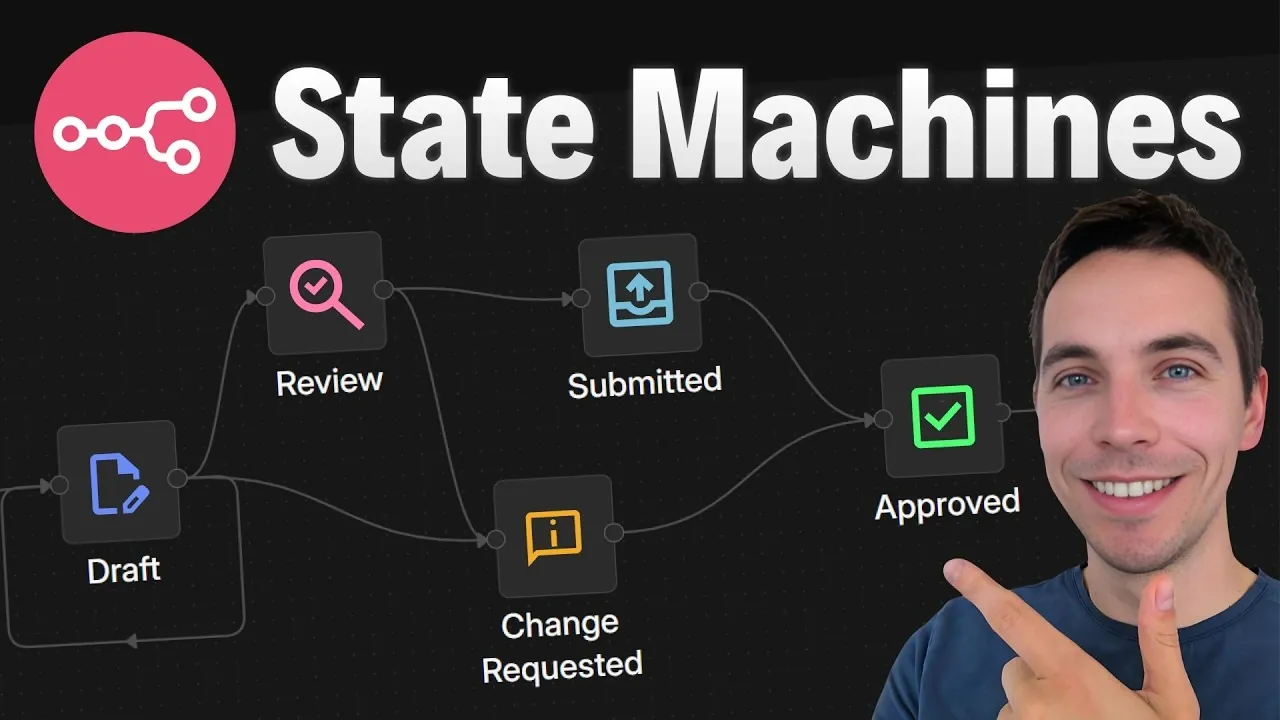
What if the AI agents you rely on for critical business workflows could be as dependable as your best employee, never skipping steps, losing focus, or making costly mistakes? Below, AI Automators takes you through how to achieve this level of reliability using n8n and state management strategies that transform how AI agents handle complex processes. From customer support to order tracking, AI often stumbles when managing multi-step workflows, leading to skipped tasks, lost context, or inconsistent results. But with the right structure in place, these pitfalls can be avoided, unlocking a new level of precision and dependability.
In this guide, you’ll discover the secrets to building AI agents that don’t just work but excel in high-stakes scenarios. By exploring two distinct approaches, workflow-based and database-driven state management, you’ll see how to design agents that adapt to complexity, maintain context across sessions, and handle edge cases with ease. Whether you’re looking to streamline customer service or automate intricate troubleshooting, the strategies shared here will give your AI agents the structure they need to thrive. The difference between an AI that stumbles and one that delivers lies in the details, and this breakdown will show you why state management is the cornerstone of reliability.
Building Reliable AI Workflows
TL;DR Key Takeaways :
- State Management is Crucial: Reliable AI agents require robust state management to maintain context, avoid skipping steps, and ensure consistent results in complex workflows.
- State Machines Provide Structure: State machines act as a blueprint, allowing AI agents to track progress, maintain sequence, and handle edge cases effectively.
- Two Approaches to State Management: Workflow-based management is ideal for simple, short-lived workflows, while database/table-based management supports complex, long-running workflows with advanced validation and scalability.
- Advanced Features Enhance Reliability: Features like guard conditions, sub-workflows, restart logic, and escalation logic improve precision and efficiency in managing workflows.
- Practical Applications of Robust AI Agents: Reliable state management enables AI agents to excel in customer support, product returns, and troubleshooting workflows, making sure accuracy and consistency.
Challenges Faced by Basic AI Agents
AI agents often encounter difficulties when managing multi-step workflows, particularly in high-stakes business scenarios such as customer support, order processing, or technical troubleshooting. These challenges can undermine their reliability and effectiveness. Common issues include:
- Workflow Tracking Failures: Inability to monitor progress, leading to incomplete tasks.
- Context Loss: Forgetting information between sessions or interactions.
- Step Skipping: Missing essential steps, resulting in inconsistent or incorrect outcomes.
Addressing these challenges requires a structured and systematic approach to state management, making sure that AI agents operate with precision and consistency.
State Machines: A Framework for Structure
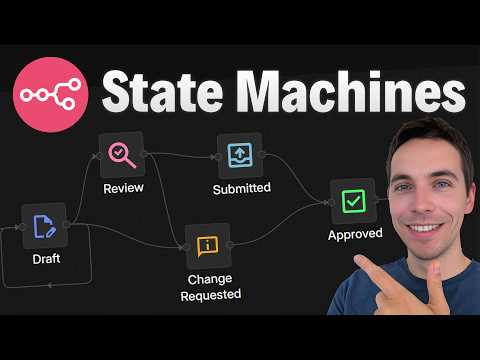
State machines provide a robust framework for managing workflows, acting as a “blueprint” that guides AI agents through predefined processes. By implementing state machines, AI agents can:
- Track Progress: Monitor collected data and completed steps accurately.
- Maintain Sequence: Follow the correct order in multi-step workflows.
- Handle Edge Cases: Manage retries, escalations, and exceptions in a controlled manner.
This structured approach is particularly valuable in scenarios requiring high levels of precision and consistency, such as customer service workflows, product return processes, or technical troubleshooting.
The Key to Building Reliable AI Agents in n8n
Here is a selection of other guides from our extensive library of content you may find of interest on n8n.
Approach 1: Workflow-Based State Management
n8n’s workflow canvas allows you to design and manage states and transitions directly within workflows. This approach is ideal for straightforward use cases and offers several benefits:
- Integrated Logic: Incorporates validation rules, restart mechanisms, and escalation logic within workflows.
- Visual Design: Provides a user-friendly interface for creating and managing workflows.
Advantages:
- Simple to implement for basic workflows with minimal complexity.
- Does not require external data storage or persistence layers.
Limitations:
- Lacks state persistence across sessions, making it unsuitable for long-running workflows.
- Becomes difficult to manage as workflows grow in complexity.
This method is best suited for short-lived workflows with minimal steps and straightforward validation requirements.
Approach 2: Database/Table-Based State Management
For more complex workflows, using external data tables or databases to store workflow states and configurations offers greater flexibility and scalability. This approach involves:
- Defining Workflow Steps: Use configuration tables to outline steps, questions, and validation rules.
- Tracking Session States: Store session data and extracted information in dedicated tables.
- Dynamic Validation: Validate inputs, such as order numbers, against external databases.
- Systematic Error Handling: Manage retries, restarts, and escalations with precision.
Advantages:
- Supports state persistence across sessions, allowing long-running workflows.
- Scales effectively for workflows with multiple steps and complex validation requirements.
- Enhances observability and debugging through stored data.
This approach is ideal for workflows that demand advanced validation, modularity, and scalability, making it a preferred choice for intricate business processes.
Advanced Features for Enhanced Workflow Reliability
To further improve the reliability of AI agents, consider incorporating advanced features into your workflows. These enhancements can significantly boost the precision and efficiency of your state management:
- Guard Conditions: Apply specific validation rules, such as database checks, to ensure data accuracy and consistency.
- Sub-Workflows: Create modular, reusable logic components to streamline complex workflows.
- Restart Logic: Enable workflows to recover gracefully from interruptions or errors.
- Escalation Logic: Manage unresolved queries or retries systematically to maintain workflow integrity.
- Complex State Transitions: Model intricate workflows with substates and granular transitions for greater control.
These features empower AI agents to handle sophisticated workflows with greater precision, making sure consistent and reliable outcomes.
Comparing Workflow-Based and Database/Table-Based Approaches
When choosing between workflow-based and database/table-based state management, it is essential to align your decision with the complexity and requirements of your workflows. Key considerations include:
Workflow-Based State Management:
- Best suited for simple, short-lived workflows with minimal complexity.
- Limited scalability and flexibility for handling advanced scenarios.
Database/Table-Based State Management:
- Ideal for complex, long-running workflows requiring advanced validation and scalability.
- Supports state persistence and enhances observability for debugging and optimization.
Selecting the right approach ensures that your AI agents can effectively manage the demands of your specific business processes.
Applications of Robust State Management
AI agents equipped with reliable state management capabilities can excel in a variety of practical applications, including:
- Customer Support Chatbots: Guide users through multi-step support processes with accuracy and consistency.
- Product Return Agents: Validate return requests, track their progress, and ensure seamless resolution.
- Troubleshooting Workflows: Assist users in resolving technical issues step by step, minimizing errors and delays.
These use cases highlight the importance of structured workflows in delivering dependable and efficient AI-driven solutions.
Key Recommendations for Building Reliable AI Agents
To design AI agents capable of managing complex business workflows with accuracy and scalability, follow these guidelines:
- Choose the Right Approach: Use workflow-based state management for simple scenarios and database/table-based management for complex or scalable workflows.
- Use Advanced Features: Incorporate guard conditions, sub-workflows, and restart logic to enhance reliability.
- Model Sophisticated Workflows: Use granular state transitions and substates for intricate processes.
By combining state machines with n8n’s powerful tools, you can create AI agents that deliver consistent, reliable, and efficient results, meeting the demands of modern business workflows.
Media Credit: The AI Automators
Filed Under: AI, Guides
Latest Geeky Gadgets Deals
Disclosure: Some of our articles include affiliate links. If you buy something through one of these links, Geeky Gadgets may earn an affiliate commission. Learn about our Disclosure Policy.
Credit: Source link