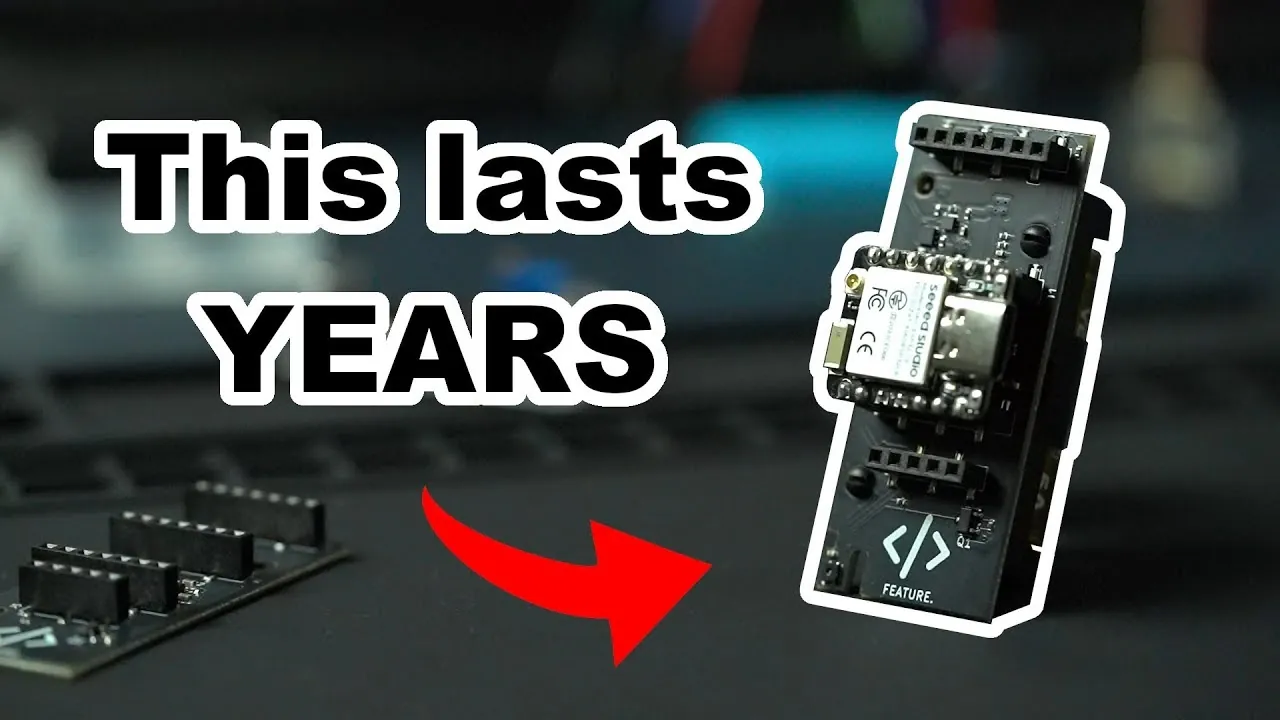
Imagine a world where your smart home devices are so efficient, you barely think about them, no constant recharging, no scrambling for fresh batteries, just seamless automation. Yet, for many, this vision feels out of reach. The reality is that battery life is the Achilles’ heel of smart home technology, especially for devices like plant care monitors that need to run continuously. In this breakdown, FEATURE. walks through how innovative design strategies and innovative components can tackle this challenge head-on, offering a glimpse into the future of energy-efficient smart devices. From rethinking battery chemistry to optimizing microcontrollers, this analysis dives into the technical hurdles and creative solutions shaping smarter, longer-lasting systems.
If you’ve ever wondered why your smart devices don’t last as long as they should, or how to design one that does, this guide offers more than just answers. You’ll uncover the role of lithium-ion technology, the trade-offs between microcontroller options like the NRF52840 and ESP32, and the importance of custom PCB design in creating efficient, reliable devices. Whether you’re a tech enthusiast, a DIY builder, or simply curious about the inner workings of smart home innovation, this exploration will leave you rethinking what’s possible. The question isn’t just how to solve the battery problem, it’s how these solutions could redefine the way we interact with technology.
Energy-Efficient Smart Plant Care
TL;DR Key Takeaways :
- Smart plant care devices aim to balance energy efficiency and functionality, using capacitive soil moisture sensors for accurate monitoring while minimizing battery replacements.
- Lithium-ion batteries are preferred over traditional options due to their higher energy density, stable voltage output, and longer lifespan, though they require custom solutions for integration and safety.
- Microcontroller selection is critical for energy efficiency, with options like NRF52840 for low-power protocols and ESP32 for versatile Wi-Fi connectivity, each with distinct trade-offs.
- Custom PCB design enhances energy efficiency and safety by integrating features like overcharge protection, short-circuit prevention, and MOSFETs for precise power control.
- Innovative power management and low-energy communication protocols, such as Zigbee or Thread, can significantly extend battery life, with potential operation spans of 1.7 to 5 years depending on usage and optimization.
The Vision: Smarter Plant Care Through Technology
A smart plant care device is designed to monitor and alert you about your plants’ needs, making sure they thrive with minimal effort. Capacitive soil moisture sensors, known for their accuracy and resistance to environmental interference, are a natural choice for this purpose. However, powering such a device efficiently, without frequent battery replacements, requires innovative design. Energy-efficient solutions are essential to ensure the device remains practical and reliable over time.
To achieve this vision, the device must integrate advanced sensors, robust connectivity, and optimized power management. These components work together to provide real-time data while minimizing energy consumption, making sure the device can operate autonomously for extended periods.
Battery Limitations and the Role of Lithium-Ion Technology
Traditional alkaline and rechargeable AA/AAA batteries often fall short in meeting the energy demands of modern smart devices. Their limited energy density and inconsistent voltage output make them less suitable for long-term use. In contrast, lithium-ion batteries offer several advantages, including higher energy density, stable voltage output, and longer lifespans. These characteristics make them a more practical choice for powering smart devices.
However, integrating lithium-ion batteries into your design presents unique challenges. Protected lithium cells, for example, may not fit standard battery holders, necessitating custom solutions to ensure compatibility and safety. Additionally, proper charging circuitry and thermal management are critical to prevent overcharging, overheating, or other potential hazards. Addressing these issues is essential to fully use the benefits of lithium-ion technology.
Solving the Smart Home Battery Problem

Unlock more potential in your smart homes by reading previous articles we have written.
Optimizing Microcontroller Selection for Energy Efficiency
The choice of microcontroller plays a pivotal role in minimizing power consumption. Two widely used options for smart devices include:
- NRF52840: This microcontroller is optimized for low-power protocols like Zigbee and Thread, making it ideal for devices requiring minimal energy consumption. Its efficient design ensures extended battery life, though its software support may be limited on certain platforms like ESPHome.
- ESP32: Known for its robust Wi-Fi connectivity, the ESP32 is a versatile choice for a range of applications. It supports deep sleep modes, which significantly reduce power usage during idle periods. However, achieving optimal energy efficiency with the ESP32 may require additional software and hardware optimization.
Each microcontroller offers distinct advantages and trade-offs. While the NRF52840 excels in ultra-low-power scenarios, the ESP32 provides greater flexibility and compatibility. Selecting the right microcontroller depends on your specific requirements, including connectivity needs, software compatibility, and desired battery life.
Custom PCB Design: Enhancing Efficiency and Safety
Off-the-shelf components often fail to meet the demands of a truly energy-efficient system. Designing a custom printed circuit board (PCB) allows you to integrate essential features tailored to your device’s needs. Key elements to consider include:
- Overcharge and over-discharge protection: These features help prolong battery life by preventing damage caused by excessive charging or depletion.
- Short-circuit protection: This ensures the device remains safe and operational under various conditions.
- MOSFETs for power control: These components enable precise control over power delivery, making sure sensors and other components operate only when necessary.
By incorporating these features into your PCB design, you can create a device that is not only energy-efficient but also safe and reliable. Custom PCBs also allow for greater flexibility in integrating advanced power management techniques, further enhancing the device’s performance.
Addressing Technical Challenges in Smart Device Design
Designing a smart plant care device involves overcoming several technical challenges. Common issues include missing pull-up resistors, which can lead to sensor errors, and limited software support for certain microcontrollers. For instance, while the NRF52840 may require alternative frameworks for full functionality, the ESP32 demands careful optimization to maximize its deep sleep capabilities and Wi-Fi efficiency.
These challenges highlight the importance of iterative design and testing. By addressing potential issues early in the development process, you can create a device that balances functionality with energy conservation. This approach ensures the final product meets user expectations while maintaining long-term reliability.
Maximizing Battery Life Through Innovation
Significant improvements in battery life are achievable through careful design and optimization. For example:
- An ESP32-based device with optimized Wi-Fi connectivity can operate for up to 1.7 years on a single charge, depending on usage patterns and environmental factors.
- Incorporating low-power communication protocols like Zigbee or Thread can extend the device’s lifespan to 4–5 years, further reducing the need for frequent battery replacements.
These advancements demonstrate the potential of combining hardware and software innovation to create energy-efficient devices. By focusing on power management and low-energy communication protocols, you can significantly enhance the performance and longevity of your smart plant care device.
Real-World Testing and Continuous Improvement
Once your device is operational, real-world testing becomes a critical step in the development process. Field data and user feedback provide valuable insights into the device’s performance, helping you identify areas for improvement. This iterative approach allows you to refine both hardware and software, addressing any remaining limitations and enhancing overall efficiency.
Future refinements may include exploring ultra-low-power microcontrollers, integrating advanced power management techniques, and improving compatibility with emerging communication protocols. These efforts will not only enhance the device’s performance but also set new benchmarks for energy-efficient smart home technology.
By tackling challenges related to battery selection, sensor integration, and power management, you can create a smart plant care device that meets immediate needs while paving the way for future innovations in smart home technology.
Media Credit: FEATURE.
Filed Under: DIY Projects, Hardware, Technology News
Latest Geeky Gadgets Deals
Disclosure: Some of our articles include affiliate links. If you buy something through one of these links, Geeky Gadgets may earn an affiliate commission. Learn about our Disclosure Policy.
Credit: Source link