What if you could build a laptop that’s not only repairable but also endlessly upgradeable? In this breakdown, Jeff Geerling walks through how the Argon 40 OneUp, a modular laptop powered by the Raspberry Pi Compute Module 5 (CM5), aims to make that vision a reality. With its sustainability-focused design and the promise of customization, the OneUp feels like a bold step forward in a world increasingly concerned with electronic waste and the right to repair. But here’s the catch: while the concept is undeniably innovative, the execution faces hurdles that could leave even the most enthusiastic tinkerers scratching their heads. The laptop was first launched on Kickstarter.
In this post, we’ll explore what makes the OneUp both a fascinating experiment and a frustrating product. You’ll discover how its modular design opens doors to endless possibilities for hobbyists and educators, yet struggles to meet the expectations of everyday users. We’ll also unpack the challenges of launching such a niche device in a market dominated by polished, high-performance alternatives. Whether you’re curious about its potential as a sustainable computing option or skeptical of its real-world practicality, the OneUp’s story offers plenty to unpack, and perhaps even more to debate.
Modular Raspberry Pi Laptop Overview
TL;DR Key Takeaways :
- The Argon 40 OneUp is a modular laptop built around the Raspberry Pi Compute Module 5 (CM5), emphasizing sustainability, repairability, and reduced electronic waste through its modular design.
- Its hardware features include a durable aluminum chassis, a 14-inch IPS LCD display, versatile connectivity options, and a 55Wh battery, but it lacks a proper sleep mode, reducing portability.
- Software limitations, such as the absence of sleep mode, advanced battery management, and customizable trackpad settings, hinder the user experience, making it less appealing for general-purpose use.
- The OneUp is best suited for lightweight tasks, educational purposes, and hobbyist experimentation, but its performance limitations and high cost restrict its appeal to a niche audience.
- High costs, supply chain challenges, and unfavorable market conditions further diminish its value proposition, making it less competitive compared to similarly priced traditional laptops.
Modular Design: Sustainability Meets Flexibility
The OneUp’s modular design is its standout feature, offering a unique approach to sustainability and flexibility. By integrating the Raspberry Pi CM5, the laptop allows you to replace or upgrade the compute module without discarding the entire device. This design philosophy promotes long-term usability and reduces the environmental impact of electronic waste. For educators and tech enthusiasts, the modularity also opens doors to customization and hands-on experimentation, making it a valuable tool for learning and tinkering.
However, the concept is not without its drawbacks. The CM5’s performance limitations and compatibility issues may deter general-purpose users who expect seamless multitasking or support for resource-intensive applications. While the modular design is a step forward for repairability, it does not fully address the performance and usability needs of a broader audience, limiting its appeal to a niche market.
Hardware Features: Durable Build, Versatile Connectivity
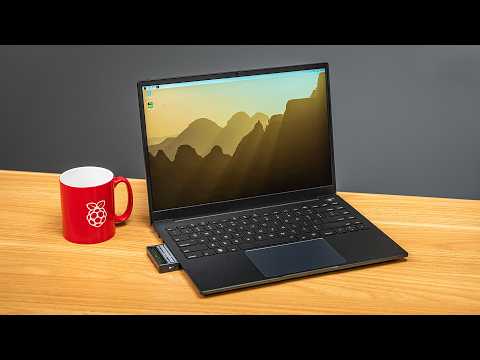
The Argon 40 OneUp features a premium aluminum chassis that feels sturdy and durable, making sure the laptop can withstand regular use. Its 14-inch IPS LCD display delivers a resolution of 1920×1200 and a brightness level of 250 nits. While this is sufficient for indoor tasks, it falls short for outdoor use or environments with bright lighting. The keyboard is comfortable for extended typing sessions, and the speakers are adequate for basic multimedia tasks, though they lack the richness found in higher-end laptops.
Connectivity is another strong point of the OneUp. It includes USB-A, USB-C, HDMI, and a microSD card slot, offering compatibility with a wide range of peripherals. The 55Wh battery provides an estimated 6-8 hours of usage, which is reasonable for lightweight tasks. However, the absence of a proper sleep mode undermines its portability, as users must fully power down the device to conserve battery life. This oversight diminishes its practicality for those who need a reliable laptop on the go.
Argon ONE UP CM5 Raspberry Pi Laptop Review
Check out more relevant guides from our extensive collection on Raspberry Pi 5 that you might find useful.
Software Limitations: Falling Short of Expectations
While the hardware is well-designed, the software experience leaves much to be desired. The OneUp runs on Raspberry Pi OS, which lacks several essential features expected in a modern laptop. For instance, the absence of sleep mode, advanced battery management, and customizable trackpad settings makes the device feel incomplete. These omissions are particularly noticeable for users accustomed to polished operating systems like Windows, macOS, or even mainstream Linux distributions.
Argon 40’s limited documentation and support further exacerbate the software challenges. Users often rely on community forums or Kickstarter updates for troubleshooting, which can be time-consuming and frustrating. This lack of robust support detracts from the overall user experience, making the OneUp less appealing to those who value convenience and reliability.
Performance and Usability: A Niche Device
The OneUp is best suited for lightweight tasks such as web browsing, coding, or running Linux-based projects. Its integration with the Raspberry Pi ecosystem makes it an excellent choice for educational purposes, particularly in teaching programming or electronics. The modularity also appeals to hobbyists who enjoy experimenting with hardware and software configurations.
However, the laptop struggles with demanding applications, such as video editing, gaming, or multitasking with resource-intensive software. When compared to similarly priced alternatives, the OneUp’s performance limitations become evident, making it less suitable for general-purpose users. This restricts its appeal to a niche audience of enthusiasts and educators rather than the broader consumer market.
Cost Concerns: High Price, Limited Value
The OneUp’s estimated total cost of approximately $600, covering the laptop shell, CM5 module, SSD, and power supply, positions it as a premium product. For the same price, you could purchase a more powerful used Windows laptop, Chromebook, or even an entry-level MacBook. These alternatives offer better performance, more polished software experiences, and greater versatility for everyday use.
While the modular design is innovative and aligns with sustainability goals, it does not deliver a significant performance advantage over traditional laptops. The high cost, combined with its limited functionality, makes the OneUp a difficult choice for most users, particularly when more capable options are readily available at similar price points.
Market Timing: Supply Chain Woes
The OneUp’s release coincides with a challenging period for the tech industry. Ongoing supply chain disruptions have driven up the cost of Raspberry Pi components, including the CM5, making them both more expensive and harder to source. These factors further erode the laptop’s value proposition, as the increased costs are passed on to consumers.
In a market crowded with affordable and capable alternatives, the OneUp struggles to justify its price and position. The timing of its launch only compounds these challenges, making it less competitive in an already saturated market.
Potential Use Cases: A Device for Enthusiasts
Despite its shortcomings, the OneUp has potential in specific scenarios. If you already own a CM5 or require a modular Linux laptop for a particular project, this device could meet your needs. Its lightweight design and open source hardware appeal to hobbyists and educators who prioritize modularity and experimentation over raw performance.
However, for general users, the compromises in cost, performance, and software support outweigh its benefits. The OneUp is unlikely to replace traditional laptops for everyday use, but it may find a niche audience among those who value its unique features and are willing to work within its limitations.
Media Credit: Jeff Geerling
Filed Under: Laptops, Technology News, Top News
Latest Geeky Gadgets Deals
Disclosure: Some of our articles include affiliate links. If you buy something through one of these links, Geeky Gadgets may earn an affiliate commission. Learn about our Disclosure Policy.
Credit: Source link