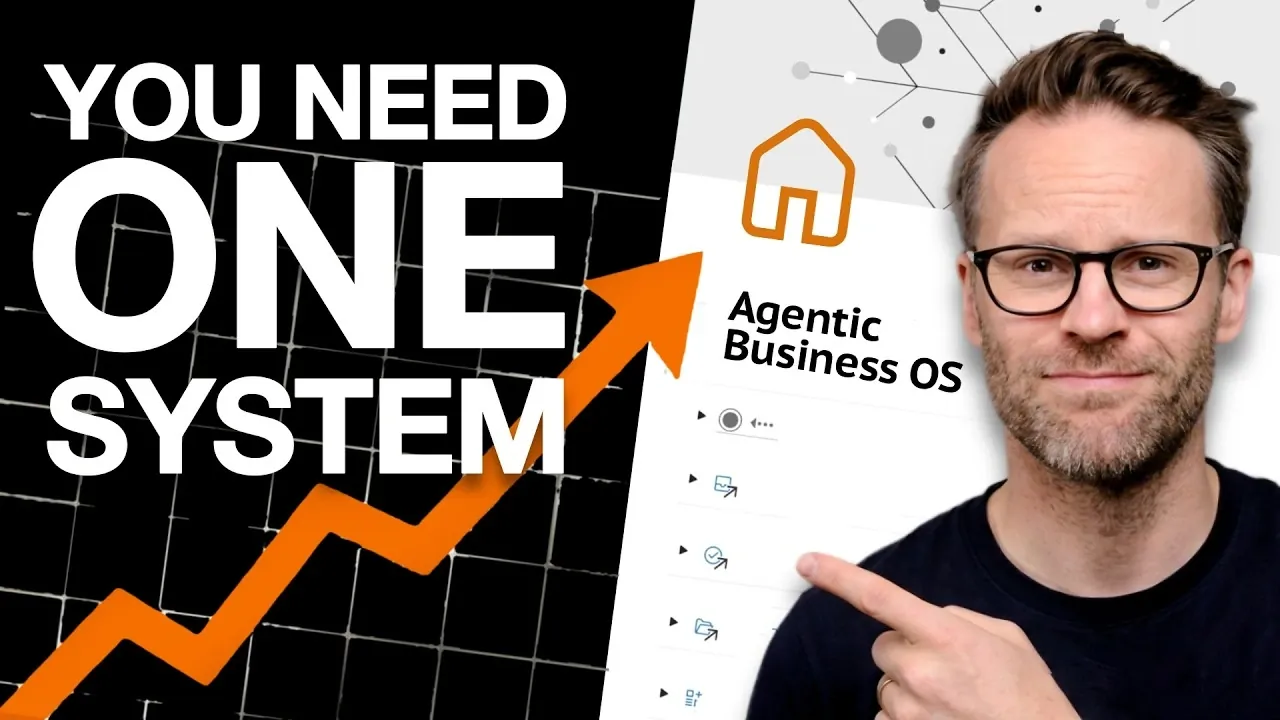
Simon Pittman explores why adding more AI solutions often fails to deliver the scalability businesses seek. Instead of streamlining operations, an overload of disconnected systems can lead to inefficiencies like information silos and redundant workflows. Pittman introduces the concept of the “agentic business” model, which focuses on using context-driven AI agents and centralized systems to create sustainable growth without increasing complexity.
This breakdown provide more insights into the core principles of the agentic business approach, including how organized information, tailored workflows, and automation can reduce operational strain. Readers will learn actionable steps to consolidate data, activate AI agents for independent task execution, and design scalable systems that adapt to their unique needs. By implementing these strategies, businesses can achieve a more cohesive and efficient operation, allowing teams to focus on high-value activities that drive growth.
Agentic Business for Scalability
TL;DR Key Takeaways :
- Overloading on AI tools often leads to inefficiencies, fragmented workflows, and information silos, hindering scalability instead of enhancing it.
- The “agentic business” approach focuses on using context-driven AI agents, automation, and centralized systems to streamline operations and enable sustainable growth.
- Key components of an agentic business include organized information, contextual AI agents trained for specific workflows, and scalable systems designed to grow with the business.
- Implementing this model involves consolidating data, designing tailored workflows, activating AI agents, and automating repetitive tasks to improve efficiency and free up resources for strategic activities.
- Platforms like Notion are ideal for this approach, offering integration with AI agents and tools to create a cohesive, scalable, and efficient operational system tailored to business needs.
The Hidden Cost of Tool Overload
While it may seem logical to adopt more AI tools to enhance productivity, this approach can inadvertently create more problems than it solves. Without a unified system, these tools often operate in isolation, resulting in information silos that make accessing critical data cumbersome. This fragmentation disrupts workflows, increases the likelihood of repetitive tasks, and overwhelms teams with unnecessary complexity. Instead of streamlining operations, tool overload frequently leads to a patchwork of disconnected solutions that fail to deliver meaningful results. The outcome is a business struggling to scale effectively, weighed down by inefficiencies and a lack of cohesion.
What Is the Agentic Business Approach?
The agentic business model offers a forward-thinking alternative to the pitfalls of tool overload. At its core, this approach emphasizes creating systems where AI agents operate autonomously, minimizing the need for constant manual intervention. By prioritizing organization, automation, and scalability, the agentic business model enables teams to shift their focus from routine administrative tasks to strategic and creative endeavors. The ultimate objective is to build a business that grows seamlessly, without requiring a proportional increase in team size or workload.
Key Elements of an Agentic Business
Establishing an agentic business involves focusing on three foundational components that work together to drive efficiency and scalability:
- Organized Information: Centralized and connected data storage ensures that your team can access the information they need without delays. This eliminates inefficiencies caused by data silos and fragmented systems.
- Contextual AI Agents: These AI tools are trained to understand your specific workflows and business requirements. By executing tasks independently and accurately, they reduce the need for constant oversight.
- Scalable Systems: Systems designed to grow alongside your business ensure that increased demand does not lead to bottlenecks or operational strain.
More New AI Tools Won’t Scale Your Business. This Will

Uncover more insights about AI Agents in previous articles we have written.
How to Implement the Agentic Business Model
Transitioning to an agentic business requires a deliberate and structured approach. The following four steps provide a roadmap for implementation:
- Consolidate Information: Begin by centralizing all business data into a single, unified platform. Tools like Notion can serve as a central repository, improving accessibility and eliminating the inefficiencies caused by scattered data.
- Design Tailored Workflows: Develop workflows that align with your business’s unique goals and processes. These workflows should be intuitive, adaptable, and capable of evolving as your business grows.
- Activate AI Agents: Train AI tools to understand the specific context of your business operations. This ensures they can perform tasks autonomously and deliver consistent, reliable results.
- Automate Operations: Use automation to handle repetitive tasks, freeing your team to focus on high-value activities such as strategy, innovation, and customer engagement.
Why Notion Is a Strong Fit
Notion emerges as a versatile and effective platform for implementing the agentic business model. Its ability to integrate AI agents with essential tools like emails, calendars, and documents creates a seamless and centralized workflow. Notion’s customization options allow businesses to train AI tools to align with their specific needs, making sure that automation and task execution are tailored to their unique requirements. By automating routine processes and allowing independent task management, Notion helps businesses achieve a streamlined and efficient operation, making it an ideal choice for organizations aiming to scale sustainably.
The Results You Can Expect
Adopting the agentic business approach can fundamentally transform your organization. By reducing administrative burdens and improving operational efficiency, this model allows your team to focus on strategic planning, creative problem-solving, and innovation. Instead of managing an ever-growing list of disconnected tools, you’ll have a cohesive system that supports sustainable growth. The result is a business that not only operates more efficiently but also positions itself for long-term success by prioritizing what truly matters.
A Smarter Path to Scalability
Scaling your business effectively is not about accumulating more AI tools, it’s about using them strategically. By consolidating information, designing tailored workflows, and activating context-driven AI agents, you can create a streamlined system that grows alongside your business. This approach enhances efficiency, reduces operational complexity, and frees up valuable time for innovation and strategy. The agentic business model provides a clear and practical path to sustainable scalability, empowering your team to focus on driving meaningful growth and achieving long-term success.
Media Credit: Simon Pittman | Systems Made Better
Filed Under: AI, Guides
Disclosure: Some of our articles include affiliate links. If you buy something through one of these links, Geeky Gadgets may earn an affiliate commission. Learn about our Disclosure Policy.
Credit: Source link