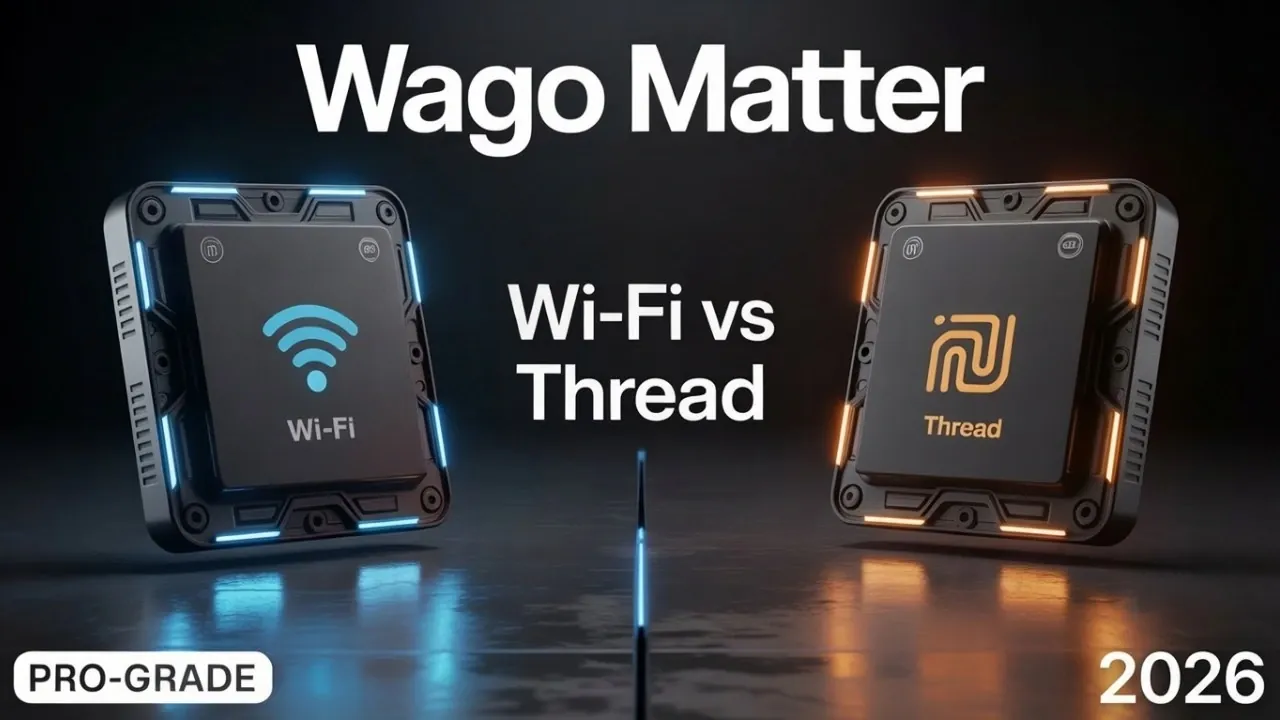
What if your smart home devices didn’t just work, but worked smarter, faster, and more reliably than ever before? Below, A Smarter House breaks down how Wago, a powerhouse in industrial electrical engineering, is shaking up the smart home market with its new dual-protocol lineup. By embracing both Wi-Fi and Thread connectivity, Wago is offering something rare: unparalleled flexibility for users who want to customize their smart home setup without being locked into a single ecosystem. This bold move isn’t just about convenience, it’s a direct challenge to the status quo, raising the bar for what we should expect from smart home technology.
In this guide, we’ll explore what makes Wago’s approach so compelling, from its Matter-certified devices to its industrial-grade reliability tailored for residential use. Whether you’re a DIY enthusiast, a professional electrician, or simply someone looking to future-proof your home, Wago’s innovative strategy has something to offer. But with critical details like pricing and availability still under wraps, how does this new player stack up against established competitors? Stick around to uncover the potential fantastic options, and the unanswered questions, that could redefine the smart home landscape.
Wago’s Dual-Protocol Strategy
TL;DR Key Takeaways :
- Wago has entered the smart home market with eight Matter-certified devices, offering both Wi-Fi and Thread versions to provide flexibility and reliability through a dual-protocol strategy.
- The product lineup includes Home Relay 6A, Home Relay 16A, Home Dimmer, and Home Blind Controller, all designed for specific residential needs with industrial-grade reliability.
- Devices are Matter-certified, making sure seamless interoperability across various smart home ecosystems, making them versatile and future-proof solutions.
- Key features include UL and CE certifications, hardwired power for consistent performance, and flexible mounting options, catering to both professional and DIY installations.
- Challenges include undisclosed pricing, limited distribution channels, and potential higher costs compared to budget-friendly competitors, which may impact market adoption.
Why Dual-Protocol Matters
Wago’s decision to support both Wi-Fi and Thread protocols reflects a deep understanding of the varied requirements of smart home users. Each protocol offers distinct advantages, making the dual-protocol approach a practical solution for diverse use cases:
- Wi-Fi: Provides a straightforward connection to your router, eliminating the need for additional hardware. This makes it an excellent choice for simple installations where ease of setup is a priority.
- Thread: Enables advanced mesh networking, offering self-healing capabilities and enhanced reliability for larger or more complex smart home setups. However, it requires a border router, such as a Matter-enabled hub, which can introduce additional complexity for some users.
By offering both options, Wago ensures you can tailor your smart home setup to your current infrastructure while maintaining the flexibility to adapt to future needs. Whether you value simplicity or scalability, this dual-protocol strategy provides a solution that caters to both.
Exploring Wago’s Product Lineup
Wago’s smart home lineup features four core devices, each designed to address specific residential needs while using the company’s industrial expertise:
- Home Relay 6A: Ideal for controlling LED lighting and other low-power circuits, this device ensures precise and energy-efficient switching, making it a practical choice for modern lighting solutions.
- Home Relay 16A: Built to handle high-power devices such as heaters and appliances, this relay offers safe and reliable operation under heavy loads, catering to demanding residential applications.
- Home Dimmer: Designed for smooth light dimming, this device eliminates common issues like flickering and buzzing, delivering a premium lighting experience for your home.
- Home Blind Controller: Automates motorized blinds with precise and safe operation, enhancing natural light management and energy efficiency in your living spaces.
All devices are Matter-certified, making sure seamless interoperability across various smart home ecosystems. This certification allows you to integrate Wago’s devices into your existing setup, regardless of the brands or platforms you currently use, providing a versatile and future-proof solution.
Wago’s New Smart Home Line Changes Everything

Here is a selection of other guides from our extensive library of content you may find of interest on building smart homes.
Who Will Benefit from Wago’s Devices?
Wago’s smart home products are designed to appeal to a broad spectrum of users, each with unique needs and priorities:
- Professional Electricians: The devices meet stringent safety and reliability standards, making them a dependable choice for professional installations in both residential and commercial settings.
- DIY Enthusiasts: While pricing details remain unknown, the industrial-grade build quality may attract homeowners seeking durable and long-lasting solutions for their smart home projects.
- Safety-Conscious Homeowners: With UL and CE certifications, these devices offer peace of mind for those who prioritize compliance with rigorous safety standards and reliable performance.
However, the requirement for hardwired power and neutral wires may limit their appeal for retrofitting older homes, where such wiring configurations are not always available. This could pose a challenge for homeowners seeking to upgrade existing systems without extensive rewiring.
Industrial-Grade Features Tailored for Residential Use
Wago uses its extensive experience in industrial applications to deliver smart home devices with robust and reliable features. These include:
- UL and CE Certifications: These certifications ensure compliance with strict safety and performance standards, making the devices suitable for both residential and professional use.
- Hardwired Power: Unlike battery-powered alternatives, Wago’s devices rely on direct electrical connections, offering consistent performance but often requiring professional installation for optimal results.
- Flexible Mounting Options: With both DIN rail and puck-style form factors, the devices cater to a variety of installation preferences, accommodating both professional setups and DIY projects.
These features underscore Wago’s commitment to bridging the gap between industrial-grade reliability and residential smart home innovation, offering solutions that are both durable and versatile.
Challenges in a Competitive Market
Despite its promising features, Wago’s smart home line faces significant challenges in a highly competitive market. The lack of disclosed pricing, detailed specifications, and availability makes it difficult to assess the company’s positioning against established competitors. Furthermore, the dual-protocol design and industrial-grade build quality suggest that Wago’s devices may come at a higher cost compared to budget-friendly alternatives like Shelly and Sonoff. This could limit their appeal to cost-conscious consumers who prioritize affordability over premium features.
Additionally, Wago’s limited consumer distribution channels may hinder its ability to reach DIY users, a key demographic in the smart home market. To succeed, the company will need to address these challenges by offering competitive pricing, clear product information, and accessible distribution options.
Implications for the Smart Home Industry
Wago’s entry into the smart home market represents a significant development, signaling a shift toward professional-grade infrastructure in residential applications. By offering both Wi-Fi and Thread versions, the company highlights the coexistence of these technologies for different use cases, emphasizing the importance of interoperability and flexibility in modern smart home systems.
If Wago’s devices gain traction, they could set a new standard for quality and reliability in the industry, encouraging other manufacturers to prioritize robust design and seamless integration. However, the company’s ability to balance its industrial-grade reliability with competitive pricing and accessibility will ultimately determine its impact on the smart home landscape.
Media Credit: A Smarter House
Filed Under: Guides, Hardware
Disclosure: Some of our articles include affiliate links. If you buy something through one of these links, Geeky Gadgets may earn an affiliate commission. Learn about our Disclosure Policy.
Credit: Source link