
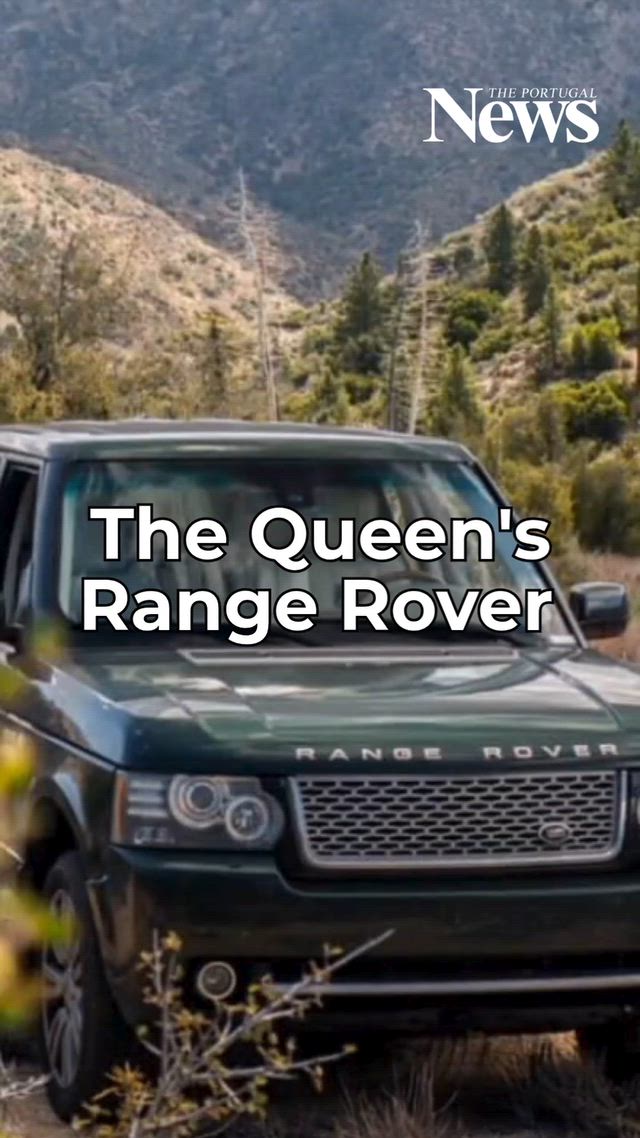
I’m not talking about an ancient one that came with agricultural levels of refinement. You know, the ones with steering wheels the size of dinner plates and an interior that distinctly smelled of wet dog.
I’m talking about the Range Rover L322, the great, square-shouldered, third-generation machine that arrived way back in 2002, easily establishing itself as one of the most accomplished luxury cars that Britain ever produced. It was also, rather fittingly, a car favoured by Queen Elizabeth II. And there’s a reason for that.
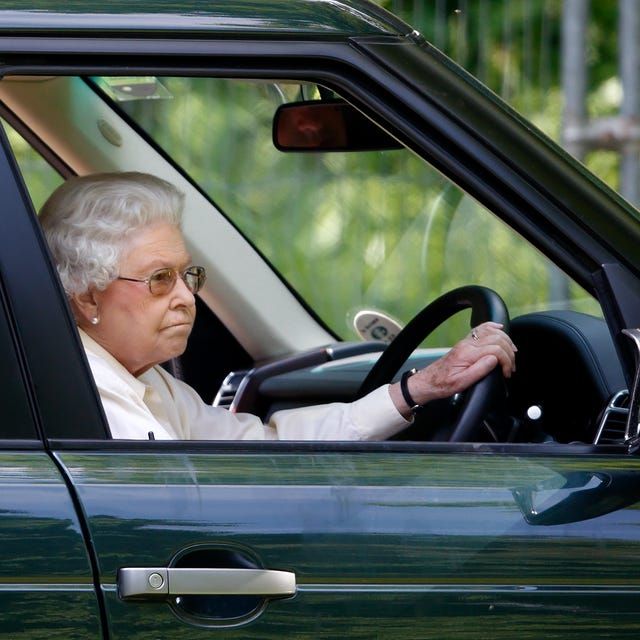
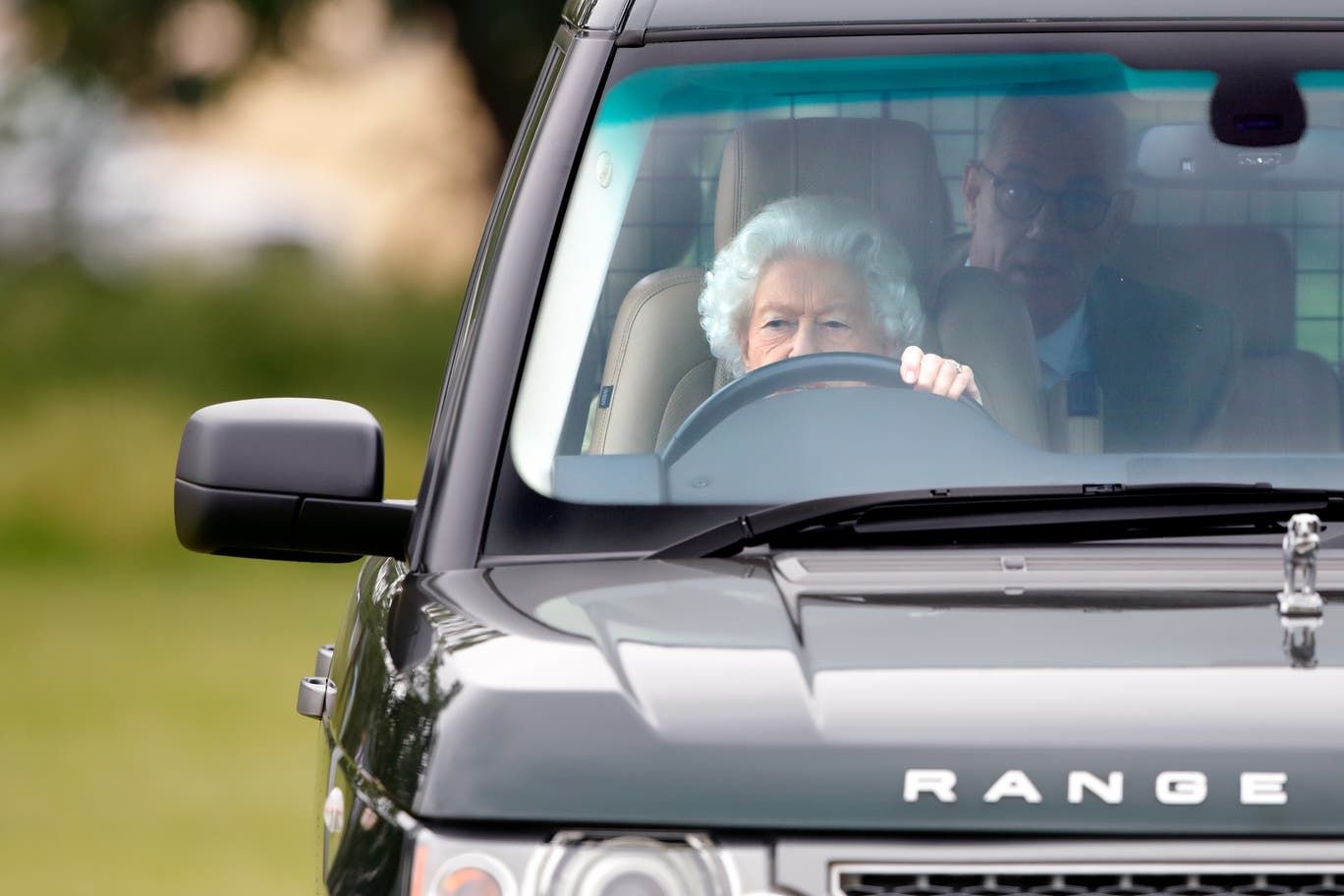
You see, the Queen understood the Range Rover in a manner that many latter-day luxury-SUV buyers perhaps don’t. For Her Majesty, it was never about being seen driving around in something expensive. As Queen of England, she hardly felt the need to prove anything, did she? I’m rather more inclined to believe that it was more about having a vehicle that could genuinely do the job. From crossing a muddy field, to climbing a farm track, towing a horsebox or even ferrying Royal chattels from Balmoral to Buckingham Palace; the Queen knew a good car when she saw one.
Watch the full video here 👇👇👇
Sophisticated design
The Royal Family’s association with Land Rover goes back a while. But the L322 represented something particularly interesting. Here we have a Range Rover that was vastly more sophisticated than its predecessors, whilst retaining the fundamental qualities that made the original so successful. It was luxurious without being vulgar and imposing without looking ridiculous.
The L322 was initially designed whilst the company was under BMW stewardship (Project L30). This was all underway before BMW sold the Land Rover brand to Ford in 2000. The resulting car, launched in 2002, had BMW engines and considerable BMW engineering influence, which explains rather a lot. Early cars had a 4.4-litre BMW V8 petrol engine or BMW’s 3.0-litre straight-six diesel. Later, under Ford, came Jaguar-derived V8S (Jaguar was also then owned by Ford). The Jaguar V8 line-up included supercharged petrol variants and even a silken Ford/Jaguar diesel V8. With the introduction of an 8-speed automatic transmission, the L322 evolved considerably.
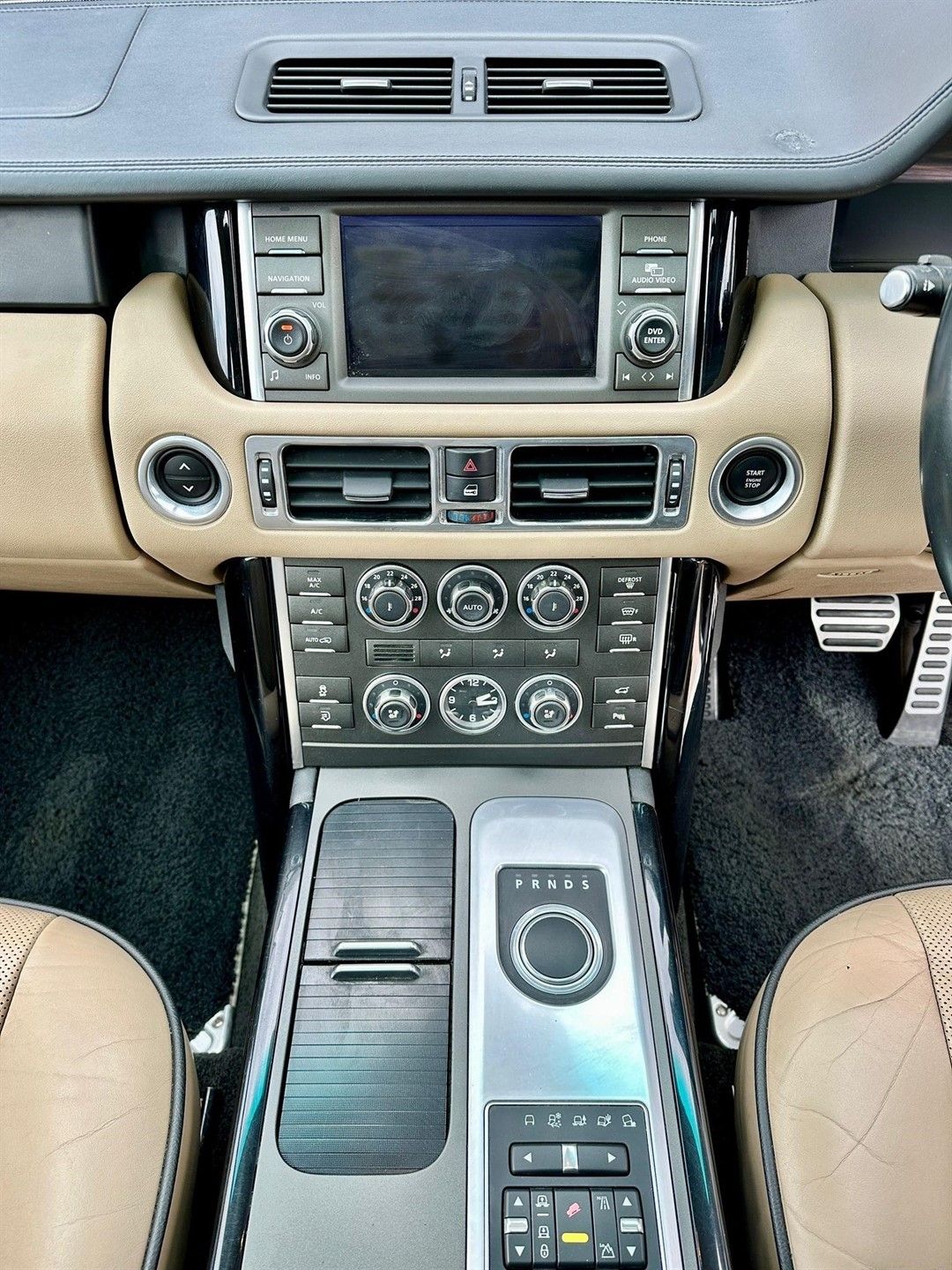
This was a car that didn’t need an IT department to help people work out how things actually worked. Despite the L322 arriving at a time when cars were beginning to become computers on wheels, this car escaped the ludicrous excesses of automotive modernity. Whilst the L322 wasn’t exactly analogue in the traditional sense, it did come with things like electronic air suspension, sophisticated four-wheel drive systems, electronic traction control, a modern navigation system as well as some pretty advanced infotainment trinkets. But, compared with today’s offerings, it’s still a wonderfully straightforward vehicle. No gigantic tablets dominate the dashboard, and no infuriating submenus hide things like the heated seat functions. It still feels like a proper car rather than a PlayStation.
Another great appeal of the L322 is that it was never a compromise. A BMW X5 is excellent, a Porsche Cayenne can be astonishingly quick, a Mercedes-Benz GLE is very capable, but the Range Rover always had a slightly different brief. It was designed to be extraordinarily good at practically everything. That’s the magic.
Engineering cultures
The L322 isn’t merely a means of transportation. It has character. You can hear it in the V8, feel it in the commanding driving position and see it in that extraordinary upright silhouette. But was this the last of the proper Range Rovers?
The L405 that followed was technically magnificent. It was lighter, more sophisticated, considerably more efficient, and it was absolutely packed with technology. As for the latest Range Rover? Well, that’s just an astonishing luxury product. Nuff-said. But the L322 seems to occupy a bit of a sweet spot. It is modern enough to be genuinely luxurious, yet old enough to retain some semblance of mechanical simplicity.
The L322 represented a fascinating meeting of engineering cultures. Conceived under BMW, launched during the transition to Ford ownership and subsequently received Jaguar-derived petrol engines and Ford/Jaguar diesel technology. It was, in effect, a rolling history lesson in the British motor industry’s extraordinary ability to survive being owned by everybody except itself.
Of course, I’m careful not to over-romanticise the L322. It IS a Land Rover, after all. So it did have its weaknesses. A neglected L322 can consume money with the gusto of an over-zealous lottery winner. The air suspension will almost certainly need attention and electronics can certainly misbehave. It’s a heavy car, so it’ll be heavy on things like bushes, brakes and tyres. Compressors, gearboxes and other components can become an expensive hobby too. Autocar’s used-car guide is admirably blunt about the need for a comprehensive service history and a proper inspection before anyone should ever consider buying one of these things. The L322 was a car built at a time when manufacturers were still prepared to throw an extraordinary amount of engineering at a vehicle. The result was heavy, complicated and potentially very expensive to maintain. However, well-maintained examples can still be superb propositions, and this is why values are actually rising.
Dignified transport
For years, the L322 suffered from the classic fate of expensive used luxury cars.
Well-heeled people bought them new and routinely serviced them. After that, they became cheap hacks that tended to get clunky from neglect and poor maintenance. Buyers knew that these cars could easily become greedy money pits. After all, these things originally cost more than an average suburban house, so the depreciation was brutal.
But depreciation eventually stops. Once the bottom of the market has been reached, enthusiasts start looking upwards. They begin looking for exceptional cars. Low-mileage, original examples with unmolested interiors. Maybe some rare colours from Land Rover’s bespoke “Autobiography” stables. Cars with complete histories and no suspicious gaps in the service book made the grade.
I reckon that the L322 has one enormous advantage over many potential future classics. It still looks expensive. Even now. Park a tired one outside a supermarket, and it still looks like somebody important has arrived. Park a pristine one outside a luxury hotel and nobody wonders whether it cost £8,000 or £80,000. That’s quite a trick. Perhaps that is why the Queen’s affection for the Range Rover makes such sense. She obviously wasn’t interested in automotive fashion. She needed something dignified. Something that could cross the grounds of a royal estate in appalling weather and then turn up somewhere else looking perfectly respectable.
The L322 still does precisely that.
So, the L322 wasn’t simply another luxury SUV. I reckon it was one of the last great Range Rovers from an era when a car could be extraordinarily sophisticated without feeling like an iPad with leather seats. It was a Range Rover, not a lifestyle accessory or a rolling entertainment system. Perhaps this is why, years after production ended, the L322 is finally getting the recognition it deserves. The Queen knew what she liked, the rest of us are merely catching up.