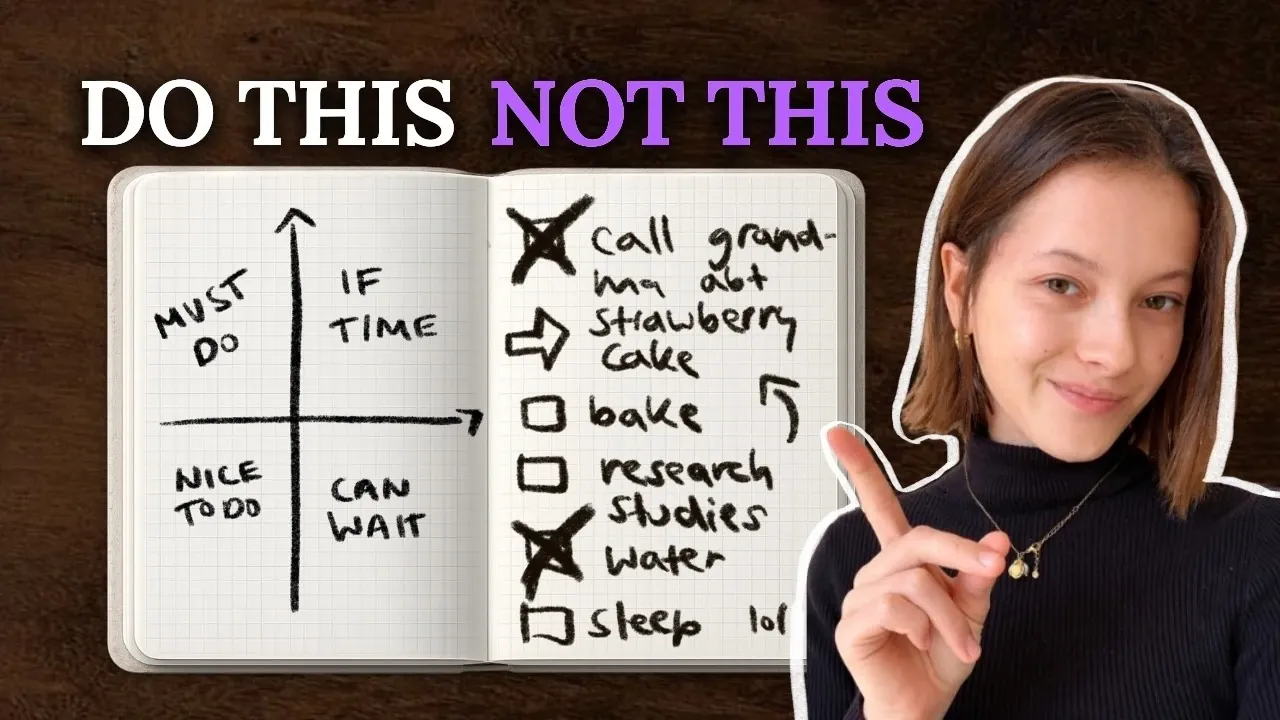
Procrastination can feel like an inevitable hurdle, but janapasabi has developed a structured approach to address it. At the core of this system is the Zeigarnik Effect, a psychological concept that explains how unfinished tasks create mental tension. By starting with a “brain dump”—writing down every task or idea occupying your mind, you can reduce mental clutter and establish a clear path forward. This process not only eases overwhelm but also creates a foundation for prioritizing what matters most.
Learn how to organize tasks using the Eisenhower Matrix, a method for distinguishing between urgency and importance. You’ll also explore how implementing “hard mode” can reduce distractions and how integrating rewards can make consistent progress more achievable. These strategies provide practical ways to address procrastination and maintain focus.
Procrastination Elimination System
TL;DR Key Takeaways :
- Clear mental clutter using the Zeigarnik Effect by performing a “brain dump” to offload tasks and improve focus.
- Prioritize tasks effectively with the Eisenhower Matrix, focusing on urgent and important tasks to maximize productivity.
- Overcome task avoidance by implementing “hard mode,” isolating critical tasks and eliminating distractions to enforce focus.
- Incorporate a reward system to make task completion more enjoyable and reinforce positive behavior for sustained productivity.
- The system uses psychological principles like the Zeigarnik Effect, reward-based motivation and focused prioritization to combat procrastination and enhance workflow efficiency.
1: Clear Mental Clutter Using the Zeigarnik Effect
Unfinished tasks can weigh heavily on your mind, consuming mental energy and reducing your ability to focus. This phenomenon, known as the Zeigarnik Effect, highlights how unresolved tasks create a sense of mental tension. To counter this, start by performing a “brain dump.”
Write down every task, idea, or responsibility that occupies your thoughts. Whether you prefer using a notebook or a digital tool, this process allows you to offload mental clutter and gain clarity. By externalizing your thoughts, you create a clear starting point for action. This simple yet effective step frees up your mental resources, making it easier to focus on what truly matters and organize your workflow efficiently.
2: Prioritize Tasks with the Eisenhower Matrix
Not all tasks carry the same weight and failing to prioritize can lead to overwhelm and wasted effort. The Eisenhower Matrix is a powerful tool that helps you categorize tasks based on their urgency and importance. This method divides tasks into four distinct quadrants:
- Must Do: Tasks that are both urgent and important, requiring immediate attention.
- Nice to Do: Important but not urgent tasks that need planning to prevent them from becoming emergencies.
- If Time: Urgent but less important tasks that can be completed quickly or delegated.
- Can Wait: Tasks that are neither urgent nor important and can often be postponed or eliminated.
Focus your energy on the “Must Do” and “Nice to Do” categories, as these represent the most meaningful and impactful work. By systematically addressing high-priority tasks, you avoid being sidetracked by low-value activities and ensure your time is spent productively.
System to Reduce Mental Clutter & Finish Key Tasks

Below are more guides on productivity from our extensive range of articles.
Step 3: Enforce Focus to Overcome Task Avoidance
Task avoidance is a common behavior where less important, easier tasks are prioritized to gain instant gratification. This habit can derail progress on critical work. To overcome this, implement a strategy called “hard mode.”
“Hard mode” involves isolating the most critical task and hiding all others from view. By removing the temptation to switch to less demanding tasks, you force yourself to concentrate fully on what matters most. This focused approach not only helps you tackle high-priority work but also builds momentum, making it easier to sustain productivity over time.
Step 4: Use Rewards to Reinforce Positive Behavior
One of the reasons tasks can feel daunting is the lack of immediate gratification after completing them. To address this, integrate a reward system into your workflow.
Assign small, tangible rewards to each completed task. These rewards can be as simple as a short break, a favorite snack, or even a symbolic token like a “strawberry.” By associating task completion with positive reinforcement, you make the process more enjoyable and engaging. Over time, this habit creates a cycle of consistent productivity, as your brain begins to associate effort with reward.
The Psychology Behind the System
This system is built on well-established psychological principles that address the root causes of procrastination.
- The Zeigarnik Effect explains how offloading tasks from your mind reduces mental tension and improves focus.
- Reward-based motivation taps into the brain’s natural desire for gratification, making tasks more appealing and less intimidating.
- The Eisenhower Matrix ensures your efforts are directed toward high-priority tasks, preventing wasted energy on trivial activities.
- “Hard mode” enforces focus by eliminating distractions, allowing you to tackle critical tasks with greater efficiency.
By combining these elements, the system creates a comprehensive framework for overcoming procrastination and enhancing productivity. Each component works together to address different aspects of the procrastination cycle, making sure a balanced and effective approach.
Key Takeaways
This system provides a structured method to combat procrastination by addressing its underlying causes. Clearing mental clutter through a brain dump creates clarity and focus, while the Eisenhower Matrix ensures your energy is directed toward meaningful tasks. Enforcing focus with “hard mode” eliminates distractions and incorporating rewards makes task completion more satisfying and enjoyable.
By adopting this approach, you can transform your work habits, reduce stress and achieve your goals more effectively. Procrastination no longer needs to be an obstacle; with the right strategies in place, you can take control of your time and productivity.
Media Credit: janapasabi
Filed Under: Guides
Disclosure: Some of our articles include affiliate links. If you buy something through one of these links, Geeky Gadgets may earn an affiliate commission. Learn about our Disclosure Policy.
Credit: Source link