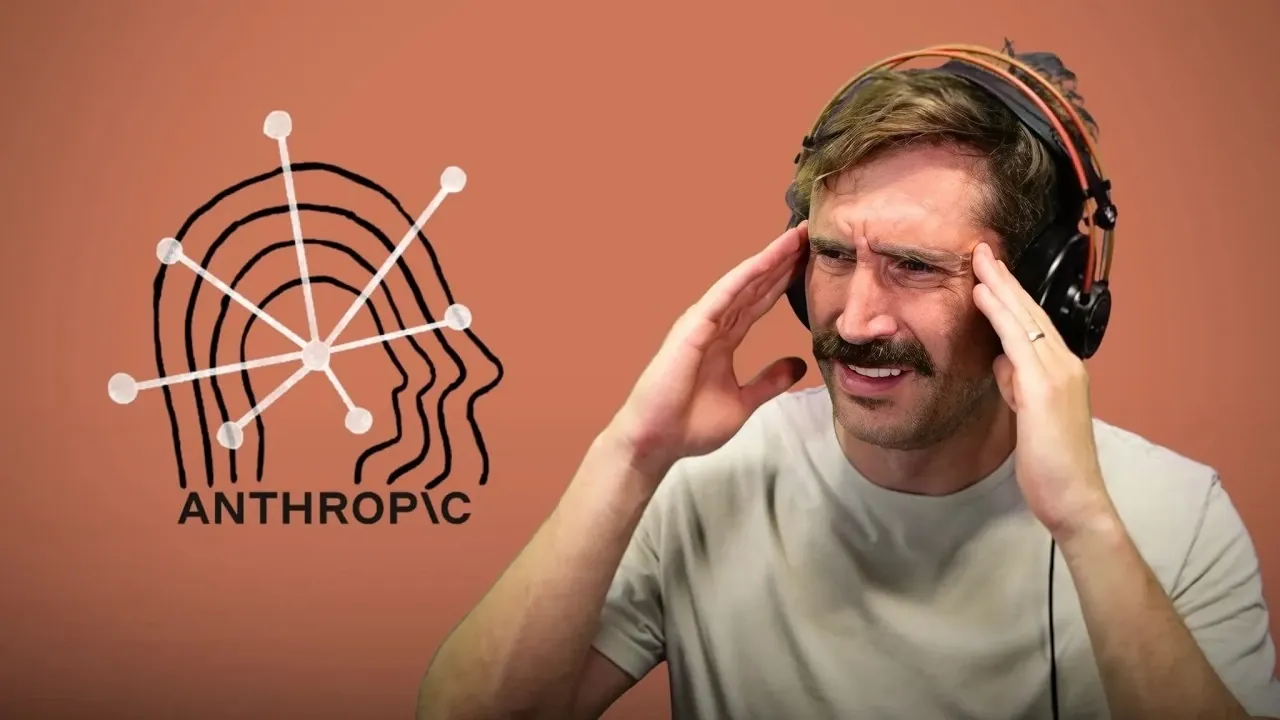
What happens when a company decides to tighten its grip on how users interact with its platform? That’s the question at the heart of a recent shift by Anthropic, the AI company behind Claude Code, which has sparked heated discussion across the developer community. The PrimeTime walks through how Anthropic’s new policy restricts subscription-based tokens to its own ecosystem, cutting off third-party integrations that many developers relied on. This move has left users scrambling to adapt, with some calling it a necessary step for platform stability and others labeling it a blow to innovation. The stakes are high, and the reaction has been anything but quiet, forums like GitHub and Reddit are buzzing with frustration, speculation, and calls for change.
In this breakdown, we’ll explore the ripple effects of Anthropic’s decision, from the financial strain it places on developers to the broader implications for the future of AI platforms. You’ll gain insight into why this policy shift has struck such a nerve, how it ties into the growing debate between proprietary systems and open source alternatives, and what it means for the balance of power in the AI industry. Whether you’re a developer navigating these changes or simply curious about the evolving landscape of artificial intelligence, this guide will unpack the controversy and its potential to reshape the industry. The question remains: will this move strengthen Anthropic’s ecosystem or drive users toward more adaptable, open solutions?
Anthropic’s Token Policy Shift
TL;DR Key Takeaways :
- Anthropic has restricted subscription-based tokens for Claude Code to its proprietary ecosystem, prohibiting integration with third-party tools and raising concerns about flexibility and costs.
- The policy change has disrupted developer workflows, increased API access costs, and sparked widespread criticism for prioritizing corporate control over developer autonomy.
- Developers have expressed frustration over the lack of prior notice and are exploring open source alternatives that offer greater flexibility and cost-efficiency.
- Anthropic justifies the decision by citing technical challenges, system abuse, and infrastructure strain, but critics argue these issues could have been addressed with less restrictive measures.
- The shift highlights a broader industry debate between proprietary platforms and open source solutions, with significant implications for innovation, accessibility, and the future of AI development.
Key Changes in the Policy
The revised policy prohibits subscription tokens tied to plans such as Pro, Pro 5x, and Pro 20x from being used with third-party tools. Previously, developers could integrate Claude Code with external platforms like Open Code and Cursor, often at a lower cost. Now, users are required to either operate exclusively within Anthropic’s ecosystem or pay higher fees for API access.
Anthropic has justified this change by referencing its long-standing terms of service (ToS). However, the abrupt enforcement of these rules has left many developers unprepared, disrupting established workflows and forcing users to seek alternative solutions. The policy has effectively redefined how developers interact with Claude Code, creating a ripple effect across the AI development landscape.
Developer Reactions: Concerns and Challenges
The developer community has reacted strongly to this policy shift, with platforms like GitHub and Reddit witnessing a surge in discussions. Developers have expressed frustration over the lack of prior notice and the operational challenges introduced by the new restrictions. Many are now exploring workarounds, but the policy has amplified dissatisfaction with proprietary AI platforms.
Key concerns raised by developers include:
- Loss of integration flexibility with third-party tools, limiting customization options.
- Increased financial burden due to higher API access costs outside the Anthropic ecosystem.
- Disruption to established workflows, causing delays in project timelines.
This backlash reflects a broader dissatisfaction with proprietary AI platforms, as many developers feel their needs are being deprioritized in favor of corporate interests. The policy has also raised questions about the balance between innovation and control in the AI industry.
Anthropic’s Change to Claude Code Plans

Advance your skills in Claude Code by reading more of our detailed content.
Anthropic’s Justifications and Developer Criticism
Anthropic has defended its decision by citing technical and operational challenges associated with third-party API usage. According to the company, these challenges include:
- Debugging difficulties caused by interactions with external tools.
- Instances of system abuse, leading to inefficiencies and resource strain.
- Unusual traffic patterns that place additional pressure on infrastructure and support teams.
While these concerns may hold validity, critics argue that the policy disproportionately impacts smaller developers who rely on third-party integrations to optimize their workflows. Many suggest that alternative solutions, such as improved monitoring systems or tiered access models, could have addressed these issues without imposing such restrictive measures. The policy, they argue, prioritizes corporate control over developer autonomy, creating unnecessary barriers for innovation.
Speculation on Anthropic’s Strategic Motives
The policy change has fueled speculation about Anthropic’s underlying motives. Critics suggest that the move is designed to consolidate its user base within its proprietary ecosystem, thereby increasing reliance on its platform and boosting revenue. Financial pressures, such as the high costs of maintaining AI infrastructure and competition from other providers, may also have influenced the decision.
However, this strategy is not without risks. By alienating developers, Anthropic risks driving users toward open source alternatives, potentially undermining its long-term market position. The decision highlights the delicate balance between maintaining control over a platform and fostering a collaborative, developer-friendly environment.
The Rise of Open source Alternatives
The timing of Anthropic’s policy shift coincides with the growing momentum of open source AI tools. Platforms like Open Code, which now features over 1 million monthly active users, offer developers greater flexibility, transparency, and cost-efficiency. These alternatives are increasingly viewed as viable options for developers seeking to avoid the constraints of proprietary systems.
At the same time, Claude Code has faced criticism for usability issues and lagging behind competitors in functionality. This combination of dissatisfaction and the rise of open source solutions may accelerate the adoption of non-proprietary platforms, further challenging companies like Anthropic. The growing popularity of open source tools underscores a shift in developer priorities, emphasizing adaptability and collaboration over centralized control.
Broader Implications for the AI Ecosystem
Anthropic’s decision reflects a broader trend within the AI industry: the tension between proprietary platforms and open source solutions. This shift raises critical questions about the future of AI development, including:
- The potential for monopolistic practices to stifle competition and innovation.
- The erosion of developer independence and the ability to customize tools to meet specific needs.
- The balance between accessibility and corporate control in shaping the future of AI ecosystems.
As companies like Anthropic tighten control over their platforms, the AI community must grapple with the trade-offs between centralized systems and open, collaborative alternatives. The outcome of this debate will have far-reaching implications for the direction of AI innovation and the accessibility of these technologies to a broader audience.
Shaping the Future of AI Development
The changes to Claude Code’s subscription token policy mark a significant shift in Anthropic’s approach to its platform. While the company cites operational challenges and system abuse as justifications, the decision has drawn widespread criticism for limiting developer flexibility and increasing costs.
As open source alternatives continue to gain traction, the debate over proprietary versus open AI solutions is likely to intensify. Developers, caught in the middle of this evolving landscape, face the challenge of navigating these changes while advocating for greater transparency, choice, and innovation in the AI ecosystem. The decisions made today will shape the future of AI development, influencing how technologies are created, shared, and used in the years to come.
Media Credit: The PrimeTime
Filed Under: AI, Technology News, Top News
Latest Geeky Gadgets Deals
Disclosure: Some of our articles include affiliate links. If you buy something through one of these links, Geeky Gadgets may earn an affiliate commission. Learn about our Disclosure Policy.
Credit: Source link