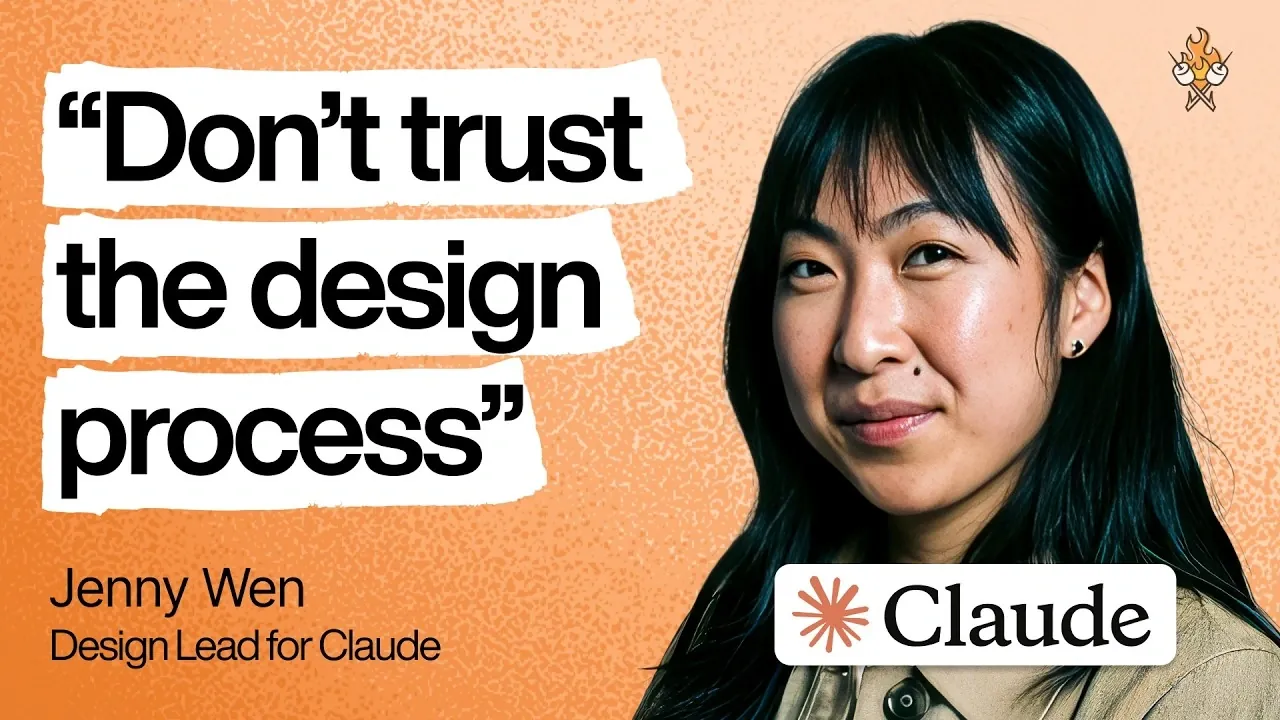
The design process is shifting away from traditional, linear workflows toward more adaptive and collaborative methods. According to Lenny’s Podcast, designers now dedicate only 30-40% of their time to creating static deliverables like polished prototypes. Instead, they are focusing on iterative work with engineers to implement ideas more quickly. This change aligns with the increasing need for shorter planning cycles, often just a few months, while maintaining quality in fast-moving development environments.
Below Jenny Wen explains how AI is influencing tasks such as ideation and prototyping, how fostering psychological safety can enhance team collaboration and how hybrid interface models are integrating tactile design with conversational AI. These insights provide a clearer understanding of the evolving responsibilities of designers and the collaborative dynamics shaping modern product teams.
The Evolution of Design
TL;DR Key Takeaways :
- The traditional design process is being replaced by dynamic, collaborative and execution-focused approaches to meet the demands of fast-paced development cycles.
- AI tools are transforming design by streamlining tasks like ideation and prototyping, allowing designers to focus on creativity and strategic decision-making.
- Team dynamics are shifting, with designers acting as facilitators who collaborate closely with engineers, emphasizing psychological safety and open communication.
- Successful design teams require a mix of strong generalists, deep specialists and fresh perspectives from early-career designers to tackle complex challenges effectively.
- The future of design lies in hybrid models combining tactile interfaces with conversational AI, balancing speed and quality while fostering innovation and adaptability.
Why the Traditional Design Process Falls Short
The conventional design process, characterized by extensive research, detailed mockups and long-term planning, is increasingly misaligned with the speed and agility required in modern product development. Designers today spend only 30-40% of their time creating polished prototypes, compared to 60-70% in previous years. Instead, their efforts are concentrated on fostering collaboration with engineers and making sure seamless execution of ideas.
This shift is primarily driven by the need for speed. Engineering teams, armed with advanced prototyping tools, can now iterate and deploy features at an unprecedented pace. As a result, designers must adapt to shorter planning cycles, often spanning just three to six months. The emphasis has shifted from perfecting static deliverables to guiding teams through iterative processes, making sure that quality and user needs remain central to the final product.
How AI Is Redefining Design
Artificial intelligence is playing a pivotal role in reshaping the design landscape. Tools like Claude Code and other AI-driven platforms are streamlining tasks such as ideation, prototyping and implementation. These technologies enable rapid iteration and significantly reduce the time spent on repetitive or manual tasks, allowing designers to focus on higher-value activities that require creativity and strategic thinking.
AI excels at generating multiple design options, simulating user interactions and predicting potential outcomes. However, it cannot replace the nuanced decision-making and prioritization that human designers bring to the table. For instance, while AI might propose several design variations or predict user behavior, it is ultimately up to the designer to evaluate these outputs, align them with project goals and ensure they meet both user needs and business objectives. This collaboration between human expertise and AI capabilities is redefining what it means to design effectively in the modern era.
The Design Process is Dead. Here’s What’s Replacing it!

Become an expert in AI design with the help of our in-depth articles and helpful guides.
Shifting Team Dynamics in Design
The evolving nature of design is also transforming team structures and dynamics. Collaboration between designers and engineers has become more integrated, with both groups sharing responsibility for execution. Designers are no longer seen as gatekeepers of the process but as facilitators who help teams align on priorities, maintain quality standards and navigate challenges.
Psychological safety has emerged as a critical factor in fostering effective collaboration. Teams that feel comfortable sharing ideas, even those that are incomplete or imperfect, are better positioned to innovate and iterate quickly. Managers play a vital role in creating this environment by encouraging open communication, setting clear expectations and fostering a sense of trust and camaraderie among team members. This shift in dynamics not only enhances productivity but also ensures that the final product reflects a diverse range of perspectives and expertise.
What to Look for in the Next Generation of Designers
As the design landscape evolves, so do the qualities and skills sought in new hires. Successful design teams often consist of a balanced mix of individuals who bring both breadth and depth to their roles. Key archetypes include:
- Strong Generalists: Designers who can adapt to various responsibilities and work across multiple domains, making sure flexibility in dynamic environments.
- Deep Specialists: Experts in specific areas, such as technical design or visual craft, who provide depth and specialized knowledge to the team.
- Craft New Grads: Early-career designers who bring fresh perspectives, enthusiasm and a willingness to learn and grow within the team.
This diverse combination of skills and perspectives ensures that teams are well-equipped to tackle complex challenges while maintaining a high standard of quality and innovation.
Balancing Speed and Quality
In today’s fast-paced development cycles, achieving a balance between speed and quality is essential. Rapid iteration is necessary to stay competitive, but it must not come at the expense of user trust or product integrity. One effective strategy is the use of “research previews,” where early versions of features are released to gather real-world feedback. This approach allows teams to make iterative improvements based on user input while maintaining high standards of quality and usability.
The Future of Interfaces: Hybrid Models
The future of user interfaces (UIs) lies in hybrid models that combine tactile interfaces with conversational AI. While chat-based tools and conversational AI currently dominate the landscape, hybrid systems offer users greater flexibility and control by using the strengths of both modalities. For example, a designer might use a tool like Figma to explore visual directions while relying on AI to suggest alternative layouts or improvements. These hybrid models not only enhance user experience but also empower designers to work more efficiently and creatively.
Making Ideas Accessible with the Legibility Framework
In this new era of design, the ability to refine and communicate “illegible” ideas, concepts that have potential but lack clarity, is becoming increasingly valuable. By identifying the core value of these ideas and presenting them in a more accessible and actionable form, designers can help teams recognize their merit and move them forward. This skill is particularly important in environments that prioritize rapid iteration and experimentation, as it enables teams to unlock the potential of innovative concepts that might otherwise be overlooked.
Redefining the Role of Design in a Changing World
The traditional design process is no longer sufficient to meet the demands of today’s fast-moving, AI-driven world. To thrive in this evolving landscape, designers must embrace adaptability, prioritize collaboration and use emerging tools to redefine their roles. By focusing on execution, short-term goals and team dynamics, designers can help shape the future of their craft while preserving the trust and quality that remain at its core. The design process is not disappearing, it is evolving into something more dynamic, collaborative and impactful.
Media Credit: Lenny’s Podcast
Filed Under: AI, Guides
Disclosure: Some of our articles include affiliate links. If you buy something through one of these links, Geeky Gadgets may earn an affiliate commission. Learn about our Disclosure Policy.
Credit: Source link