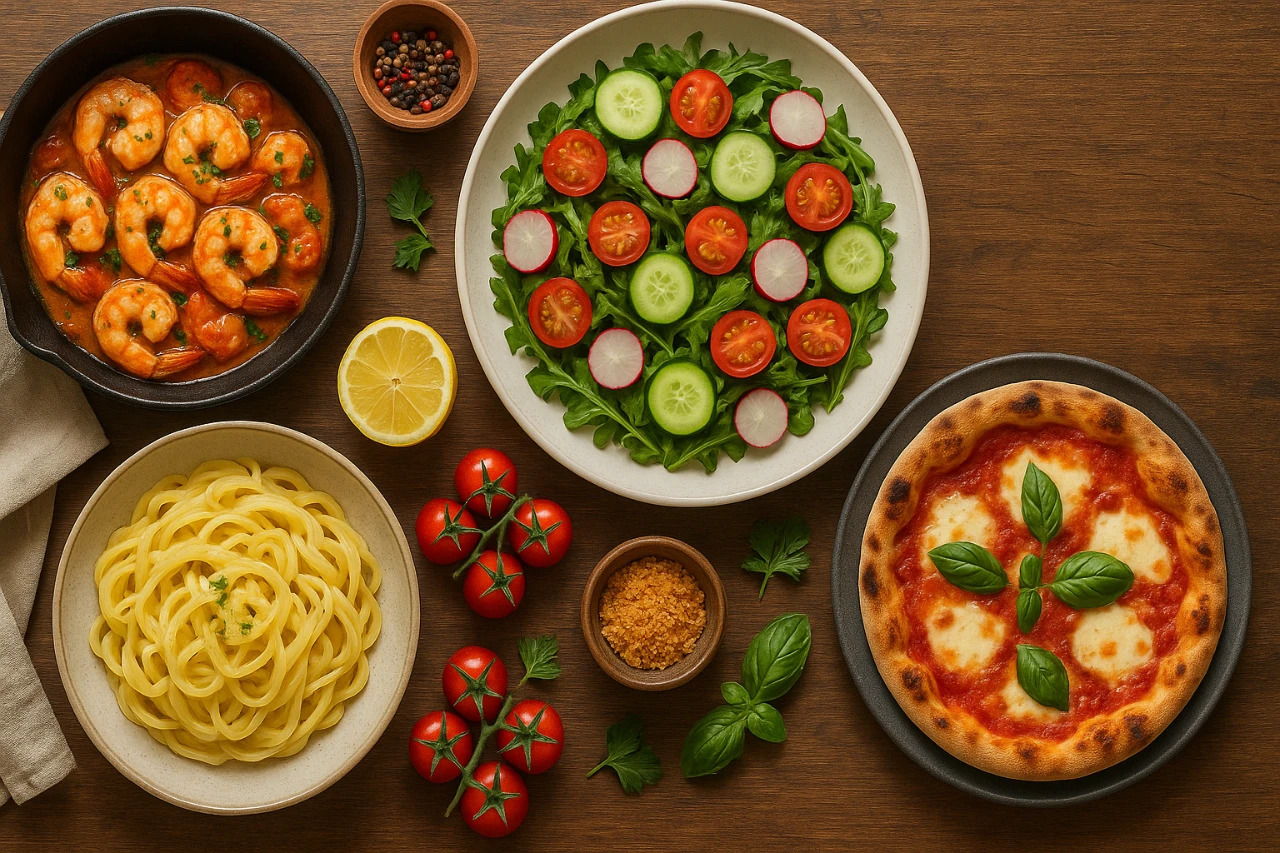
Food photography is an intricate blend of technical expertise and artistic expression. It goes beyond simply capturing a meal; it’s about telling a story that resonates with viewers. Whether you’re a professional photographer or an enthusiastic hobbyist, understanding and mastering key angles can elevate your images to a new level of visual appeal. The video below from
iPhone Photography School provides more insights into three essential angles—overhead, 3/4, and table-level—and explores how composition, lighting, and styling can help you create captivating and emotionally engaging food photographs.

Overhead Angle: Simplicity and Symmetry
The overhead angle is a cornerstone of food photography, particularly effective for dishes that are flat or intricately arranged. This perspective emphasizes shapes, textures, and negative space, resulting in clean and visually organized compositions. It’s ideal for showcasing dishes like a vibrant charcuterie board, a colorful salad, or a perfectly arranged pizza. The symmetry and vibrant hues of these dishes are best appreciated from above.
To make the most of this angle:
- Carefully align table lines, plates, and props to maintain a sense of balance and order.
- Use negative space strategically to draw the viewer’s attention to the dish itself.
- Opt for soft, diffused lighting to avoid harsh shadows and maintain a natural, inviting look.
Post-processing plays a crucial role in enhancing overhead shots. Adjusting warmth, contrast, and saturation can bring out the dish’s natural colors and textures, giving the image a polished and professional finish. This angle is particularly effective for creating a minimalist aesthetic that emphasizes the beauty of simplicity.
3/4 Angle: Bringing the Viewer to the Table
The 3/4 angle, often referred to as the diner’s perspective, mimics the natural view of someone seated at a table. This angle creates a sense of connection, making the viewer feel as though they are about to enjoy the meal themselves. It’s especially effective for showcasing the height, layers, and intricate details of dishes such as a towering burger, a layered cake, or a steaming bowl of soup.
To enhance this perspective:
- Focus on styling—add garnishes, steam, or moisture to make the food look fresh and appetizing.
- Experiment with both horizontal and vertical framing to find the most compelling composition.
- Incorporate props like utensils, napkins, or complementary side dishes to add depth and context to the scene.
For instance, a steaming bowl of soup photographed at a 3/4 angle can evoke feelings of warmth and comfort. Adding cozy props, such as a rustic napkin or a spoon, enhances the narrative and draws the viewer into the scene. This angle is versatile and works well for a variety of dishes, from casual meals to gourmet creations.
Table-Level Angle: Immersive and Story-Driven
The table-level angle offers an immersive perspective by capturing food at eye level. This approach is particularly effective for creating depth and telling a story, as it often includes the background or surrounding elements. Imagine a crusty loaf of bread with a countryside backdrop or a cup of coffee on a café table—this angle invites the viewer into the scene, making them feel like an active participant.
To maximize the impact of this angle:
- Use natural light to highlight textures and colors, such as the golden crust of bread or the creamy surface of a dessert.
- Incorporate storytelling elements, such as hands reaching for food or beverages being poured, to add a sense of action and life.
- Frame the shot to include contextual details, like a table setting, surrounding environment, or complementary dishes.
This perspective is particularly effective for creating a sense of place and atmosphere. For example, a rustic table setting with artisanal bread and fresh produce can evoke a sense of countryside charm and craftsmanship. By including these contextual details, you can create a narrative that resonates with viewers on a deeper level.
Styling and Composition: The Art of Visual Balance
Styling and composition are the foundation of great food photography. Thoughtful use of props, textures, and colors can elevate your images, but balance is key. Props should enhance the dish rather than overshadow it. For example, a sprig of rosemary can add a touch of elegance to a roasted chicken, while scattered spices can create a sense of authenticity and warmth.
Lighting is equally important. Soft, natural light is often the best choice for food photography, as it highlights the dish’s natural textures and colors. However, experimenting with artificial light can help you achieve specific moods or effects. For instance, moody lighting can add drama and sophistication, while bright, even lighting creates a clean and vibrant look.
To create dynamic and engaging images:
- Start with wide shots to capture the entire dish and its surroundings.
- Move in closer to isolate details, such as the flaky crust of a pie or the glossy surface of a sauce.
- Use layers and textures, such as fresh herbs or textured linens, to add depth and interest to your compositions.
By combining these elements, you can create visually balanced images that draw the viewer’s eye and hold their attention.
Evoking Emotion: The Soul of Food Photography
Food photography is not just about technical precision; it’s about creating an emotional connection. A well-composed image can evoke memories, cultural ties, or even nostalgia. For example, a family-style pasta dish might remind viewers of shared meals and cherished traditions, while a summer picnic spread can evoke feelings of relaxation and joy.
To evoke emotion in your photos:
- Consider the story you want to tell—what mood or memory does the dish inspire?
- Use colors, textures, and props to set the tone. Bright, vibrant hues and natural light can convey joy and energy, while darker tones and moody lighting can evoke intimacy or sophistication.
- Think about the cultural or seasonal context of your subject. For instance, a warm, spiced drink photographed in a cozy setting can evoke the comfort of autumn or winter.
By tapping into these emotional elements, your photographs can resonate with viewers on a deeper level, transforming them from mere images into compelling visual stories.
Browse through more resources below from our in-depth content covering more areas on Food Photography Angles.
Source & Image Credit: iPhone Photography School
Filed Under: Apple, Apple iPhone, Camera News, Guides
Latest Geeky Gadgets Deals
Disclosure: Some of our articles include affiliate links. If you buy something through one of these links, Geeky Gadgets may earn an affiliate commission. Learn about our Disclosure Policy.
Credit: Source link