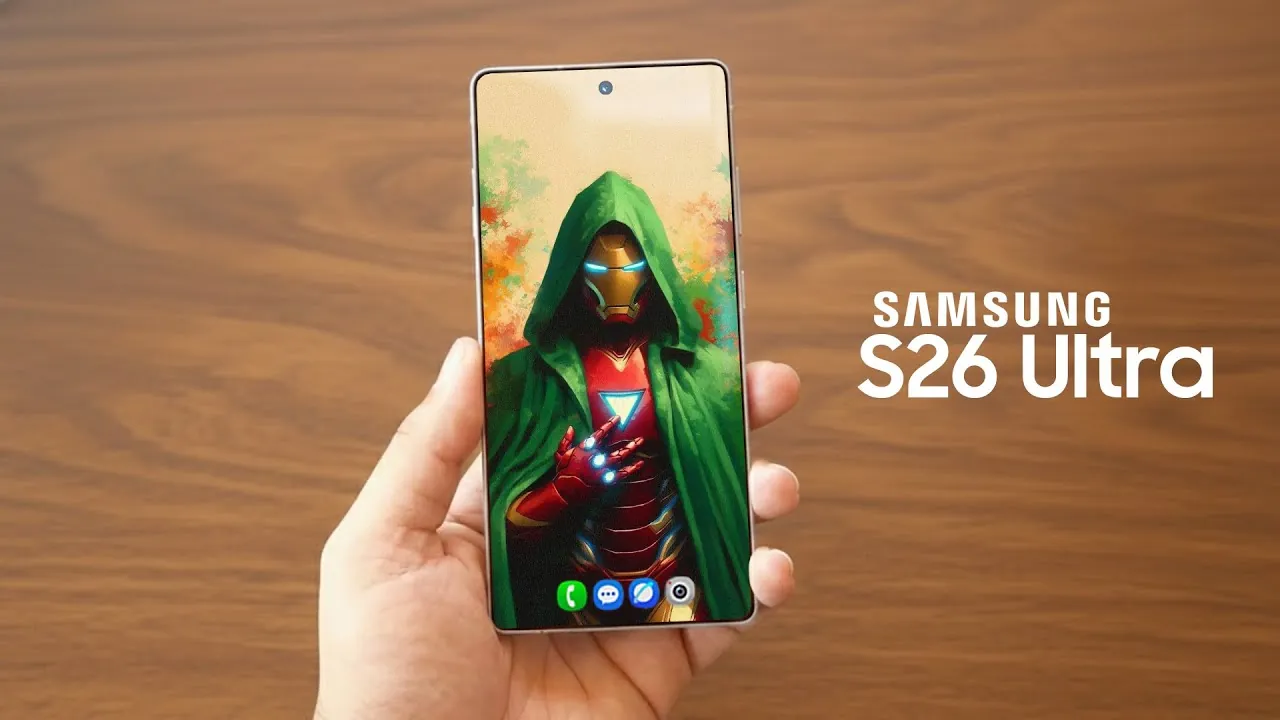
The Samsung Galaxy S26 Ultra, the latest flagship in Samsung’s renowned lineup, has captured attention with its innovative features and refined design. However, one unexpected design decision has sparked significant discussion: the absence of built-in magnets. This choice directly impacts magnetic functionality, wireless charging efficiency, and accessory compatibility, raising questions about whether it aligns with the expectations of a premium smartphone. While the device excels in areas such as camera performance and display quality, this omission has left some users questioning its overall value and practicality. The video below from TechTalkTV gives us more details about the Galaxy S26 Ultra.

SPEN Design: A Familiar Yet Slightly Restrictive Evolution
The SPEN remains a cornerstone of Samsung’s Ultra series, and the Galaxy S26 Ultra continues this legacy with a polished and refined design. Available in black and white, the SPEN features clicker colors that complement the phone’s aesthetic, maintaining its premium appeal. However, the tapered clicker end requires insertion in a specific orientation, a design reminiscent of earlier Galaxy Note models. While this ensures a secure fit, it may feel restrictive for users accustomed to the more flexible designs of recent years. Despite this minor inconvenience, the SPEN remains an indispensable tool for productivity and creativity, reinforcing Samsung’s commitment to stylus innovation.
No Built-in Magnets: A Surprising Design Choice
Contrary to earlier rumors, the Galaxy S26 Ultra does not include built-in magnets, a feature many users had anticipated. Instead, magnetic functionality relies on the use of magnetic cases, continuing the approach introduced with the Galaxy S25 Ultra. This design decision limits accessory compatibility and convenience, particularly for users who prefer a caseless experience. Built-in magnets could have streamlined the integration of accessories, such as magnetic chargers and mounts, offering a more seamless user experience. By omitting this feature, Samsung has left some users questioning whether the device fully meets the expectations of a flagship product in 2026.
Wireless Charging: A Compromise in Convenience
The absence of built-in magnets also has implications for wireless charging performance. While the Galaxy S26 Ultra supports 25W wireless charging, this speed is only achievable when using a magnetic case. Without one, charging speeds are capped at 15W, which may frustrate users seeking faster and more efficient charging solutions. Although magnetic cases provide a workaround, they introduce an additional dependency that could have been avoided with integrated magnets. This limitation underscores the trade-offs in Samsung’s design decisions, particularly for users who prioritize convenience and efficiency in their daily smartphone use.
Why Samsung Chose to Skip Built-in Magnets
Samsung’s decision to exclude built-in magnets likely stems from a combination of cost considerations and potential interference with SPEN functionality. Incorporating magnets into the device could have increased production costs, potentially raising the phone’s price. Additionally, magnets might have posed challenges for the SPEN’s precision and responsiveness, both of which are critical to its performance. While these factors provide some context for the decision, they do little to alleviate the disappointment of users who value magnetic functionality in a high-end smartphone. For many, the trade-off between cost and convenience feels like a missed opportunity to enhance the overall user experience.
How This Impacts User Experience
The lack of built-in magnets creates a divided user experience. For those who prefer a caseless smartphone, the absence of magnets means missing out on the convenience of magnetic accessories, such as easier attachment and alignment for chargers, mounts, and other peripherals. On the other hand, users who opt for magnetic cases can enjoy faster wireless charging speeds and broader accessory compatibility. This dichotomy highlights the limitations of Samsung’s design choice, as it fails to address the needs of all users equally. While magnetic cases offer a partial solution, they do not fully replicate the convenience and versatility that integrated magnets could have provided.
Balancing Innovation and Practicality
The Samsung Galaxy S26 Ultra represents a blend of technological advancements and design compromises. It excels in areas such as camera performance, display quality, and overall build, reaffirming its position as a premium flagship device. However, the absence of built-in magnets stands out as a notable shortcoming, particularly for users who value convenience and seamless accessory integration. While magnetic cases offer a functional workaround, they fall short of delivering the effortless experience that integrated magnets could have achieved. For a smartphone of this caliber, this design choice feels like a step back in an otherwise forward-thinking product lineup. As Samsung continues to innovate, addressing these gaps will be crucial to meeting the evolving expectations of its user base.
Here are more guides from our previous articles and guides related to Samsung Galaxy S26 Ultra that you may find helpful.
Source & Image Credit: TechTalkTV
Filed Under: Android News, Mobile Phone News, Top News
Latest Geeky Gadgets Deals
Disclosure: Some of our articles include affiliate links. If you buy something through one of these links, Geeky Gadgets may earn an affiliate commission. Learn about our Disclosure Policy.
Credit: Source link