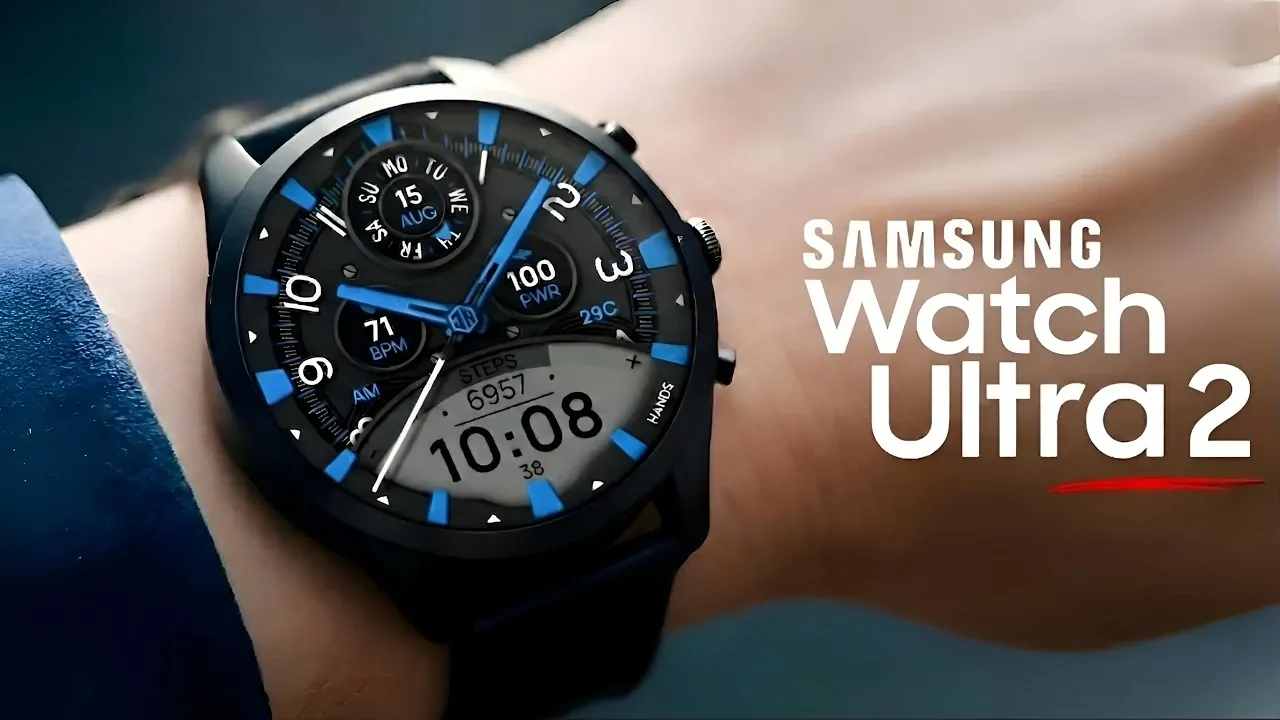
The Samsung Galaxy Watch Ultra 2 is poised to reshape the smartwatch landscape with its new full 5G connectivity. This feature is designed to enhance the device’s independence, allowing you to make calls, stream media, and browse the internet without relying on a smartphone or Wi-Fi. Scheduled for release in the summer of 2026, this premium wearable raises a compelling question: can it meet the high expectations set by competitors who have already introduced 5G-enabled smartwatches?

Why 5G Connectivity Matters
For the first time in Samsung’s smartwatch lineup, the Galaxy Watch Ultra 2 is expected to feature comprehensive 5G support, a development that could redefine how you interact with wearable technology. With 5G, you can stream music during workouts, reply to messages while on the move, or access apps directly from your wrist, all without the need for a paired smartphone. This advancement is likely to remain exclusive to the Ultra series, distinguishing it from Samsung’s standard models, such as the Galaxy Watch 9. By focusing on this premium feature, Samsung aims to cater to users who prioritize innovative connectivity in their wearable devices.
Powered by Qualcomm’s Snapdragon Elite Chip
At the heart of the Galaxy Watch Ultra 2 lies the Qualcomm Snapdragon Elite chip, a processor engineered to seamlessly integrate 5G capabilities while enhancing overall performance. This advanced chipset not only supports faster connectivity but also ensures smoother multitasking and quicker app launches. For you, this translates into a more responsive and efficient user experience. By using this technology, Samsung seeks to set a new standard in the premium smartwatch category, offering a device that combines power, speed and reliability.
Battery Life: A Balancing Act
The inclusion of 5G connectivity introduces significant benefits but also presents challenges, particularly in terms of battery consumption. Maintaining a balance between advanced features and long-lasting power is crucial for a wearable device. Samsung is likely to address this issue by optimizing battery performance through innovations in hardware and software. Potential solutions could include the use of next-generation battery technology or intelligent power management systems designed to extend battery life during 5G usage. These efforts aim to ensure that the Galaxy Watch Ultra 2 remains practical and reliable for everyday use.
Enhanced Performance and User Experience
The Galaxy Watch Ultra 2 is expected to deliver notable improvements in performance and usability, making it more intuitive and efficient for daily tasks. Enhanced software could provide faster health tracking updates, smoother app transitions and a more personalized interface tailored to your preferences. These advancements are essential for making sure that the smartwatch not only meets but exceeds user expectations. By focusing on both functionality and user experience, Samsung aims to create a device that is as practical as it is innovative.
Facing Stiff Competition
Samsung’s decision to integrate 5G into its smartwatch lineup is a direct response to the growing competition in the wearable tech market. Rivals like Apple have already introduced 5G-enabled smartwatches, setting high benchmarks for connectivity and performance. With the Galaxy Watch Ultra 2, Samsung seeks to close this gap and establish itself as a leader in the premium smartwatch segment. However, standing out in a crowded market will require more than just 5G connectivity. Unique features, innovative design elements, and a focus on user-centric functionality will be critical in differentiating the Galaxy Watch Ultra 2 from its competitors.
Exclusivity as a Differentiator
The 5G capabilities of the Galaxy Watch Ultra 2 are expected to remain exclusive to the Ultra lineup, reinforcing its status as a premium offering. This strategy allows Samsung to cater to a diverse range of users. While the Ultra series targets those seeking innovative technology, standard models like the Galaxy Watch 9 focus on affordability and essential features. For you, this means a clear choice based on your priorities, whether you value advanced functionality or prefer a more budget-friendly option. By maintaining this distinction, Samsung ensures that its smartwatch lineup appeals to a broad audience.
Looking Ahead: Launch and Market Impact
The Galaxy Watch Ultra 2 is set to debut in the summer of 2026, alongside other highly anticipated Samsung devices such as foldable smartphones and additional smartwatch models. This launch represents a significant step in Samsung’s commitment to innovation and user-focused design. As the smartwatch market continues to evolve, the Galaxy Watch Ultra 2 has the potential to set new benchmarks in connectivity, performance and functionality. Its release could mark a pivotal moment for Samsung, solidifying its position as a leader in the wearable tech industry.
The Future of Smartwatch Technology
The Samsung Galaxy Watch Ultra 2 represents a bold leap forward in wearable technology, with 5G connectivity as its defining feature. By integrating the Qualcomm Snapdragon Elite chip and focusing on performance optimization, Samsung aims to deliver a device that meets the demands of modern users. However, challenges such as battery life and intense competition must be addressed to ensure its success. As you explore the possibilities of this next-generation wearable, the Galaxy Watch Ultra 2 stands as a testament to the ongoing evolution of smartwatches, offering a glimpse into the future of connected devices.
Expand your understanding of Galaxy Watch Ultra 2 with additional resources from our extensive library of articles.
Source & Image Credit: Demon’s Tech
Filed Under: Android News, Mobile Phone News, Top News
Disclosure: Some of our articles include affiliate links. If you buy something through one of these links, Geeky Gadgets may earn an affiliate commission. Learn about our Disclosure Policy.
Credit: Source link