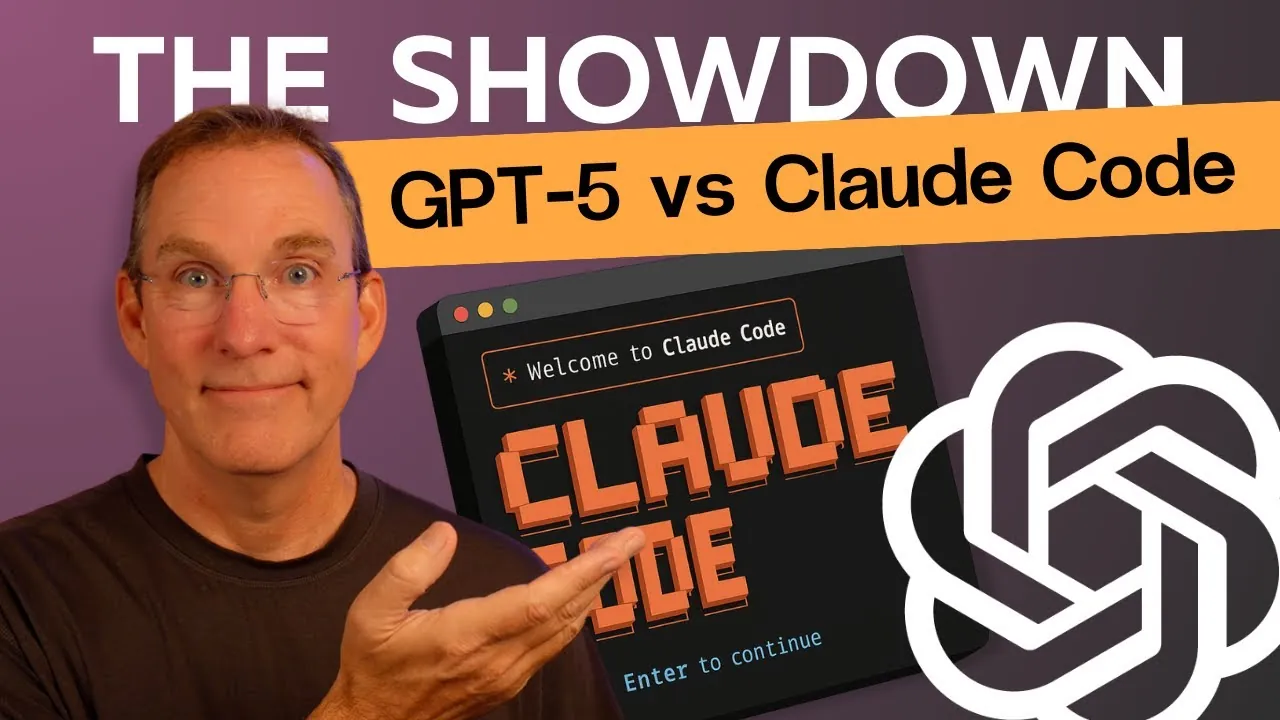
What happens when two AI titans square off in the ever-evolving world of code generation and application design? The competition between GPT-5 and Claude Code—particularly its Sonnet and Opus variants, has sparked a heated debate among developers and designers alike. While GPT-5 is celebrated for its technical precision and reliability, Claude Code’s creative flair and intuitive design capabilities have carved out a loyal following. But which tool truly delivers when it comes to balancing creativity, functionality, and engineering rigor? The answer isn’t as straightforward as you might think, and the stakes are higher than ever for those relying on these tools to shape the future of digital innovation.
In this exploration, Matt Maher unpack the unique strengths and limitations of GPT-5 and Claude Code, diving into their ability to handle tasks like interpreting PRDs, generating maintainable code, and crafting visually stunning designs. Along the way, you’ll discover how each tool approaches challenges like instruction adherence, modularity, and translating screenshots into functional outputs. Whether you’re a developer seeking precision or a designer chasing innovation, this comparison will help you navigate the nuances of these AI powerhouses. After all, the choice between them isn’t just about features, it’s about finding the right fit for your vision.
GPT-5 vs Claude Code
TL;DR Key Takeaways :
- GPT-5 excels in reliability and precision, making it ideal for engineering-focused tasks requiring explicit instructions and technical accuracy.
- Sonnet and Opus prioritize creativity and visual appeal, making them better suited for design-oriented projects, though they may require refinement for technical precision.
- Opus leads in generating clean, modular, and maintainable code, while Sonnet occasionally struggles with long-term code maintainability.
- For translating visual references like screenshots into functional designs, Sonnet and Opus outperform GPT-5, which is better with text-based specifications.
- Iterative refinement and clear, detailed prompts are essential for optimizing the performance of all models, regardless of the task.
Creativity and Reliability: Striking the Right Balance
The first impression of these models often highlights their distinct strengths. Sonnet consistently delivers outputs that are both creative and visually engaging, making it an excellent choice for tasks where design aesthetics are paramount. However, its tendency to overlook critical details may necessitate additional refinement to meet precise requirements. GPT-5, on the other hand, has made notable advancements in reliability, producing accurate and dependable initial drafts that require fewer adjustments. Meanwhile, Opus excels in generating detailed application pages, but minor errors or inconsistencies can occasionally arise, requiring iterative corrections.
If your project prioritizes creativity and visual appeal, Sonnet is likely to stand out. However, for those seeking a reliable and balanced starting point, GPT-5 is closing the gap and offers a dependable alternative.
Instruction Adherence: Precision or Intuition?
The ability of these models to follow instructions depends significantly on the clarity and structure of the provided prompts. GPT-5 performs exceptionally well when given explicit, detailed guidance, making sure it adheres closely to specified requirements. In contrast, Sonnet and Opus demonstrate a more intuitive approach, often making creative decisions that align with the broader context of the input. While this can lead to innovative results, it may also result in deviations from strict instructions.
Across all models, errors in initial outputs are not uncommon, underscoring the importance of iterative refinement. If your project demands precision and strict adherence to instructions, GPT-5 is a strong contender. However, for tasks that benefit from creative interpretation and flexibility, Sonnet and Opus may better suit your needs.
Can GPT-5 Keep Up with Claude Code?

Enhance your knowledge on ChatGPT 5 by exploring a selection of articles and guides on the subject.
Code Quality and Maintainability: Engineering Standards Matter
The quality of generated code is a critical factor in evaluating these tools. Opus stands out for its clean, modular architecture, which emphasizes breaking code into isolated, testable components. This approach simplifies debugging and assists future updates. GPT-5 also demonstrates strong engineering practices, adhering to established naming conventions and maintaining a clear separation of concerns. While Sonnet is capable of producing clean code, it occasionally struggles with maintaining modularity, which can complicate long-term maintenance.
For projects that prioritize clean, maintainable code, Opus leads the way, with GPT-5 offering a close alternative for engineering-focused tasks. Sonnet, while creative, may require additional oversight to ensure maintainability.
Design and UI Implementation: Aesthetic Appeal vs. Practical Functionality
When it comes to user interface (UI) design, Sonnet excels in delivering visually appealing and functional outputs that align closely with design expectations. Its ability to create polished and engaging designs makes it a preferred choice for visually driven projects. Opus, while innovative, introduces features such as auto-progressing carousels but occasionally lacks consistency in design elements. GPT-5, though improving in this area, often leans toward functional, database-like layouts, which may lack the stylistic nuances required for certain projects.
For projects emphasizing visual aesthetics and design innovation, Sonnet is the most reliable option. However, if your focus is on practical, engineering-oriented designs, GPT-5 provides a more functional solution.
Using PRDs and Screenshots: Text and Visual Inputs
The use of detailed PRDs and screenshots significantly enhances the performance of all three models. Sonnet and Opus excel at interpreting visual design requirements, effectively translating screenshots into functional designs. Their ability to adapt to visual inputs makes them particularly valuable for projects involving UI or UX design. GPT-5, while excelling with text-based engineering instructions, sometimes struggles with visual design elements, often requiring additional iterations to refine outputs.
If your project involves translating visual references into code, Sonnet and Opus are better equipped for the task. Conversely, GPT-5 shines when working with text-based specifications that demand technical precision and clarity.
Key Insights for Choosing the Right Tool
Several important takeaways emerge from this comparison:
- Providing clear, detailed, and incremental prompts significantly improves the performance of all models.
- GPT-5 excels in engineering-focused tasks, particularly when explicit guidance is provided.
- Sonnet and Opus are more intuitive and creative, making them ideal for design-oriented projects but requiring refinement for technical precision.
- Iterative testing and refinement are essential to achieving optimal results, regardless of the model used.
Tailoring Your Approach for Maximum Impact
The choice between GPT-5 and Claude Code ultimately depends on the specific demands of your project. GPT-5 is best suited for engineering-focused tasks that require explicit instructions and technical accuracy. In contrast, Claude Code, particularly its Sonnet and Opus variants, excels in creative and design-oriented tasks, offering intuitive adaptability to visual and stylistic requirements.
By understanding the unique strengths and limitations of each model, you can tailor your approach to maximize their potential. Whether your priority is engineering rigor or creative flexibility, these tools provide powerful capabilities that, when used effectively, can enhance your application design and code generation workflows. With the right strategy, you can use these AI models to meet your project goals efficiently and effectively.
Media Credit: Matt Maher
Filed Under: AI, Top News
Latest Geeky Gadgets Deals
Disclosure: Some of our articles include affiliate links. If you buy something through one of these links, Geeky Gadgets may earn an affiliate commission. Learn about our Disclosure Policy.
Credit: Source link