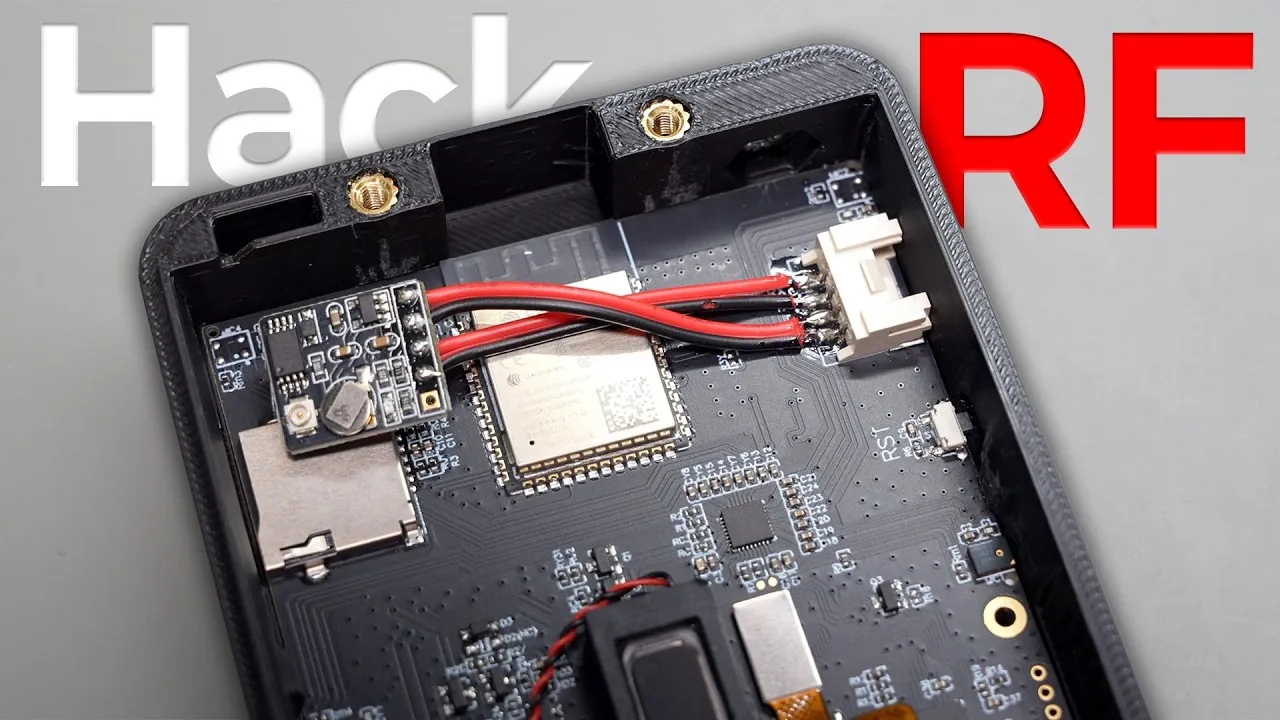
What if you could decode the invisible chatter of wireless networks, uncovering the secrets of off-grid communication systems, all with tools you can build at home? The intersection of software-defined radio (SDR), Raspberry Pi, and GNU Radio offers a gateway into this fascinating world, where signals once reserved for experts can now be analyzed by anyone with curiosity and patience. Imagine tracking airplanes in real-time, optimizing wireless traffic, or even hacking into the mechanics of Meshtastic—a long-range, off-grid messaging system powered by the LoRa protocol. This isn’t just a hobby; it’s a hands-on exploration of how modern communication systems work, and it’s more accessible than you might think.
Jeff Geerling explains how SDR tools combined with a Raspberry Pi and GNU Radio can be used to decode and analyze the Meshtastic network. You’ll gain insights into the technical challenges of working with LoRa modulation, from configuring GNU Radio workflows to fine-tuning antenna placement for optimal signal reception. Along the way, we’ll touch on the broader applications of SDR, from airplane tracking to wireless traffic optimization, showcasing its versatility. Whether you’re a seasoned tinkerer or a curious beginner, this journey into the world of SDR promises to be as rewarding as it is challenging. What hidden signals will you uncover?
Exploring SDR Applications
TL;DR Key Takeaways :
- Software-defined radio (SDR) enables flexible analysis and decoding of wireless signals using software, with applications ranging from airplane tracking to off-grid messaging systems like Meshtastic.
- Meshtastic uses the LoRa protocol for long-range, off-grid communication, offering unique opportunities for SDR experimentation, though decoding its signals requires precise configuration and technical expertise.
- GNU Radio, an open source framework, is essential for processing SDR signals, but mastering it demands a solid understanding of radio communication principles and its architecture.
- Key technical challenges in SDR include optimizing antenna placement and configuring signal processing parameters, which require experimentation and persistence to overcome.
- SDR’s versatility supports a wide range of applications, including airplane tracking, wireless traffic monitoring, and hobbyist projects, offering endless opportunities for innovation and exploration in wireless communication.
Understanding Software-Defined Radio
Software-defined radio is a highly adaptable technology that processes and analyzes radio signals using software rather than traditional hardware components. This flexibility allows users to explore and decode a variety of wireless communication systems. For example:
- ADSB (Automatic Dependent Surveillance-Broadcast): Enables tracking of airplanes by decoding their broadcast signals, providing real-time flight data.
- Wireless Traffic Analysis: Identifies interference in crowded environments, such as Wi-Fi or Bluetooth congestion, to optimize network performance.
GNU Radio, a modular and open source software framework, plays a critical role in processing these signals. Its versatility allows users to design custom workflows tailored to specific tasks, such as decoding the LoRa protocol used by Meshtastic devices. However, mastering GNU Radio requires a strong foundation in both its architecture and the principles of radio communication.
Meshtastic and the LoRa Protocol
Meshtastic is an innovative off-grid text messaging system that uses the LoRa protocol for long-range communication. It is particularly valuable in remote areas or during events where cellular networks are unavailable. By using SDR tools, you can analyze the signals transmitted by Meshtastic devices to better understand their operation and functionality.
At the OpenSauce event, Meshtastic activity provided a unique opportunity to experiment with SDR in a real-world setting. Observing the network’s signals enabled attempts to decode messages and identify protocol variations, such as LongFast versus ShortTurbo frequencies. However, decoding these signals presents significant challenges. LoRa’s modulation techniques are complex, requiring precise SDR configuration to accurately interpret the data.
Meshtastic Hacking with a Raspberry Pi in 2025

Here is a selection of other guides from our extensive library of content you may find of interest on Raspberry Pi.
Addressing Technical Challenges
Working with SDR tools to decode wireless signals involves overcoming several technical obstacles. Key challenges include:
- Antenna Placement: Proper positioning of the antenna is essential for optimal signal reception. In environments like convention centers, interference from Wi-Fi, Bluetooth, and other devices can complicate signal analysis.
- Signal Processing: Configuring GNU Radio to decode LoRa signals demands a deep understanding of radio protocols. Parameters such as bandwidth, spreading factor, and coding rate must be carefully adjusted to match the specific protocol used by the Meshtastic network.
Experimentation is crucial to overcoming these challenges. Adjusting antenna configurations, testing signal attenuation techniques, and refining GNU Radio workflows can significantly improve signal decoding accuracy. Patience and persistence are key to mastering these technical aspects.
Expanding the Applications of SDR
The versatility of SDR extends far beyond decoding Meshtastic signals. It opens up a wide array of practical applications, including:
- Airplane Tracking: Decoding ADSB data provides valuable insights into flight paths, air traffic patterns, and aviation safety.
- Wireless Traffic Monitoring: SDR can analyze crowded wireless environments to identify sources of interference or explore long-range communication systems.
- Hobbyist Projects: From decoding satellite signals to experimenting with amateur radio, SDR offers countless opportunities for enthusiasts and professionals to innovate and explore.
While the technical learning curve can be steep, the potential rewards are substantial. Combining tools like GNU Radio with hardware such as the HackRF One and Raspberry Pi enables users to push the boundaries of wireless signal analysis and uncover new possibilities.
The Future of SDR Exploration
The potential of SDR technology is vast, offering endless opportunities for exploration and innovation. Future projects could include:
- Exploring advanced features of GNU Radio to enhance signal processing capabilities.
- Experimenting with other SDR applications, such as satellite communication or advanced ADSB decoders.
- Developing new techniques to decode increasingly complex wireless protocols.
By continuing to learn and experiment, you can deepen your understanding of wireless communication and unlock new insights into the world of radio signals. The combination of SDR tools and creative problem-solving has the potential to drive significant advancements in this field.
Unlocking the Potential of SDR
Using SDR to explore Meshtastic with a Raspberry Pi and GNU Radio highlights both the challenges and rewards of this technology. While the learning curve may be steep, the knowledge and skills gained are invaluable. Whether you are tracking airplanes, decoding off-grid messages, or analyzing wireless traffic, SDR provides a powerful platform for exploring the complexities of wireless communication. With dedication and curiosity, you can harness its full potential and uncover a fascinating world of possibilities.
Media Credit: Jeff Geerling
Filed Under: Guides, Hardware
Latest Geeky Gadgets Deals
Disclosure: Some of our articles include affiliate links. If you buy something through one of these links, Geeky Gadgets may earn an affiliate commission. Learn about our Disclosure Policy.
Credit: Source link