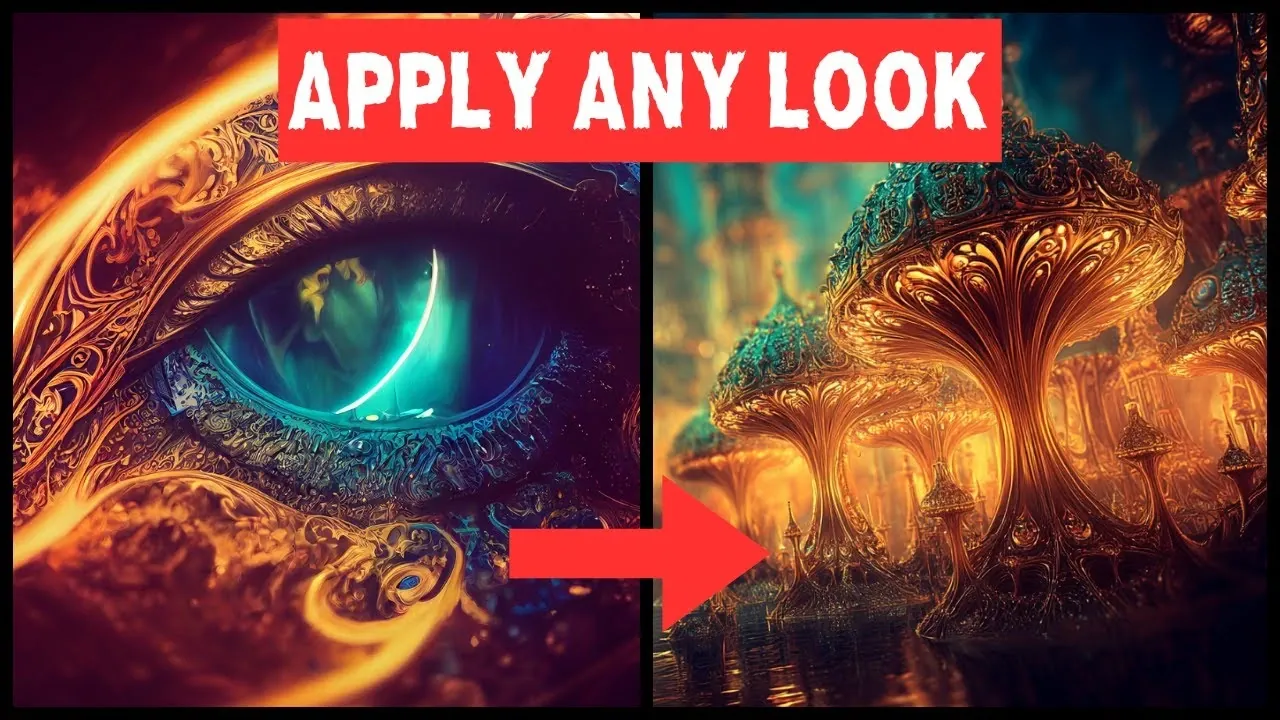
Have you ever wondered how some creators seem to effortlessly transform their AI-generated images into stunning works of art that feel like they belong in a gallery? The secret lies in mastering the art of applying styles, an often-overlooked but incredibly powerful aspect of tools like Midjourney. Whether you’re aiming for the moody hues of film noir, the vibrant chaos of abstract expressionism, or the sleek minimalism of modern design, the ability to align your visuals with a specific aesthetic can elevate your creative projects from good to truly unforgettable. And the best part? With the right techniques, you can replicate or adapt virtually any look to match your artistic vision.
In this hands-on breakdown, Thaeyne reveals how to unlock the full potential of Midjourney by combining style codes, reference images, and carefully crafted prompts. You’ll discover how to use these tools not just to mimic existing aesthetics but to create entirely new ones that reflect your unique perspective. Along the way, you’ll learn how to avoid common pitfalls, like overloading your prompts, and how to embrace the AI’s quirks to fuel your creative experimentation. Whether you’re a seasoned digital artist or a curious beginner, this guide will help you take control of your style application process, opening the door to a world of artistic possibilities. After all, creativity thrives where structure meets play.
Mastering Midjourney Styles
TL;DR Key Takeaways :
- Style codes in Midjourney are essential for defining and replicating specific aesthetics, and concise prompts enhance their effectiveness.
- Reference images are powerful tools for replicating complex styles, allowing for the integration of diverse elements like color palettes and textures.
- Profile codes and mood boards provide structure and inspiration, allowing consistent style replication and creative experimentation.
- Crafting precise prompts with descriptive language and iterative refinement is key to achieving desired artistic outcomes.
- Combining tools like style codes, reference images, and prompts unlocks creative possibilities, while embracing AI variability fosters innovation and discovery.
Understanding Style Codes and Their Importance
Style codes are a fundamental feature of Midjourney, serving as a powerful tool to define and replicate specific aesthetics. These codes, often embedded in image metadata, act as shorthand for particular visual styles. For instance, a code like “sf” might correspond to a science fiction theme, while others could represent vintage, minimalist, or abstract aesthetics.
To use style codes effectively, it is crucial to keep your prompts concise and focused. Overloading a prompt with excessive details can dilute the impact of the style code, leading to inconsistent results. Instead, prioritize the core elements of the style you wish to achieve and allow the style code to guide the AI’s interpretation. By doing so, you can maintain clarity and precision in your creative process.
Using Reference Images for Style Replication
Reference images are an invaluable resource for guiding Midjourney’s output, particularly when aiming to replicate complex or niche aesthetics. By uploading external images, whether photographs, artworks, or AI-generated visuals, you can direct the AI to mimic specific stylistic elements. This approach is especially effective for achieving results that are difficult to describe with text alone.
To maximize the impact of reference images:
- Combine multiple images to incorporate diverse stylistic elements, such as color palettes, textures, or lighting effects.
- Ensure that the reference images are high-quality and clearly represent the aesthetic you want to replicate.
- Experiment with blending different references to create a unique and customized look.
For example, you might pair the vibrant hues of one image with the intricate textures of another, resulting in a distinctive aesthetic that reflects your creative vision. This method allows for greater flexibility and precision in achieving your desired style.
How to Apply Any Look to Your Midjourney Images

Browse through more resources below from our in-depth content covering more areas on Midjourney styling tips & tricks.
Enhancing Creative Control with Profile Codes and Mood Boards
Profile codes and mood boards offer additional tools for refining and replicating styles in Midjourney. These resources provide structure and inspiration, allowing you to achieve greater consistency and creativity in your projects.
- Profile Codes: These personalized identifiers are tied to specific users or projects, allowing you to revisit and refine styles over time. By analyzing these codes, you can identify patterns and stylistic preferences that define your work.
- Mood Boards: A mood board serves as a visual roadmap, compiling images that embody your desired aesthetic. This collection helps guide the AI in producing outputs that align with your creative goals.
By combining profile codes with mood boards, you can create a structured yet flexible approach to style application. This method not only enhances your ability to replicate existing styles but also encourages creative experimentation, allowing you to develop unique and innovative aesthetics.
Crafting Precise Prompts for Style Application
Prompts are the foundation of Midjourney’s output, and crafting them effectively requires a careful balance between specificity and flexibility. While style codes and reference images provide a strong framework, your prompts add the nuance needed to shape the final result.
To optimize your prompts:
- Use descriptive language to emphasize key stylistic elements, such as “soft gradients,” “vintage lighting,” or “ornate textures.”
- Begin with simple prompts and gradually introduce complexity to refine the output.
- Iterate on your prompts by experimenting with different terms and combinations to achieve the desired effect.
For instance, if your initial result lacks detail, you can enhance the prompt with terms like “intricate patterns” or “whimsical color schemes” to guide the AI more precisely. This iterative process allows you to fine-tune your prompts and achieve a closer alignment with your creative vision.
Practical Applications of Style Techniques
The techniques outlined above can be applied to a wide range of creative projects, from recreating historical art styles to developing futuristic designs. Midjourney’s tools enable you to bring your artistic ideas to life with remarkable precision and flexibility.
Here are some practical ways to apply these techniques:
- Reference Images: Use them to transfer specific color schemes, lighting effects, or textures to your work.
- Style Codes: Apply them to replicate the intricate details of vintage art or the clean lines of minimalist design.
- Combining Tools: Integrate style codes, reference images, and prompts to create a highly customized aesthetic.
By experimenting with these tools, you can produce visuals that are not only visually striking but also deeply aligned with your creative objectives. This approach encourages innovation and allows you to explore new artistic possibilities.
Overcoming Limitations and Customizing Styles
While Midjourney offers extensive capabilities, it is important to recognize its limitations. The AI’s outputs can vary, and exact replication of a style may not always be achievable. However, with careful experimentation and adjustments, you can create close approximations that capture the essence of your desired aesthetic.
To enhance your creative process:
- Develop a library of custom style codes tailored to your projects for greater consistency and efficiency.
- Embrace the variability of AI-generated outputs as an opportunity for creative discovery and innovation.
This approach not only streamlines your workflow but also fosters greater artistic freedom, allowing you to push the boundaries of your creativity. By adapting to the AI’s capabilities and limitations, you can achieve results that are both unique and impactful.
Media Credit: Thaeyne
Filed Under: AI, Guides
Latest Geeky Gadgets Deals
Disclosure: Some of our articles include affiliate links. If you buy something through one of these links, Geeky Gadgets may earn an affiliate commission. Learn about our Disclosure Policy.
Credit: Source link