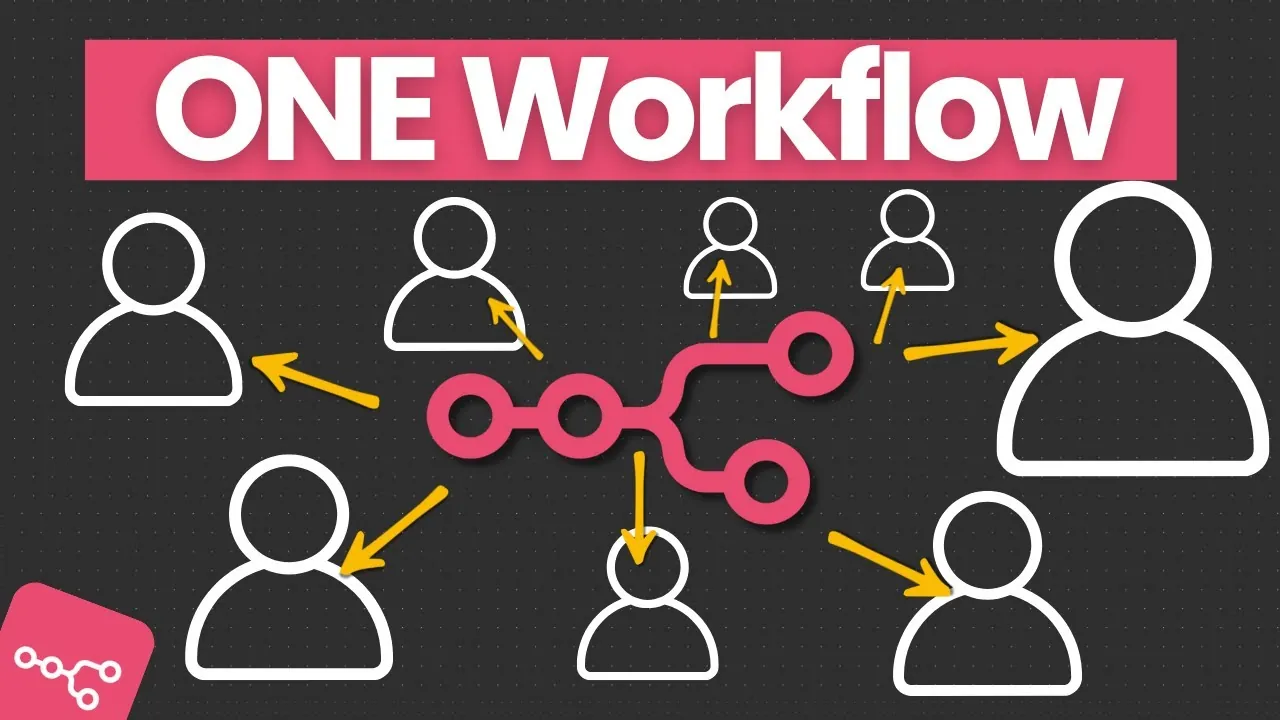
Imagine this: your AI agency is thriving, but with every new client, your workload multiplies. Each client needs a tailored workflow, and soon, you’re stuck managing dozens, if not hundreds, of duplicated processes. It’s a logistical nightmare, prone to errors and inefficiencies. What if there were a way to scale your operations without the chaos? Enter the power of a single dynamic workflow built with n8n. By centralizing client data and automating customization, this approach eliminates redundancy, reduces errors, and positions your agency for seamless growth. It’s not just a workflow, it’s a fantastic option for agencies looking to scale smarter, not harder.
In this step-by-step overview, Bart Slodyczka reveals how to build and implement this fantastic system. You’ll discover how to use placeholder variables, centralized databases, and conditional logic to create workflows that adapt dynamically to each client’s needs. Whether you’re managing AI-driven customer support, lead generation, or payment processing, this method ensures efficiency without sacrificing personalization. Curious about how this single workflow can replace dozens of manual processes? Let’s explore how this approach can transform your agency’s scalability while keeping operations lean and effective.
Scaling AI with Dynamic Workflows
TL;DR Key Takeaways :
- Traditional workflow duplication for each client leads to inefficiencies, increased errors, and scalability challenges, making it unsustainable for growing AI agencies.
- A single dynamic n8n workflow uses a centralized database, placeholder variables, and conditional logic to deliver personalized services without duplicating workflows.
- Key benefits of a single workflow approach include simplified client onboarding, reduced maintenance, and improved scalability, allowing seamless updates and consistent functionality.
- Implementing dynamic workflows involves using placeholder variables, conditional logic, and API integration to adapt to client-specific needs and streamline operations.
- Dynamic workflows are versatile and can be applied to various AI-driven services, such as lead generation, SMS notifications, and customer support, while making sure cost-effective scalability and efficiency.
The Challenges of Traditional Workflow Duplication
Duplicating workflows for every client introduces unnecessary operational complexity. Each workflow requires individual updates, which increases the risk of errors and inconsistencies. For example, if you need to integrate a new feature or update an existing process, you must replicate those changes across all workflows. This process is time-consuming and limits your ability to scale efficiently.
Moreover, managing multiple workflows complicates monitoring and troubleshooting. Each issue must be resolved individually, creating bottlenecks and reducing overall efficiency. As your client base expands, this approach becomes increasingly unsustainable, hindering your ability to deliver consistent and reliable services.
The Efficiency of a Dynamic Workflow
A single dynamic workflow in n8n offers a streamlined and scalable alternative. By centralizing client data and using placeholder variables, you can dynamically customize workflows for each client. This approach eliminates the need for duplicating workflows while maintaining personalized service. Here’s how it works:
- Centralized Database: Store client-specific details, such as names, preferences, and API keys, in a single location for easy access and management.
- Placeholder Variables: Use these variables to dynamically insert client-specific data during workflow execution, making sure tailored outputs.
- Conditional Logic: Incorporate decision-making steps to address variations in client requirements, such as service tiers or custom configurations.
For instance, if your agency provides AI-driven customer support, the workflow can retrieve a client’s preferred AI model and adjust responses dynamically to meet their unique needs. This ensures personalized service without the overhead of managing multiple workflows.
Scale Your AI Agency With One n8n Workflow in 2025

Take a look at other insightful guides from our broad collection that might capture your interest in AI agency workflows.
Advantages of a Single Workflow Approach
Transitioning to a single dynamic workflow offers numerous benefits that can significantly improve your agency’s operations:
- Simplified Onboarding: Adding a new client becomes as straightforward as updating the centralized database with their details, eliminating the need to create new workflows.
- Reduced Maintenance: Updates and enhancements can be applied to the core workflow, making sure consistency and reducing the risk of errors across all clients.
- Improved Scalability: Centralized operations allow you to accommodate more clients without increasing complexity or resource demands.
For example, if you introduce a new feature, such as automated email notifications, you only need to update the core workflow. The changes will automatically apply to all clients, saving time and making sure uniform functionality.
Steps to Implement a Dynamic Workflow
To successfully implement a single dynamic workflow, focus on three key components:
- Dynamic Variables: Use placeholder variables to represent client-specific data, such as API keys, preferences, or configurations. These variables enable workflows to adapt dynamically to each client’s needs.
- Conditional Logic: Add decision-making steps to handle variations in client requirements, such as premium versus standard service tiers or custom integrations.
- API Integration: Use API calls to retrieve client-specific data from the centralized database and execute workflows dynamically based on this information.
For example, if a client uses a specific payment platform like PayPal, the workflow can dynamically retrieve their API credentials and process transactions accordingly. This adaptability ensures your services remain flexible and responsive to diverse client needs.
Monitoring and Optimizing Workflow Performance
To ensure smooth operations and maintain high performance, it’s essential to monitor workflows and track key metrics. Execution logs can provide valuable insights into workflow performance, including API calls, processing times, and error rates. These logs can help you:
- Identify bottlenecks and optimize workflow efficiency.
- Track client activity and resource usage to ensure fair allocation.
- Manage API costs by identifying and addressing inefficiencies.
For instance, if a particular client’s workflow generates unusually high API costs, you can analyze the logs to pinpoint inefficiencies and implement targeted optimizations. This proactive approach ensures your services remain cost-effective and reliable as your agency scales.
Applications Across AI Services
The dynamic workflow approach is highly versatile and can be applied to a wide range of AI-driven services. Some practical applications include:
- Lead Generation: Automate data collection and outreach with workflows tailored to each client’s target audience and goals.
- SMS Notifications: Use platforms like Twilio to send personalized messages dynamically based on client-specific preferences.
- Customer Support: Customize AI-driven responses to align with each client’s service tiers, preferences, and branding.
Additionally, the workflow can integrate seamlessly with platforms like HubSpot, Stripe, or Twilio by mapping unique client identifiers. This flexibility enables your agency to cater to diverse industries and requirements without compromising efficiency or scalability.
Positioning Your Agency for Growth
Adopting a single dynamic n8n workflow can significantly enhance your agency’s operational efficiency and scalability. By reducing complexity, simplifying client onboarding, and allowing seamless updates, this approach positions your agency for sustainable growth. Whether you’re managing lead generation, customer support, or payment processing, a centralized database and dynamic logic empower you to deliver personalized services efficiently. With robust monitoring and the flexibility to adapt to client-specific needs, this solution ensures your agency remains competitive in an ever-evolving market.
Media Credit: Bart Slodyczka
Filed Under: AI, Guides
Latest Geeky Gadgets Deals
Disclosure: Some of our articles include affiliate links. If you buy something through one of these links, Geeky Gadgets may earn an affiliate commission. Learn about our Disclosure Policy.
Credit: Source link