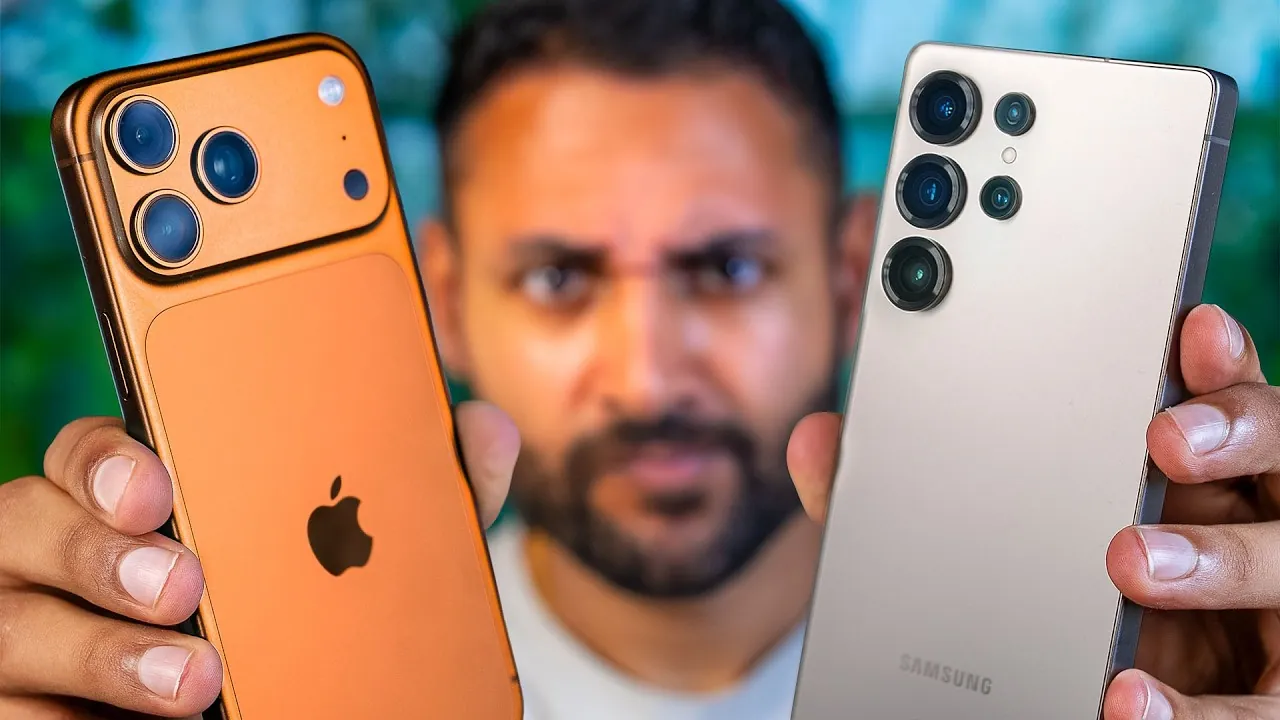
When choosing a smartphone, the camera often becomes a decisive factor. The iPhone 17 Pro Max and Samsung Galaxy S25 Ultra represent two of the most advanced options in mobile photography, each offering distinct strengths. The awesome video below from Mrwhosetheboss evaluates their performance across critical areas, including front cameras, zoom capabilities, video recording, portrait mode, standard photography, low-light imaging, and audio recording. By examining these aspects, you can determine which device aligns better with your needs.

Front Camera Performance
The front camera plays a crucial role in selfies, video calls, and creating social media content. The iPhone 17 Pro Max offers a wider field of view, making it ideal for group selfies and inclusive video calls. Its advanced stabilization ensures smooth video recording, even when using third-party apps. Additionally, the iPhone introduces a landscape video mode, which enhances natural eye contact during calls—a feature where the Samsung Galaxy S25 Ultra falls short.
Another key factor is skin tone accuracy. The iPhone consistently delivers natural and balanced skin tones, while Samsung’s processing leans toward more vibrant, albeit less realistic, results. For users who prioritize usability and consistent performance, the iPhone emerges as the stronger choice in this category.
Zoom Technology
Zoom capabilities are a defining feature for both devices, but their approaches differ significantly. The Samsung Galaxy S25 Ultra offers an impressive 5x optical zoom, producing sharp and vibrant images in well-lit conditions. However, this often comes at the expense of natural color and texture. In contrast, the iPhone 17 Pro Max provides a smoother and more responsive zoom slider, excelling in low-light scenarios where Samsung struggles with noise and detail retention.
For users who frequently capture distant subjects, Samsung’s aggressive image processing may appeal to you. However, the iPhone’s balanced performance ensures more reliable results across a variety of lighting conditions, making it a more versatile option.
Video Recording
Both smartphones excel in 4K video recording, but their strengths cater to different needs. The iPhone 17 Pro Max handles exposure with precision, particularly in challenging lighting conditions such as backlit scenes or high-contrast environments. Samsung’s Galaxy S25 Ultra, while capable, often struggles with maintaining color consistency when switching between lenses during video capture.
If seamless transitions and accurate exposure are priorities for your videos, the iPhone delivers a more polished experience. Samsung’s vibrant colors may appeal to casual users, but professionals and enthusiasts are likely to prefer the iPhone’s reliability and precision.
Portrait Mode Photography
Portrait mode remains a favorite for capturing striking images of people and pets. The iPhone 17 Pro Max excels in this area, offering detailed and color-accurate portraits with improved edge detection. Whether photographing humans or animals, the iPhone’s processing ensures natural and visually appealing results.
Samsung’s Galaxy S25 Ultra produces more vibrant portraits, which can be visually striking but occasionally inconsistent in low-light settings. If detail and accuracy are your priorities, the iPhone emerges as the stronger contender in portrait photography.
Standard Photos and Image Processing
For standard photography, the iPhone’s 24MP default resolution captures more detail than Samsung’s 12MP output. The iPhone prioritizes accuracy and consistency, making sure that colors and textures remain true to life. Samsung, on the other hand, employs vibrant processing that creates images that are immediately eye-catching but sometimes less realistic.
For users who prefer natural-looking photos, the iPhone’s approach is more appealing. However, if bold and saturated images are your preference, Samsung’s processing may better suit your style.
Low-Light Imaging
Low-light performance is a critical test for any smartphone camera. The iPhone 17 Pro Max excels in capturing natural detail, particularly in portrait mode, where it outperforms Samsung in darker environments. Samsung’s Galaxy S25 Ultra offers better dynamic range in low light but struggles with noise and color accuracy in challenging conditions.
If you frequently shoot in dimly lit settings, the iPhone’s superior handling of detail and color makes it the better choice for low-light photography.
Audio Recording Features
Audio quality is an often-overlooked aspect of smartphone cameras but remains vital for video recording and voice memos. Samsung’s Galaxy S25 Ultra effectively reduces background noise, making it ideal for noisy environments. However, this aggressive noise reduction can sometimes compromise voice clarity. The iPhone 17 Pro Max strikes a better balance, delivering clear and natural audio in most scenarios.
For users who prioritize balanced audio performance, the iPhone offers a more versatile solution, while Samsung caters to those needing stronger noise reduction in specific environments.
Final Thoughts
The iPhone 17 Pro Max and Samsung Galaxy S25 Ultra are both exceptional devices, but their strengths cater to different priorities. The iPhone excels in consistency, detail, and overall camera performance, making it the preferred choice for most users. Its advancements in zoom, portrait mode, and low-light imaging address previous shortcomings, solidifying its position as a leader in mobile photography.
While the Samsung Galaxy S25 Ultra remains competitive with its vibrant processing and zoom capabilities, it falls short in areas like color accuracy and low-light performance. Ultimately, the iPhone 17 Pro Max’s balanced approach and significant improvements make it the stronger option for those seeking a reliable and versatile camera experience.
Uncover more insights about iPhone 17 Pro Max Camera in previous articles we have written.
Source & Image Credit: Mrwhosetheboss
Filed Under: Android News, Apple, Apple iPhone, Guides
Latest Geeky Gadgets Deals
Disclosure: Some of our articles include affiliate links. If you buy something through one of these links, Geeky Gadgets may earn an affiliate commission. Learn about our Disclosure Policy.
Credit: Source link