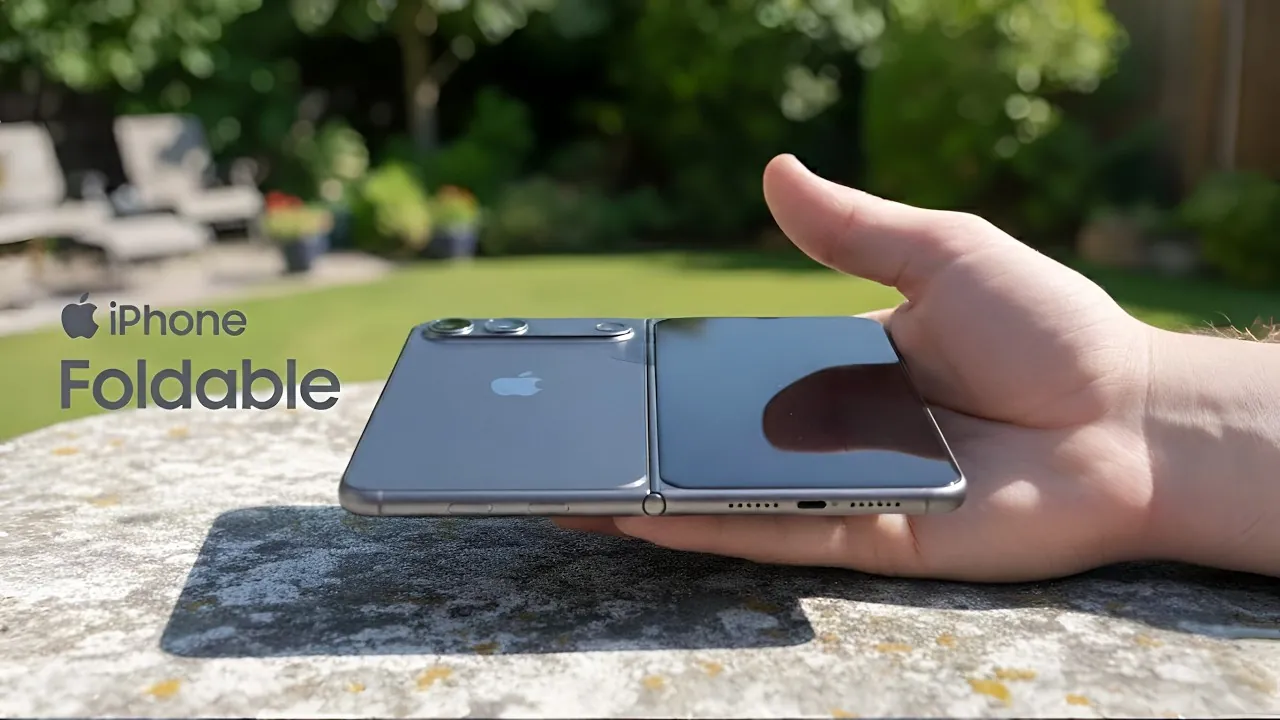
Apple is reportedly preparing to launch its first foldable iPhone, a move that could significantly influence the foldable smartphone landscape. By emphasizing durability, functionality, and minimalist design, Apple aims to address the challenges that have hindered foldable devices in the past. This strategic entry has the potential to disrupt the market dominance of competitors like Samsung, which has led the foldable segment for years. Here’s how Apple’s approach could alter the dynamics of the industry.

Design Innovations: Simplicity Meets Functionality
Apple’s foldable iPhone is expected to reflect the company’s well-known minimalist design philosophy, blending aesthetics with practicality. Reports suggest that the device will feature:
- A single punch-hole front camera to provide an uninterrupted display experience.
- A flatter dual-camera setup on the back, making sure high-quality imaging while maintaining a sleek appearance.
One of the most notable design changes could be the relocation of the volume buttons to the top-right edge of the device. This adjustment not only enhances durability by reducing wear on frequently used components but also contributes to a cleaner, button-free left side. These refinements highlight Apple’s commitment to creating a device that is both visually appealing and highly functional, making sure it meets the expectations of its discerning user base.
Durability Enhancements: Addressing Foldable Weak Points
Foldable smartphones have historically faced challenges with hinge durability, but Apple appears to be addressing this issue with a thoughtful design approach. By concentrating internal components on one side of the device, Apple could reduce stress on the hinge mechanism, thereby minimizing potential failure points. This design choice also optimizes internal space, which could allow for a larger battery—a critical feature for foldable devices that typically consume more power.
Additionally, Apple is expected to use premium materials to enhance the structural integrity of the iPhone Fold. This focus on durability aims to alleviate consumer concerns about the longevity of foldable smartphones, which has been a significant barrier to adoption in this category. By prioritizing reliability, Apple could position the iPhone Fold as a standout option in the market.
Functionality Updates: User-Centric Features
The iPhone Fold is anticipated to include several user-focused features designed to enhance convenience and usability. One key feature is the integration of Touch ID into the power button, offering a reliable and practical biometric authentication method. This addition could appeal to users who prefer physical authentication, especially in situations where Face ID may be less effective, such as when wearing masks or in low-light conditions.
Apple is also likely to simplify the placement of cameras and sensors to accommodate the foldable form factor without compromising functionality. This streamlined design ensures that the device remains intuitive and easy to use. Combined with Apple’s signature user-friendly interface, these updates aim to make the iPhone Fold a practical choice for everyday use while maintaining its sleek and modern appearance.
Market Strategy: Premium Positioning and Exclusivity
Apple’s foldable iPhone is expected to debut with a limited range of color options, reinforcing its premium positioning. This aligns with Apple’s strategy of creating exclusivity and desirability around its products. A potential September launch would coincide with Apple’s traditional product release cycle, maximizing visibility and consumer anticipation.
By addressing common pain points such as hinge durability and battery life, Apple could position the iPhone Fold as a reliable and practical option in the foldable market. However, its premium pricing and exclusivity may initially limit its appeal to a niche luxury audience. This approach allows Apple to test the waters of the foldable market while maintaining its reputation for high-quality, aspirational products.
Impact on the Foldable Market
Apple’s entry into the foldable smartphone market could have far-reaching implications. By addressing durability and usability concerns, the iPhone Fold has the potential to make foldable devices more appealing to a broader audience. This could challenge Samsung’s dominance and push other competitors to innovate and refine their offerings.
The iPhone Fold’s success will likely depend on its ability to balance innovation with practicality. If Apple can deliver a device that meets user expectations for durability, functionality, and design, it could set a new benchmark for foldable smartphones. On the other hand, if the device is perceived as overly niche or impractical, its impact may be more limited. Regardless, Apple’s entry into this space is likely to spur increased competition and innovation across the industry, benefiting consumers in the long run.
Browse through more resources below from our in-depth content covering more areas on the Foldable iPhone.
Source & Image Credit: Demon’s Tech
Filed Under: Apple, Apple iPhone, Top News
Disclosure: Some of our articles include affiliate links. If you buy something through one of these links, Geeky Gadgets may earn an affiliate commission. Learn about our Disclosure Policy.
Credit: Source link