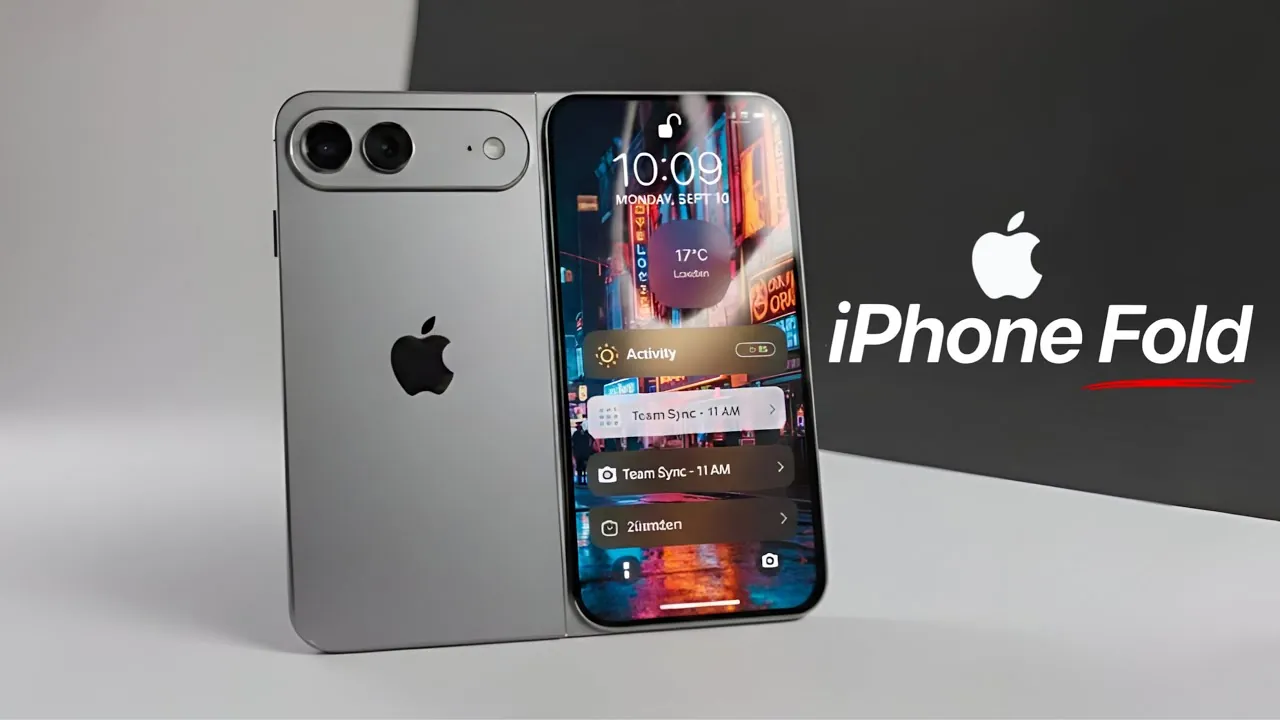
Apple’s anticipated entry into the foldable smartphone market with the iPhone Fold in 2026 has sparked widespread interest and debate. Meanwhile, Samsung, a pioneer in foldable technology, is preparing to launch its Galaxy Z Fold 8, continuing its legacy of innovation in this niche. This competition between two tech giants highlights their differing approaches: Samsung’s years of refinement versus Apple’s potential to redefine the foldable experience through its design philosophy and ecosystem integration. Understanding the strengths and features of these devices is essential to grasp their potential impact on the foldable phone market.
Design and Build: Aesthetic Precision vs. Functional Versatility
Samsung’s Galaxy Z Fold 8 maintains its iconic book-style design, offering a wider form factor that enhances multitasking and media consumption. Built with durable materials such as armor aluminum and dual ultra-thin glass, it achieves a balance between robustness and a lightweight feel. The hinge mechanism has been further refined, making sure smoother operation and increased durability.
Apple’s iPhone Fold, on the other hand, is rumored to adopt a more compact, wallet-like book-style design. Using premium materials like aluminum, titanium, and potentially a ceramic shield, Apple aims to deliver a device that is both elegant and durable. This design is expected to prioritize portability, making it an attractive option for users seeking a sleeker, more manageable foldable phone.
While Samsung’s design emphasizes versatility and a larger display, Apple’s approach leans toward portability and aesthetic precision. Your decision may hinge on whether you value a larger screen for productivity or a compact device for everyday convenience.
Display Technology: Immersive Visuals or Practical Usability?
The Galaxy Z Fold 8 features an expansive 8-inch dynamic AMOLED inner display with a 120Hz refresh rate and HDR support, delivering vibrant colors and smooth visuals. Its dual ultra-thin glass construction minimizes the crease, enhancing the immersive experience. The outer display is also optimized for quick tasks and notifications, making it a versatile option for various use cases.
Apple’s iPhone Fold is rumored to include a slightly smaller 7.8-inch OLED inner display, designed to minimize crease visibility. While details about the outer display remain speculative, it is expected to cater to single-handed usability, aligning with Apple’s focus on user-friendly design.
Samsung’s larger screen is ideal for users who prioritize immersive media consumption and multitasking, while Apple’s compact display may appeal to those who value practicality and ease of use in a foldable format.
Durability and Resistance: Established Standards vs. Anticipated Excellence
Samsung has consistently set high standards for durability in its foldable devices, and the Galaxy Z Fold 8 is no exception. With an IP48 water and dust resistance rating, it is built to withstand challenging environments. The use of advanced materials like armor aluminum and dual ultra-thin glass further reinforces its durability.
Apple’s iPhone Fold, while yet to disclose its official IP rating, is expected to uphold Apple’s reputation for robust design. The rumored use of titanium and ceramic shield materials could enhance its resilience, potentially matching or exceeding industry benchmarks.
For users concerned about durability, Samsung’s proven track record offers reassurance, while Apple’s anticipated innovations could provide a compelling alternative.
Performance and Hardware: Power Meets Optimization
The Galaxy Z Fold 8 is expected to be powered by the Exynos 2600 processor, built on a innovative 2nm process. Paired with 12GB of RAM and up to 512GB of storage, it is designed to handle multitasking and demanding applications with ease. This hardware configuration ensures a smooth and efficient user experience.
Apple’s iPhone Fold is likely to debut with the A20 chip, using a 3nm process. Combined with 12GB of RAM and similar storage options, the A20 chip is expected to deliver superior performance, energy efficiency, and seamless integration with iOS 27.
The choice between these devices may depend on your ecosystem preference, as both offer top-tier performance tailored to their respective platforms.
Software and Ecosystem: Customization vs. Seamless Integration
Samsung’s Galaxy Z Fold 8 will run on Android 16 with the latest iteration of One UI, offering extensive customization options and a user-friendly interface. Regular updates, including the anticipated Android 17, ensure long-term software support and feature enhancements.
Apple’s iPhone Fold, powered by iOS 27, will seamlessly integrate with the Apple ecosystem. Features like iCloud, AirDrop, and MagSafe compatibility enhance its functionality, making it an ideal choice for users already invested in Apple’s ecosystem.
For those who value customization and flexibility, Samsung’s software may be more appealing. Conversely, Apple’s seamless integration and intuitive design could attract users seeking a cohesive digital experience.
Camera Systems: Advanced Hardware vs. Computational Excellence
The Galaxy Z Fold 8 features a triple-camera setup, including a 200MP main sensor, a 12MP ultrawide lens, and a 10MP telephoto lens with 3x optical zoom. This configuration is designed to deliver exceptional image quality and versatility, catering to photography enthusiasts.
Apple’s iPhone Fold is rumored to feature a dual-camera system with two 48MP sensors for wide and ultrawide shots. Additionally, an 18MP front camera with Center Stage support enhances video calls and selfies. Apple’s emphasis on computational photography could enable it to compete with Samsung’s hardware-driven approach.
Your choice may depend on whether you prioritize advanced hardware capabilities or the benefits of computational photography for everyday use.
Battery and Charging: Endurance vs. Convenience
The Galaxy Z Fold 8 is expected to include a 4,400mAh battery with 25W wired and 15W wireless charging capabilities. This ensures reliable performance throughout the day, with fast charging options for added convenience.
Apple’s iPhone Fold is rumored to feature a slightly larger 4,700mAh battery. While specific charging speeds remain undisclosed, the inclusion of MagSafe technology could offer a more convenient and versatile charging experience.
Battery life and charging efficiency will be critical factors for users who rely heavily on their devices, making these features a key consideration in choosing between the two.
Market Dynamics: Leadership vs. Disruption
Samsung’s dominance in the foldable phone market is built on years of innovation, customer feedback, and iterative improvements. The Galaxy Z Fold 8 represents the culmination of this expertise, offering a refined and feature-rich device.
Apple’s entry into the foldable market with the iPhone Fold has the potential to disrupt the status quo. With its strong brand loyalty and ecosystem integration, Apple could make foldable phones more mainstream, particularly in regions like the U.S., where its influence is unparalleled.
This rivalry between Samsung and Apple is likely to drive further advancements in foldable technology, ultimately benefiting consumers by expanding their options and pushing the boundaries of what these devices can achieve.
Uncover more insights about Foldable iPhone in previous articles we have written.
Source & Image Credit: Demon’s Tech
Filed Under: Apple, Apple iPhone, Top News
Latest Geeky Gadgets Deals
Disclosure: Some of our articles include affiliate links. If you buy something through one of these links, Geeky Gadgets may earn an affiliate commission. Learn about our Disclosure Policy.
Credit: Source link