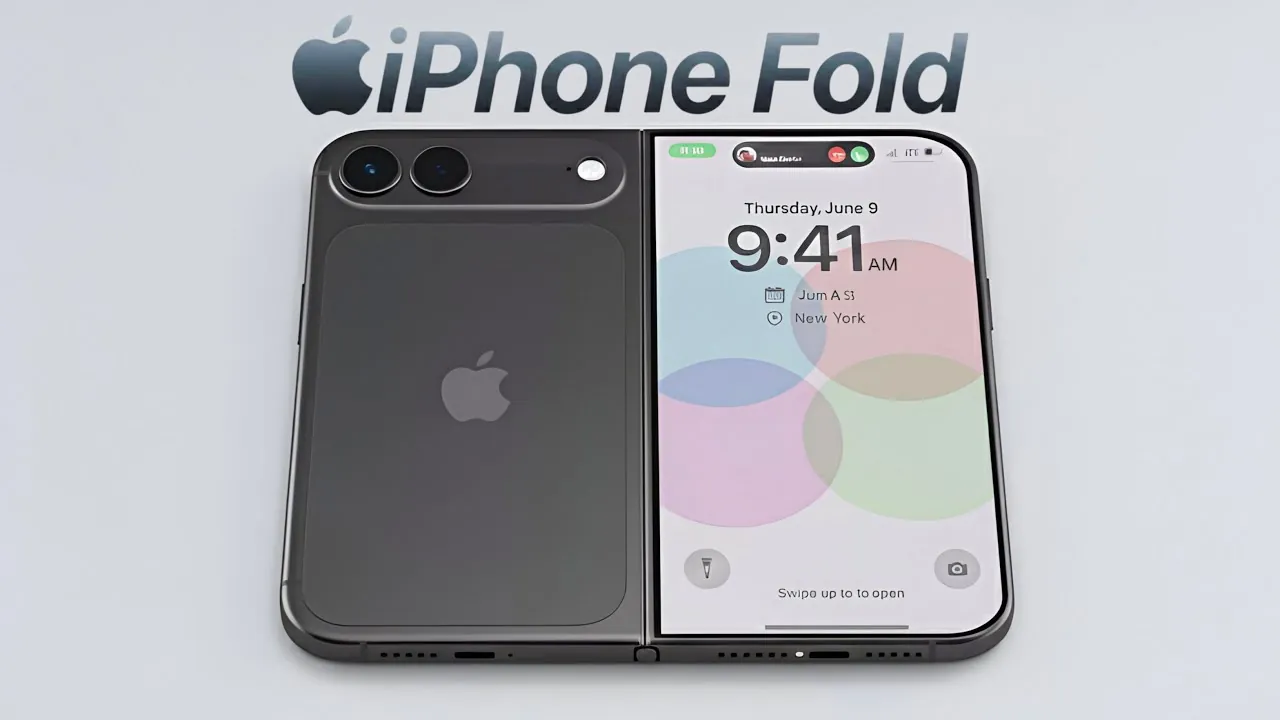
Apple and Samsung are poised to redefine the foldable smartphone market with their highly anticipated devices, set for release in 2026. Both companies are reportedly focusing on wider foldable designs, addressing key challenges such as awkward dimensions, visible creases, and limited functionality. These advancements could mark a significant evolution in foldable technology, potentially reshaping how users engage with their devices in everyday life.

The Importance of Wider Foldable Designs
The upcoming foldable smartphones from Apple and Samsung are expected to feature wider outer displays and square-like inner screens, offering a seamless transition between phone and tablet modes. This design approach aims to enhance usability across various scenarios, from multitasking to media consumption.
- Outer Display: A wider outer screen enables you to perform quick tasks such as texting, browsing, or checking notifications without the need to unfold the device.
- Inner Screen: The square inner screen provides a tablet-like experience, ideal for productivity apps, immersive video streaming, and gaming.
By improving ergonomics and functionality, these wider designs promise a more practical and comfortable user experience, whether the device is folded or unfolded. This shift could make foldable smartphones more appealing to a broader audience, bridging the gap between traditional smartphones and tablets.
Apple vs. Samsung: Contrasting Design Philosophies
Apple and Samsung are taking distinct approaches to the design of their foldable devices, reflecting their unique brand identities and philosophies. These differences could play a pivotal role in shaping consumer preferences.
- Samsung: Samsung is expected to maintain its signature industrial design, featuring sharp, squared-off edges and a minimalist aesthetic. This design caters to users who value a professional, clean look.
- Apple: Apple is likely to prioritize ergonomic comfort, incorporating rounded corners and softer edges. This aligns with the company’s focus on creating devices that feel intuitive and natural in your hands.
The choice between these designs will ultimately depend on your personal preferences. Whether you prioritize sleek professionalism or ergonomic comfort, both brands aim to deliver a premium experience tailored to different user needs.
Aspect Ratio: Enhancing Usability and Familiarity
Both Apple and Samsung are rumored to adopt a 4:3 aspect ratio for their foldable inner displays. This configuration mirrors the proportions of an iPad, offering a familiar and versatile viewing experience that caters to a variety of use cases.
- Content Display: The 4:3 aspect ratio minimizes cropping or distortion when viewing documents, photos, or videos, making sure a more natural presentation of content.
- Multitasking: This aspect ratio is particularly beneficial for split-screen functionality, allowing you to run two apps side by side without feeling constrained by limited screen space.
For professionals and creatives, this design could position foldable devices as a practical alternative to traditional tablets, offering both portability and productivity in a single device.
Addressing the Crease Challenge
One of the most persistent issues in foldable smartphone design is the visibility of the crease where the screen folds. Samsung has already made notable progress in reducing crease prominence with its recent devices, and Apple is reportedly developing its own solutions to tackle this challenge. While the effectiveness of these efforts remains to be seen, any improvement in crease visibility would significantly enhance the overall user experience. A smoother, less noticeable crease could make foldable devices more visually appealing and functional, further driving their adoption.
Color Customization: Bold Choices vs. Timeless Elegance
Color options are another area where Apple and Samsung are expected to diverge, reflecting their respective brand identities and target audiences.
- Samsung: Samsung is likely to offer a variety of vibrant and playful colors, appealing to users who want their devices to stand out as bold, expressive accessories.
- Apple: Apple is expected to stick with its classic black, white, and neutral tones, emphasizing timeless elegance and simplicity over bold experimentation.
These aesthetic choices could influence your decision, depending on whether you prefer a device that makes a statement or one that exudes understated sophistication.
Challenges to Widespread Adoption
Despite the advancements in design and functionality, several challenges remain for foldable smartphones to achieve mainstream popularity. These hurdles highlight the complexities of bringing innovative technology to a broader audience.
- High Price Points: Foldable smartphones continue to be significantly more expensive than traditional models, making them less accessible to the average consumer.
- Durability Concerns: Questions about the long-term reliability of foldable screens and hinges persist, particularly regarding wear and tear from repeated folding.
- Niche Appeal: Foldable devices currently cater to a specific audience, such as tech enthusiasts and early adopters, limiting their broader market appeal.
Addressing these challenges will be crucial for Apple and Samsung as they aim to expand the appeal of foldable smartphones beyond niche markets. Innovations in durability, cost reduction, and usability could help bridge the gap between early adopters and mainstream consumers.
Anticipating the 2026 Launch and Market Impact
The iPhone Fold and Samsung’s next-generation foldable devices are expected to debut in 2026, setting the stage for a highly competitive year in the smartphone market. This timeline provides both companies with ample opportunity to refine their designs, address technical challenges, and deliver products that meet consumer expectations.
As the launch approaches, the rivalry between Apple and Samsung is likely to intensify, driving innovation and setting new benchmarks for the industry. The success of these devices will depend on their ability to balance innovative features with practical usability, making foldable smartphones a viable choice for a wider audience.
By focusing on wider designs, ergonomic improvements, and enhanced usability, Apple and Samsung are taking significant steps toward redefining the foldable smartphone experience. Whether you’re a tech enthusiast eager to explore the latest innovations or a casual user seeking a versatile device, the next generation of foldables promises to deliver a compelling blend of functionality and style. The year 2026 could mark a turning point for foldable technology, shaping the future of how we interact with our devices.
Master Foldable smartphones with the help of our in-depth articles and helpful guides.
Source & Image Credit: Demon’s Tech
Filed Under: Android News, Apple iPhone, Mobile Phone News, Top News
Latest Geeky Gadgets Deals
Disclosure: Some of our articles include affiliate links. If you buy something through one of these links, Geeky Gadgets may earn an affiliate commission. Learn about our Disclosure Policy.
Credit: Source link