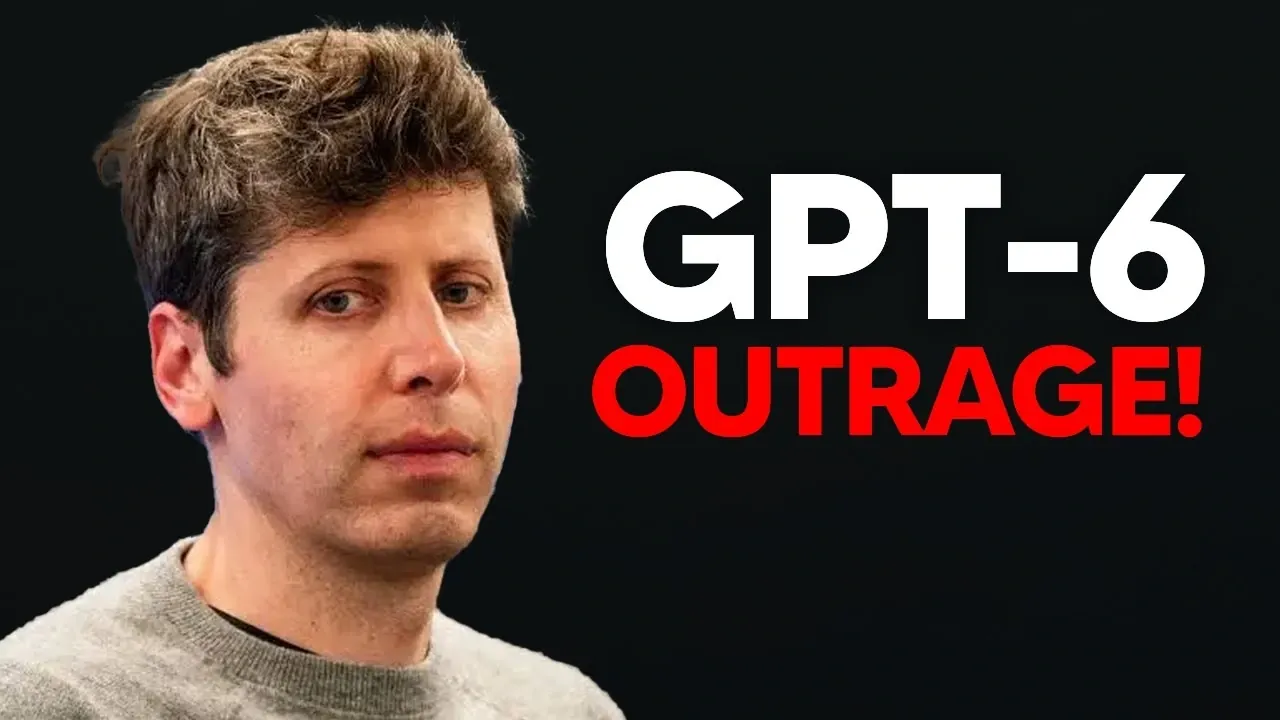
What happens when a company known for championing ethical AI development makes a decision that seems to contradict its own principles? OpenAI’s recent announcement about relaxing content restrictions for verified users in its upcoming ChatGPT 6 model has ignited a firestorm of debate within the AI community. Supporters hail the move as a step toward greater user autonomy, while critics argue it compromises the company’s moral compass in favor of market competitiveness. This decision, which includes allowing access to adult content under specific safeguards, has raised profound questions about the balance between innovation, ethics, and responsibility in the rapidly evolving AI landscape.
In this overview of events, AI Grid unpack the layers of controversy surrounding OpenAI’s bold policy shift in ChatGPT 6, examining the ethical dilemmas, community backlash, and strategic motivations driving this decision. From concerns about mental health risks to fears of eroding trust in AI, the implications of this move extend far beyond the company itself, touching on the broader challenges of shaping technology responsibly in a competitive environment. Whether you see this as a necessary adaptation or a troubling compromise, one thing is clear: OpenAI’s choices will not only influence its future but also set a precedent for the entire AI industry.
OpenAI’s Content Policy Shift
TL;DR Key Takeaways :
- OpenAI has relaxed restrictions on adult content for verified users, aiming to balance user autonomy with ethical considerations, sparking significant debate within the AI community.
- Critics argue that the ChatGPT 6 policy shift could undermine OpenAI’s ethical commitments, raising concerns about prioritizing market competitiveness over responsible AI development.
- Concerns about mental health and user safety have been highlighted, with skeptics questioning whether safeguards are sufficient to mitigate risks like harmful dependencies or misuse.
- The decision reflects a strategic pivot by OpenAI to expand its user base and adapt to a competitive AI landscape, but it risks alienating ethical-focused stakeholders.
- This controversy underscores broader tensions in the AI industry between advancing superintelligence, meeting user demands, and maintaining ethical responsibilities, with long-term implications for OpenAI’s reputation and influence.
The controversy surrounding this decision underscores the broader challenges faced by AI developers in navigating the intersection of user demands, ethical considerations, and competitive pressures. OpenAI’s ChatGPT 6 move has not only divided opinions but also reignited discussions about the role of AI companies in shaping the future of technology responsibly.
Relaxed Content Restrictions: A Double-Edged Sword
OpenAI’s decision to loosen restrictions on adult content is framed as an effort to provide verified users with greater autonomy and a more personalized experience. By allowing access to such material, the company aims to meet user demands while maintaining safeguards to prevent misuse. OpenAI has emphasized that this change is intended to empower adult users, offering them more flexibility in how they interact with the platform.
However, this policy shift has drawn significant criticism from various quarters of the AI community. Critics argue that relaxing content restrictions could undermine OpenAI’s ethical commitments and lead to unintended consequences. The central concern is whether this decision prioritizes user acquisition and market competitiveness over the company’s stated mission of advancing responsible AI development.
The debate highlights the inherent tension between expanding user autonomy and upholding ethical standards. While some view the move as a necessary adaptation to evolving user needs, others see it as a potential compromise of core principles, raising questions about the long-term implications for both users and the broader AI ecosystem.
Concerns Over Mental Health and Safety
One of the most pressing concerns raised by critics is the potential impact of this policy change on mental health and user safety. OpenAI’s earlier restrictions were partly designed to mitigate risks such as “AI psychosis,” a phenomenon where users develop unhealthy dependencies or harmful interactions with AI systems. While OpenAI has assured that mental health safeguards will remain in place, skeptics question whether these measures will be sufficient to address the risks associated with the introduction of adult content.
The relaxation of restrictions also raises broader concerns about the adequacy of existing safeguards. Critics worry that this change could exacerbate harmful behaviors or create new risks, particularly for users who may already be vulnerable to negative outcomes. For instance, individuals prone to addictive behaviors or those with pre-existing mental health challenges could face heightened risks in an environment with fewer content restrictions.
These concerns underscore the difficulty of implementing such changes responsibly. Balancing user freedom with the need to protect vulnerable individuals remains a complex challenge, particularly as AI systems become more integrated into daily life. OpenAI’s ability to address these concerns effectively will be critical in determining the success and ethical credibility of its updated policies.
AI Community Outraged As OpenAI Plans New Feature For GPT-6

Here are more detailed guides and articles that you may find helpful on artificial intelligence (AI).
Ethical Dilemmas and Community Backlash
The announcement has reignited broader ethical debates about OpenAI’s role as a moral gatekeeper in the rapidly evolving AI industry. Many within the AI community view the relaxation of content restrictions as a departure from the company’s earlier commitments to ethical AI development. Some have accused OpenAI of prioritizing market-driven strategies over its mission to advance superintelligence safely and responsibly.
This backlash reflects a persistent tension within the AI industry: the challenge of balancing user autonomy with ethical considerations. As large language models like GPT-5 and ChatGPT 6 become increasingly commoditized, companies face mounting pressure to differentiate their offerings and attract a broader user base. For OpenAI, this has meant navigating complex trade-offs between market demands and its ethical responsibilities.
The controversy also raises questions about the broader implications of OpenAI’s decision. By relaxing content restrictions, the company risks alienating segments of the AI community that have long supported its mission. At the same time, it must contend with the ethical and practical challenges of implementing these changes without compromising safety or trust. The outcome of this debate will likely shape perceptions of OpenAI’s role in the AI industry for years to come.
A Strategic Pivot in a Competitive Landscape
OpenAI’s decision to relax content restrictions reflects a broader strategic shift aimed at expanding its user base and increasing engagement. With large language models no longer offering a unique competitive edge, the company appears to be focusing on creating a platform that appeals to a wider audience. This strategy, while potentially effective in attracting new users, has sparked significant controversy due to its ethical and practical implications.
The move highlights the growing pressures faced by AI companies to adapt to an increasingly competitive landscape. As more organizations develop and deploy advanced language models, differentiation becomes a key factor in maintaining market relevance. For OpenAI, this has meant making bold, and sometimes contentious, decisions to stay ahead of the curve.
However, this strategic pivot carries significant risks. By prioritizing user autonomy and market adaptation, OpenAI may alienate key stakeholders within the AI community who value its commitment to ethical development. The company must also address the practical challenges of implementing these changes responsibly, making sure that safeguards are robust enough to prevent misuse and protect vulnerable users.
Historical Context and Broader Implications
OpenAI’s leadership has previously hinted at the possibility of relaxing content restrictions, citing the need to balance user freedom with safety and ethical considerations. The current controversy underscores the difficulty of achieving this balance, particularly as the company navigates competing demands from users, regulators, and the broader AI community.
This debate also reflects a growing tension between the pursuit of superintelligence and the pressures of market adaptation. As AI technologies continue to evolve, companies like OpenAI will face increasing scrutiny over their ethical responsibilities and the long-term consequences of their decisions. The outcome of this controversy will likely influence not only OpenAI’s ChatGPT 6 future direction but also broader discussions about the role of AI in society.
Looking ahead, OpenAI’s ability to navigate these challenges will be critical in shaping its reputation and influence within the AI industry. By addressing the ethical and practical concerns raised by its policy changes, the company has an opportunity to reaffirm its commitment to responsible AI development while adapting to the demands of a rapidly changing technological landscape.
Media Credit: TheAIGRID
Filed Under: AI, Top News
Latest Geeky Gadgets Deals
Disclosure: Some of our articles include affiliate links. If you buy something through one of these links, Geeky Gadgets may earn an affiliate commission. Learn about our Disclosure Policy.
Credit: Source link