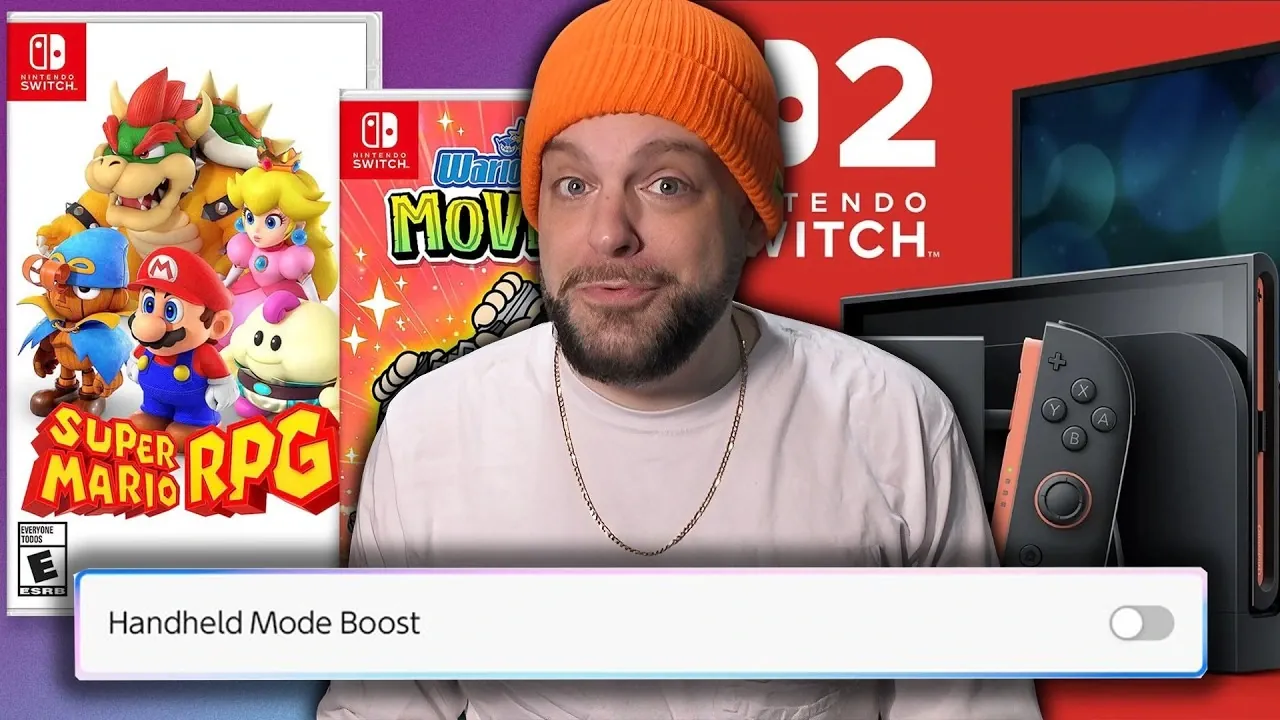
The latest firmware update for the Nintendo Switch 2, version 22.0.0, introduces a range of features aimed at enhancing both performance and usability. As highlighted by RGT 85, one of the standout additions is the “Handheld Mode Boost”, which allows older Switch games to run with TV mode settings while in handheld mode. This improvement addresses a long-standing challenge of the original Switch, where portable play often meant sacrificing resolution and visual quality. However, the feature comes with trade-offs, such as increased battery consumption and the temporary disabling of touchscreen functionality when active, making it a strategic choice for players depending on their gameplay needs.
Explore how this update reshapes the multiplayer experience with upgraded game chat functionality, allowing smoother friend invites and clearer screen-sharing during sessions. Gain insight into the optimization of legacy games, which now benefit from sharper graphics and improved resolution in handheld mode. Additionally, the overview touches on the potential future integration of Nvidia’s DLSS technology, hinting at exciting possibilities for enhanced visuals and performance down the line. These developments collectively highlight Nintendo’s efforts to refine the Switch 2 ecosystem while maintaining compatibility with its extensive game library.
Nintendo Switch 2 Update Highlights
TL;DR Key Takeaways :
- Handheld Mode Boost: The update introduces “Handheld Mode Boost,” allowing older games to run with TV mode settings in handheld mode, offering sharper graphics and improved resolution, though at the cost of increased power consumption and disabled touchscreen functionality.
- Game Chat Enhancements: Multiplayer communication is improved with the ability to invite friends to active game chat rooms without restarting sessions, alongside clearer visuals during shared gameplay moments.
- Screen-Sharing Improvements: Enhanced screen-sharing capabilities provide sharper, more vibrant visuals, improving both cooperative and competitive gaming experiences.
- Legacy Game Optimization: Older Nintendo Switch titles now benefit from improved graphics in handheld mode, encouraging players to revisit classic games with enhanced visual quality.
- Future Potential with DLSS: The update hints at potential integration of Nvidia’s DLSS technology, showcasing Nintendo’s interest in using AI-driven upscaling for future advancements in gaming visuals and performance.
Handheld Mode Boost: Elevating Portable Performance
The standout feature of this update is the “Handheld Mode Boost”, which allows older Nintendo Switch games to run with TV mode settings while in handheld mode on the Switch 2. Historically, the original Nintendo Switch struggled to maintain high resolution and visual fidelity in portable mode, often resulting in a less immersive experience. With this enhancement, legacy titles now display sharper graphics and improved resolution, offering players a more visually engaging experience on the go.
However, this feature comes with certain trade-offs. Activating Handheld Mode Boost increases power consumption, which can lead to a shortened battery life. Additionally, while the feature is active, touchscreen functionality is temporarily disabled, limiting interaction options for certain games. Despite these limitations, the boost represents a significant step forward in handheld gaming, particularly for titles that previously suffered from reduced clarity in portable mode. This improvement ensures that players can enjoy a more consistent and immersive experience, whether docked or on the move.
Game Chat Enhancements: Smoother Multiplayer Interactions
The update also introduces substantial upgrades to the game chat system, making multiplayer communication more seamless and accessible. Players can now invite friends to active game chat rooms without restarting the session, streamlining the process of connecting with others during gameplay. This enhancement is particularly valuable in fast-paced multiplayer environments, where smooth communication can make a significant difference.
In addition to improved functionality, the quality of shared game screens during chat sessions has been enhanced. Visuals are now clearer and more detailed, making sure a better experience when sharing gameplay moments with friends or teammates. These updates align with Nintendo’s broader efforts to improve the Nintendo Switch Online Expansion Pack, further enriching the online multiplayer ecosystem. By addressing these key aspects of multiplayer gaming, Nintendo continues to foster a more engaging and user-friendly experience for its community.

Check out more relevant guides from our extensive collection on Switch 2 that you might find useful.
Screen-Sharing and DLSS: Enhanced Visuals and Future Potential
Screen-sharing capabilities have been significantly improved in this update, using the advanced processing power of the Switch 2. Shared gameplay visuals are now sharper, more vibrant and detailed, benefiting both cooperative and competitive gaming scenarios. Clearer visuals not only enhance the enjoyment of shared experiences but also improve strategic gameplay, particularly in team-based or competitive settings.
Additionally, the update hints at the potential integration of Nvidia’s DLSS (Deep Learning Super Sampling) technology in future developments. DLSS employs AI-driven algorithms to upscale lower-resolution images, delivering visuals that approach native quality while maintaining high performance. Although DLSS is not explicitly implemented in this update, its mention within the Switch 2 ecosystem suggests that Nintendo is exploring innovative technologies to further enhance the platform’s capabilities. This forward-thinking approach positions the Switch 2 as a device that can adapt to the evolving demands of modern gaming.
Legacy Game Optimization: Breathing New Life into Classics
One of the most exciting aspects of firmware update 22.0.0 is its impact on legacy games. Many older Nintendo Switch titles, which previously struggled with subpar visuals in handheld mode, now benefit from the enhanced hardware capabilities of the Switch 2. Games that once appeared blurry or pixelated on the original console can now be enjoyed with sharper, clearer graphics, making them more visually appealing and immersive.
This optimization encourages players to revisit classic titles that may have been overlooked due to technical limitations. By improving the visual quality of its existing library, Nintendo not only enhances the value of its platform but also strengthens its appeal to both new and returning players. This focus on revitalizing older games demonstrates Nintendo’s dedication to preserving its rich gaming history while making sure compatibility with modern hardware advancements.
Advancing the Nintendo Switch 2 Ecosystem
Firmware update 22.0.0 underscores Nintendo’s commitment to addressing past hardware limitations while pushing the boundaries of what the Switch 2 can achieve. Features like Handheld Mode Boost and game chat enhancements highlight the company’s focus on improving the user experience and making sure that the platform remains versatile and competitive. Meanwhile, the potential integration of technologies like DLSS signals Nintendo’s ambition to stay at the forefront of gaming innovation.
As the gaming industry continues to evolve, the Nintendo Switch 2 is well-positioned to adapt and thrive. This update not only enhances the current gaming experience but also lays the groundwork for future advancements, making sure that the Switch 2 remains a compelling choice for gamers worldwide. By combining hardware improvements with thoughtful software updates, Nintendo continues to solidify its reputation as a leader in the gaming industry.
Media Credit: RGT 85
Filed Under: Gaming News, Top News
Disclosure: Some of our articles include affiliate links. If you buy something through one of these links, Geeky Gadgets may earn an affiliate commission. Learn about our Disclosure Policy.
Credit: Source link