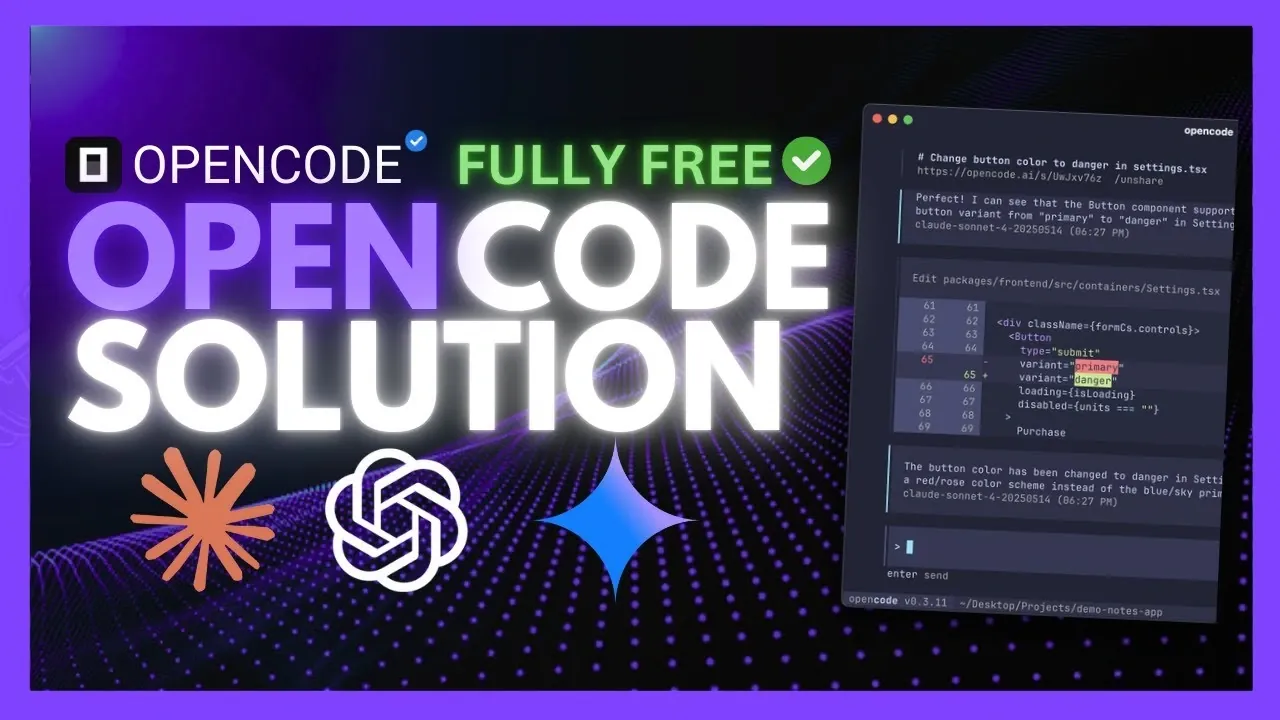
What if the solution to your AI access headaches was not only free but also smarter than anything you’ve tried before? In this breakdown, World of AI walks through how a combination of OpenCode and Antigravity’s innovative authentication features is reshaping the way developers interact with multimodel AI platforms. With Anthropic’s recent crackdown on unauthorized access to Claude Pro and Max, many developers have been left scrambling for alternatives that don’t compromise on efficiency or affordability. This overview dives into how Antigravity’s free tier, paired with OpenCode’s seamless integration, offers a bold workaround to these restrictions, one that’s both compliant and surprisingly effective. Imagine restoring your workflow without the constant fear of account bans or rate limits.
But this isn’t just about patching up broken systems, it’s about rethinking how we access AI altogether. From automatic account rotation to enhanced multimodel compatibility, the solutions explored here promise more than just a quick fix. You’ll discover how Antigravity’s approach aligns with the growing demand for cost-effective, developer-friendly AI access, and why it’s gaining traction as a practical alternative to premium services. Whether you’re navigating Anthropic’s new safeguards or simply looking to optimize your setup, this guide offers insights that could redefine how you approach AI integration. The question is: are you ready to embrace a smarter, more adaptable future?
AI Access and Security Updates
TL;DR Key Takeaways :
- Anthropic introduced new safeguards on January 9, 2026, to prevent unauthorized use of subscription credentials for its AI models, disrupting workflows for developers relying on third-party tools like OpenCode.
- Developers face challenges adapting to Anthropic’s restrictions, as tools like OpenCode, which previously offered seamless multimodel access, now encounter reduced functionality and account restrictions.
- OpenAI has adopted a more collaborative approach, supporting third-party tools like OpenCode to foster innovation and accessibility in the AI ecosystem.
- Antigravity has emerged as a cost-effective alternative, offering a free tier integrated with OpenCode, allowing developers to access AI models like Claude and Gemini while adhering to authentication protocols.
- The evolving AI landscape is driving innovation and competition, with diverse models and tools like Miniax and ZAI’s GLM series providing developers with flexible and affordable options.
Impact on Developers and Workflow Challenges
For developers, OpenCode has been an essential tool. This open source command-line interface (CLI) provides multimodel support, enhanced privacy, and a streamlined user experience. However, Anthropic’s new safeguards have significantly reduced the tool’s functionality, particularly for those using it to access subsidized AI models like Claude. These restrictions have introduced new barriers, forcing developers to adapt their workflows and seek alternatives to maintain productivity.
The changes have disrupted the flexibility and ease of access that many developers previously enjoyed. For instance, developers who relied on OpenCode for its seamless integration with multiple AI models now face challenges in accessing these tools without encountering account restrictions. This shift has created a pressing need for solutions that can restore efficiency while adhering to the new security protocols.
OpenAI’s Collaborative Approach to Third-Party Tools
In contrast to Anthropic’s restrictive measures, OpenAI has embraced a more collaborative approach by supporting third-party tools like OpenCode. This integration with its Codex models fosters a competitive ecosystem for generative coding tools, offering developers a reliable and flexible alternative. OpenAI’s openness to third-party integrations reflects a broader industry trend toward collaboration and innovation, making sure developers have access to diverse tools and models.
By supporting third-party tools, OpenAI has positioned itself as a leader in promoting accessibility and innovation within the AI landscape. This strategy not only enhances the user experience but also encourages the development of new tools and technologies that can further advance the capabilities of generative AI.
Opencode + Antigravity oAuth Fixes Everything!

Below are more guides on Anthropic from our extensive range of articles.
Antigravity’s Free Tier: A Practical and Cost-Effective Alternative
Amid these changes, Antigravity has emerged as a promising alternative for developers seeking cost-effective solutions. Its free tier, now integrated with OpenCode, provides rate-limited access to models such as Claude and Gemini. Key features include automatic account rotation, which allows users to bypass rate limits while adhering to authentication protocols. This functionality ensures that developers can maintain access to essential AI resources without incurring significant costs.
Antigravity’s approach aligns with the needs of developers who prioritize affordability and compliance. By offering a practical solution that balances cost and functionality, Antigravity has positioned itself as a significant player in the evolving AI ecosystem. Its integration with OpenCode further enhances its appeal, providing developers with a seamless and efficient way to access multiple AI models.
Exploring Additional AI Model Options
Beyond Antigravity, other AI models such as Miniax and ZAI’s GLM series are gaining traction among developers. These models, also accessible through OpenCode, offer varying levels of quality and affordability. While they may not fully match the capabilities of premium models like Claude Pro or Max, they provide valuable alternatives for developers seeking flexibility and cost-effective solutions.
The availability of these models highlights the growing diversity within the AI landscape. Developers now have access to a wide range of tools and technologies, allowing them to choose solutions that best meet their specific needs. This diversity fosters innovation and competition, driving the development of new models and features that can further enhance the capabilities of generative AI.
Streamlining Integration and Configuration
Integrating alternatives like Antigravity and other models into OpenCode is a straightforward process. Developers can configure these tools using terminal commands or manual setup processes, making sure a smooth transition despite recent restrictions. Features such as multi-account rotation and robust authentication methods enhance usability, allowing developers to maintain efficient workflows while adhering to security protocols.
These technical safeguards align with industry best practices, promoting secure and reliable access to AI services. By streamlining the integration and configuration process, developers can quickly adapt to the new landscape and continue using the benefits of multimodel AI environments.
The Future of AI Access: Balancing Security and Innovation
Looking ahead, Anthropic is expected to implement additional measures to further restrict unauthorized access to its AI models. While these actions may create new challenges for developers, they also have the potential to drive innovation and competition within the AI ecosystem. Companies like OpenAI and Antigravity are likely to continue developing user-friendly tools and plans, making sure that developers have access to advanced AI models and technologies.
This competitive environment promises a more dynamic and inclusive landscape for developers. As the AI industry evolves, the balance between security and accessibility will remain a central focus, shaping the future of generative coding tools and multimodel AI integration. By fostering collaboration and innovation, the industry can ensure that developers have the resources they need to succeed in an increasingly complex and competitive environment.
Media Credit: WorldofAI
Filed Under: AI, Guides
Latest Geeky Gadgets Deals
Disclosure: Some of our articles include affiliate links. If you buy something through one of these links, Geeky Gadgets may earn an affiliate commission. Learn about our Disclosure Policy.
Credit: Source link