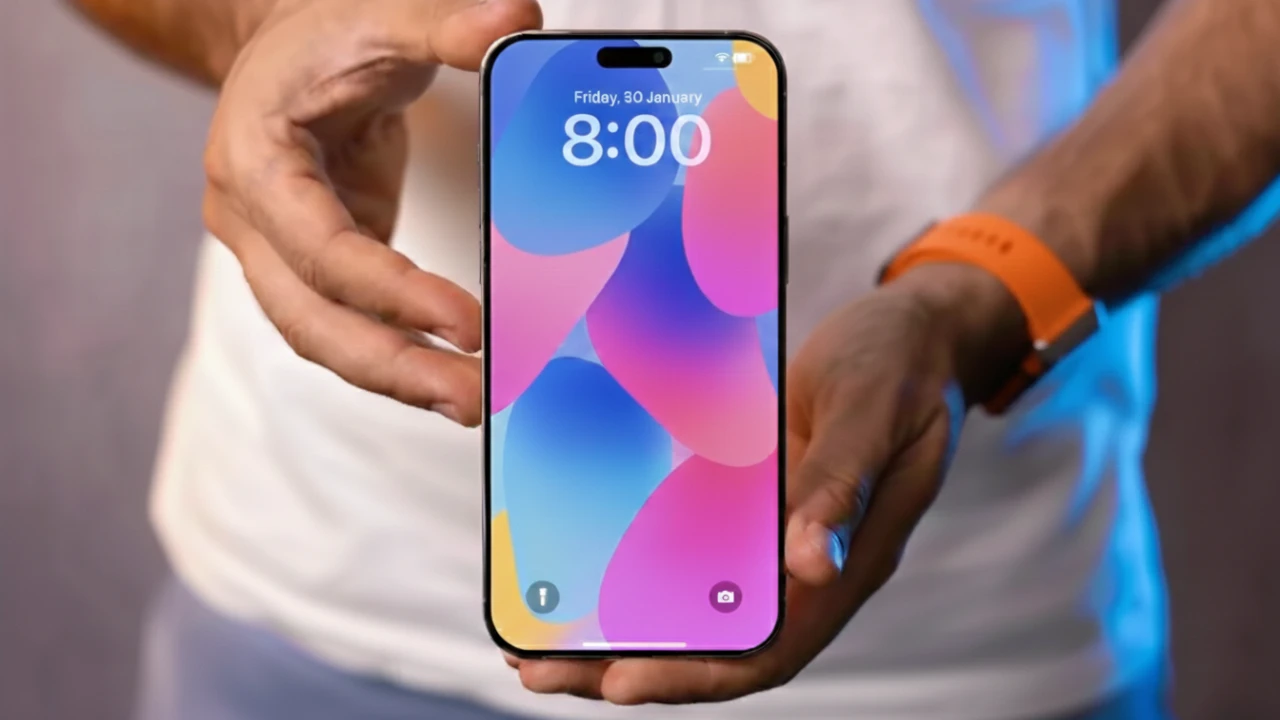
Apple is reportedly exploring advanced camera technologies for its upcoming iPhone 18 Pro Max, aiming to deliver professional-grade photography capabilities in a compact, user-friendly device. These innovations could redefine smartphone photography, offering tools traditionally associated with high-end cameras. However, the final feature set remains uncertain as Apple works to overcome technical and performance challenges.

Teleconverter Camera: Precision Zoom Without Sacrificing Quality
One of the most anticipated features is the integration of teleconverter technology directly into the camera module. This advancement promises to enhance optical zoom capabilities, eliminating the need for digital cropping or external accessories. By focusing on optical zoom, the teleconverter ensures that images retain their sharpness and detail, even at higher zoom levels.
Imagine capturing wildlife from a distance or zooming in on intricate architectural details. The teleconverter could deliver high-resolution images without compromising quality. However, this technology comes with its own set of challenges. Higher zoom levels often reduce the amount of light entering the lens, which can affect image brightness and sharpness. Additionally, maintaining consistent color accuracy and contrast at extreme zoom levels remains a technical hurdle that Apple must address.
Variable Aperture: Versatility in Any Lighting Condition
Another potential innovation is the inclusion of a variable aperture system, which allows the camera to adjust its lens aperture based on the lighting environment. This feature offers greater flexibility for photographers, allowing them to capture sharp, detailed images in bright conditions and clear, noise-free photos in low-light settings.
For example, in bright daylight, a smaller aperture could produce sharper images with enhanced depth of field, making it ideal for landscapes or group shots. Conversely, in dimly lit environments such as a candlelit dinner or a nighttime cityscape, a wider aperture would allow more light to reach the sensor, improving clarity and reducing noise. This functionality mirrors that of professional cameras, positioning the iPhone 18 Pro Max as a versatile tool for a wide range of shooting scenarios. However, integrating a variable aperture into a compact smartphone design presents significant engineering challenges, particularly in making sure the system’s durability and reliability over time.
Low-Light Optimization: Setting a New Benchmark
Low-light photography has been a focal point for smartphone manufacturers, and Apple appears ready to push the boundaries further. By combining teleconverter and variable aperture technologies, the iPhone 18 Pro Max could deliver substantial improvements in dimly lit environments. Enhanced light intake and reduced reliance on digital cropping would result in clearer, more detailed images, even in challenging conditions.
Consider scenarios like capturing a city skyline at night or a cozy indoor gathering. These situations often require professional equipment to achieve high-quality results. However, the iPhone 18 Pro Max could provide comparable performance, making it an attractive option for both casual users and semi-professional photographers. Such advancements would not only enhance the user experience but also position the device as a leader in smartphone photography.
Minimizing Digital Cropping: Enhancing Image Integrity
Digital cropping, commonly used to simulate zoom, often degrades image quality by reducing resolution and detail. The iPhone 18 Pro Max aims to address this limitation by prioritizing optical zoom and advanced image processing. By minimizing the need for digital cropping, the device could produce sharper, more natural-looking photos, even at higher zoom levels.
This improvement would be particularly beneficial for photographers who frequently crop their images during post-processing. Starting with a higher-quality base image ensures that the final results retain more detail and clarity, ultimately elevating the overall photographic experience. This focus on preserving image integrity highlights Apple’s commitment to delivering a superior camera system.
Overcoming Challenges in Implementation
While these technologies hold immense promise, their successful integration into the iPhone 18 Pro Max is not guaranteed. Apple’s rigorous testing process ensures that only features meeting its high standards are included in the final product. For instance, teleconverter technology must address challenges related to light intake and image consistency, while the variable aperture system must prove its reliability within the constraints of a compact smartphone design.
If these challenges cannot be resolved, Apple may delay or even abandon these features. This cautious approach underscores the complexity of incorporating professional-grade technologies into a consumer device. However, Apple’s track record of innovation suggests that the company is well-equipped to navigate these obstacles.
Shaping the Future of Smartphone Photography
If Apple successfully implements these advancements, the iPhone 18 Pro Max could significantly narrow the gap between smartphones and traditional cameras. Features like teleconverter technology, variable aperture, and low-light optimization would appeal to a broad audience, from casual users to photography enthusiasts seeking a portable alternative to bulky camera equipment.
These innovations reflect Apple’s commitment to pushing the boundaries of smartphone photography, setting a new standard for what users can expect from their devices. The iPhone 18 Pro Max has the potential to become a fantastic option in the industry, offering a blend of convenience, versatility, and professional-grade performance that could redefine how we capture and share the world around us.
Below are more guides on the iPhone 18 Pro Max from our extensive range of articles.
Source & Image Credit: Demon’s Tech
Filed Under: Apple, Apple iPhone, Top News
Latest Geeky Gadgets Deals
Disclosure: Some of our articles include affiliate links. If you buy something through one of these links, Geeky Gadgets may earn an affiliate commission. Learn about our Disclosure Policy.
Credit: Source link