
What will gaming look like in 2027? With the Xbox Magnus and PlayStation 6 (PS6) on the horizon, the next generation of consoles promises to push the boundaries of performance, design, and innovation. Microsoft and Sony are set to redefine what gamers can expect from their living rooms, offering vastly different visions of the future. On one side, the Xbox Magnus features unparalleled power, using innovative AI and GPU technology to deliver a premium experience. On the other, the PS6 focuses on efficiency, affordability, and a seamless transition for loyal PlayStation fans. The stakes couldn’t be higher as these gaming giants prepare for an epic showdown that could shape the industry for years to come.
In this overview, Colteastwood explains the key differences between the Xbox Magnus and new upcoming PlayStation 6, from their jaw-dropping hardware specs to their divergent market strategies. You’ll discover how the Magnus’ dual-chiplet architecture and AI-driven gameplay stack up against the PS6’s energy-efficient design and backward compatibility. But it’s not just about performance, price points, ecosystem integration, and even handheld gaming options will play a critical role in determining which console reigns supreme. Whether you’re a power-hungry enthusiast or a value-conscious gamer, the next generation has something for everyone. As we unpack the details, one question lingers: which console will define the future of gaming?
Xbox Magnus vs PS6
TL;DR Key Takeaways :
- The Xbox Magnus and PlayStation 6 (PS6) are set to launch in 2027, promising new performance, enhanced graphics, and innovative gameplay experiences, with unveiling expected in 2026.
- The Xbox Magnus focuses on raw power and versatility, featuring a dual-chiplet AMD architecture, 26 teraflops GPU performance, 48 GB GDDR7 RAM, and a fully digital ecosystem, priced at $800–$1,000.
- The PS6 emphasizes efficiency and affordability, offering 18–20 teraflops GPU performance, 32 GB GDDR7 RAM, backward compatibility with PS4/PS5 games, and support for physical discs, priced at $700–$800.
- Both companies are introducing handheld gaming devices alongside their consoles, with Xbox offering a high-performance Magnus-based handheld and Sony focusing on a more casual, AI-upscaled portable experience.
- Microsoft targets high-performance enthusiasts with the Xbox Magnus, while Sony aims for a broader audience with the PS6, emphasizing affordability, backward compatibility, and ecosystem integration.
Xbox Magnus: Power and Versatility
The Xbox Magnus is designed for gamers who demand exceptional performance and innovative technology. Its standout features include:
- A dual-chiplet AMD architecture integrated with an advanced AI neural processing unit, allowing superior machine learning capabilities for optimized gameplay.
- GPU performance on par with NVIDIA’s RTX 5090, boasting an impressive 26 teraflops of compute power for unparalleled graphical fidelity.
- 48 GB of GDDR7 RAM paired with a 192-bit memory bus, making sure smooth performance even in the most demanding gaming scenarios.
This console embraces a fully digital ecosystem, eliminating physical discs in favor of a hybrid PC-console approach. You’ll gain access to a vast library of games from platforms such as Steam, Epic Games, Ubisoft, and even PlayStation, making it a versatile option for multi-platform gamers. The Xbox Magnus is positioned as a premium product, with an estimated price range of $800–$1,000, reflecting its advanced capabilities.
PlayStation 6: Efficiency and Accessibility
The PlayStation 6 takes a different path, focusing on efficiency, affordability, and user-friendly features without compromising on performance. Key specifications include:
- An AMD Orion APU delivering GPU performance comparable to an RTX 5080, offering 18–20 teraflops of compute power.
- 32 GB of GDDR7 RAM and a 160-bit memory bus, optimized for energy efficiency and consistent performance.
- Support for advanced ray tracing and AI-driven upscaling technology (PSSR 2.0), making sure stunning visuals with minimal hardware strain.
The PS6 maintains backward compatibility with PS4 and PS5 games, providing a seamless transition for existing PlayStation users. Additionally, it is expected to be the final PlayStation console to support physical discs, appealing to gamers who value tangible media. With a price range of $700–$800, the PS6 strikes a balance between performance and affordability, making it an attractive option for a wide audience.
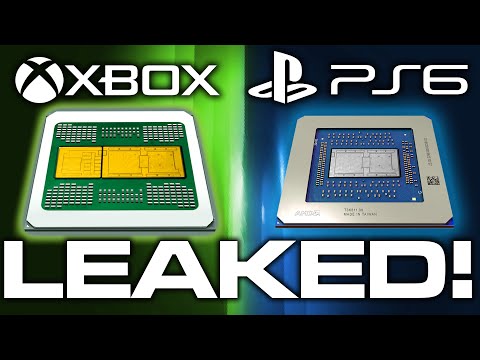
Xbox Magnus v PS6 Power : Next Generation Hardware Coming 2027
Unlock more potential in next generation consoles by reading previous articles we have written.
Performance Showdown
When comparing raw power, the Xbox Magnus emerges as the frontrunner. Its advanced AI processing capabilities, higher memory bandwidth, and superior compute performance give it a 25–33% edge over the PS6. This makes it an ideal choice for gamers who prioritize innovative performance, particularly in graphically intensive titles.
The PS6, however, excels in delivering efficiency and value. Its advanced ray tracing and AI-driven upscaling technologies ensure high-quality visuals without requiring excessive hardware resources. For gamers who prioritize affordability, ecosystem compatibility, and a balanced gaming experience, the PS6 offers a compelling alternative.
Handheld Gaming: Portable Power
Both Microsoft and Sony are venturing into handheld gaming, introducing devices designed to complement their flagship consoles.
- The Xbox handheld will feature a scaled-down Magnus chip, capable of running both console and PC games. This device is aimed at gamers seeking flexibility and portability without sacrificing performance.
- Sony’s handheld will use a lower-power AMD APU, targeting 720p to 1080p gameplay. With AI upscaling, it promises a high-quality experience for gaming on the go, catering to casual and dedicated players alike.
These handheld devices are expected to launch alongside their respective consoles, offering you portable options to enjoy next-generation gaming wherever you go.
Market Strategies: Different Paths to Success
Microsoft and Sony are adopting distinct strategies to capture the gaming market with their next-generation consoles.
- The Xbox Magnus is tailored for a niche audience of high-performance enthusiasts. Its focus on raw power, AI-driven enhancements, and a versatile digital ecosystem positions it as a premium product, with projected sales of 10–20 million units.
- The PS6 aims to appeal to a broader audience by emphasizing affordability, backward compatibility, and ecosystem integration. Its support for both digital and physical media ensures it caters to a diverse range of gamers, reinforcing Sony’s market dominance.
These contrasting approaches highlight the unique strengths of each console, allowing you to choose the one that best aligns with your gaming preferences and priorities.
Release Timeline
Both the Xbox Magnus and PlayStation 6 are slated for unveiling in 2026, with a full launch planned for 2027. Their accompanying handheld devices are expected to debut simultaneously, providing you with a comprehensive suite of next-generation gaming options. As the release date approaches, anticipation continues to build for what promises to be a fantastic era in gaming.
Media Credit: colteastwood
Filed Under: Gaming News, Top News
Latest Geeky Gadgets Deals
Disclosure: Some of our articles include affiliate links. If you buy something through one of these links, Geeky Gadgets may earn an affiliate commission. Learn about our Disclosure Policy.
Credit: Source link