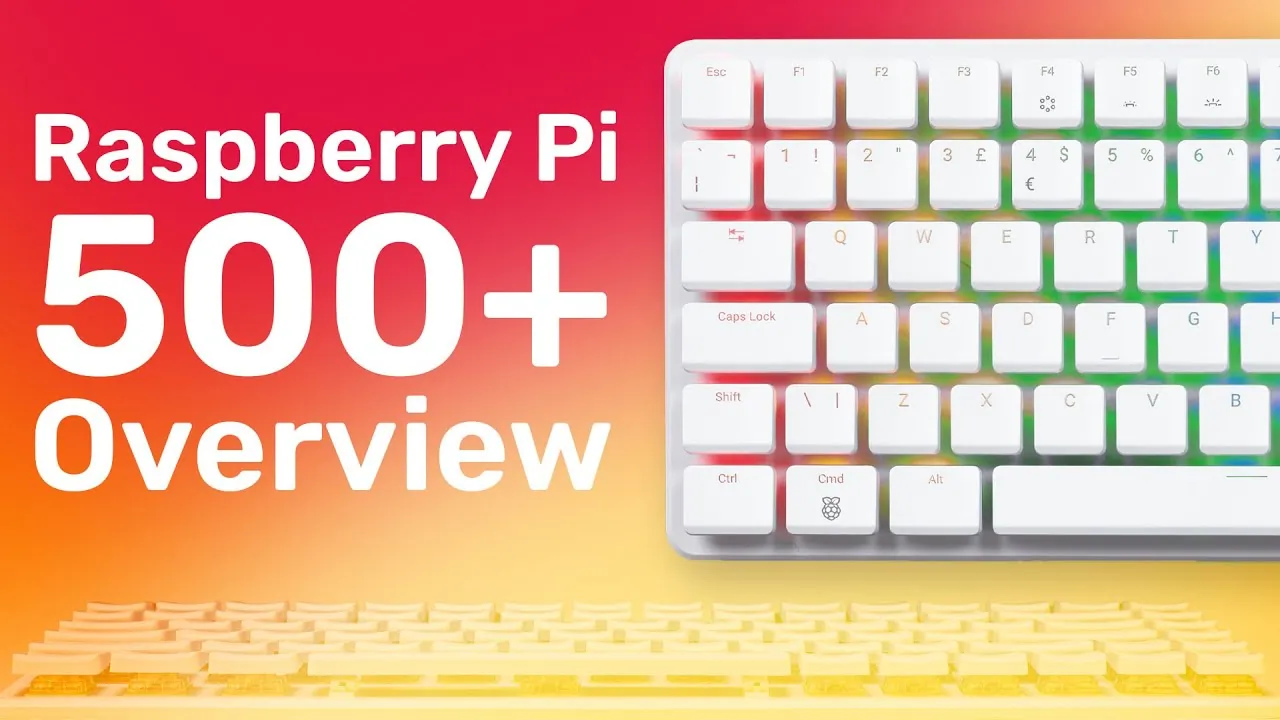
What if your next computer wasn’t a sleek laptop or a bulky desktop, but something entirely unexpected, like a mechanical keyboard? The Raspberry Pi 500 Plus takes this bold concept and makes it a reality, packing the power of a personal computer into the compact form of a keyboard. With its 16GB of RAM, Broadcom D0 chip, and 256GB NVMe SSD, this device promises to handle everything from coding and web browsing to creative DIY projects. But is it just a quirky novelty, or does it truly deliver on its promise of portability and performance? Let’s take a closer look at how this keyboard-PC hybrid challenges traditional computing norms.
In this teardown, Core Electronics uncover the design choices, hardware capabilities, and customization features that make the Raspberry Pi 500 Plus stand out. From its energy-efficient operation to its maker-friendly GPIO pins, this device is more than just a compact Linux-based computer, it’s a playground for hobbyists and a practical tool for educators. Whether you’re curious about its thermal performance, intrigued by its RGB lighting, or wondering how it stacks up against traditional PCs, this exploration will reveal how the Raspberry Pi 500 Plus blends innovation with functionality. Sometimes, the smallest packages hold the biggest surprises.
Raspberry Pi 500 Plus Overview
TL;DR Key Takeaways :
- The Raspberry Pi 500+ combines a Raspberry Pi 5 board with a mechanical keyboard, creating a compact, all-in-one Linux-based computing solution ideal for light computing, maker projects, and education.
- It features a 75% mechanical keyboard with Gateron Silver switches, RGB lighting, replaceable keycaps, and GPIO pins, offering extensive customization and a tactile typing experience.
- Powered by 16GB of RAM, a Broadcom D0 chip, and a 256GB NVMe SSD, it delivers efficient performance for tasks like web browsing, coding, and document editing, while consuming only 2W at idle.
- The device includes essential connectivity options like HDMI and USB ports, while maintaining a lightweight and portable design weighing just 606.51 grams.
- Designed for educators, students, and hobbyists, the Raspberry Pi 500 Plus supports DIY projects, creative experimentation, and hands-on learning, making it a versatile and practical alternative to traditional laptops.
Key Features at a Glance
- Integrated PC: Combines a Raspberry Pi 5 board with a mechanical keyboard for an all-in-one computing solution.
- Compact Design: Lightweight and portable, weighing just 606.51 grams, making it easy to carry and use anywhere.
- Customizable: Features RGB lighting, replaceable keycaps, and GPIO pins for DIY projects and personalization.
- Efficient Performance: Powered by 16GB of RAM, a Broadcom D0 chip, and a 256GB NVMe SSD for smooth multitasking and fast data access.
- Energy-Efficient: Consumes only 2W at idle and 7W with RGB lighting active, making sure low power usage without compromising functionality.

Design and Build: A Keyboard with a Purpose
The Raspberry Pi 500 Plus is built around a 75% mechanical keyboard featuring low-profile Gateron Silver switches. These switches provide a tactile and responsive typing experience, making it suitable for extended use. The device’s sturdy construction minimizes flex, making sure durability, while its lightweight design enhances portability. The inclusion of RGB lighting adds a modern aesthetic, with customizable modes and brightness levels to suit individual preferences. Whether used for work, education, or creative projects, the Raspberry Pi 500 Plus is designed to deliver both comfort and reliability.
Raspberry Pi 500 Teardown

Gain further expertise in Raspberry Pi 5 by checking out these recommendations.
Hardware: Power Meets Practicality
At the heart of the Raspberry Pi 500 Plus is the latest Raspberry Pi 5 board, equipped with 16GB of RAM and the Broadcom D0 chip revision. This hardware configuration ensures smooth performance for everyday tasks such as web browsing, coding, and document editing. Storage is handled by a pre-installed 256GB NVMe SSD, which offers fast read and write speeds for efficient data handling and quick boot times.
To maintain optimal performance, the device employs a passive aluminum heatsink for thermal management. This design eliminates the need for noisy fans, making sure quiet operation even during demanding tasks. The efficient thermal solution keeps the system cool, allowing users to focus on their work without interruptions.
Connectivity: Streamlined Yet Versatile
The Raspberry Pi 500 Plus retains essential connectivity options from the Raspberry Pi 5, including HDMI and USB ports, allowing seamless integration with external displays and peripherals. To maintain its compact form factor, the device omits one USB port and the MIPI connectors. Despite these adjustments, the Raspberry Pi 500 Plus remains highly versatile, offering compatibility with a wide range of devices. This streamlined approach ensures that users can easily incorporate the device into their existing setups without sacrificing functionality.
Performance: Efficient and Reliable
Optimized for light computing, the Raspberry Pi 500 Plus excels in tasks such as web browsing, document editing, and coding. Its energy-efficient design is a standout feature, consuming just 2W at idle and approximately 7W with RGB lighting active. This low power consumption makes it an eco-friendly choice for users seeking a sustainable computing solution. Stress testing has demonstrated excellent thermal performance, with no signs of throttling, making sure consistent and reliable operation even under load.
Customization: A Playground for Tinkerers
One of the most appealing aspects of the Raspberry Pi 500 Plus is its extensive customization options. The device is particularly well-suited for DIY projects, such as building 3D-printed Cyber Decks to create portable workstations. Replaceable keycaps allow users to personalize the keyboard’s appearance, while the inclusion of GPIO pins provides additional flexibility for connecting external hardware. Although the soldered switches limit further modifications, the device remains a favorite among hardware enthusiasts and hobbyists. Its adaptability encourages creativity and experimentation, making it a valuable tool for those who enjoy tinkering with technology.
Use Cases: Who Is It For?
The Raspberry Pi 500 Plus is designed to serve as a portable Linux-based computer, offering a practical alternative to traditional laptops. Its compact size and integrated design make it particularly appealing for educational purposes, providing students and educators with a hands-on platform to explore programming and hardware concepts. For hobbyists, the device’s maker-friendly features open up endless possibilities for hardware experimentation and creative projects. Whether used for learning, creating, or everyday computing, the Raspberry Pi 500 Plus caters to a diverse audience with varied needs.
A Unique Blend of Portability and Performance
The Raspberry Pi 500 Plus redefines portable computing by integrating a powerful PC into a mechanical keyboard. With robust hardware, efficient thermal management, and extensive customization options, it offers a compelling mix of performance, flexibility, and practicality. Whether you are an educator, student, hobbyist, or simply someone seeking a compact alternative to a traditional laptop, the Raspberry Pi 500 Plus delivers a versatile and reliable solution for a wide range of applications.
Media Credit: Core Electronics
Filed Under: Hardware, Top News
Latest Geeky Gadgets Deals
Disclosure: Some of our articles include affiliate links. If you buy something through one of these links, Geeky Gadgets may earn an affiliate commission. Learn about our Disclosure Policy.
Credit: Source link