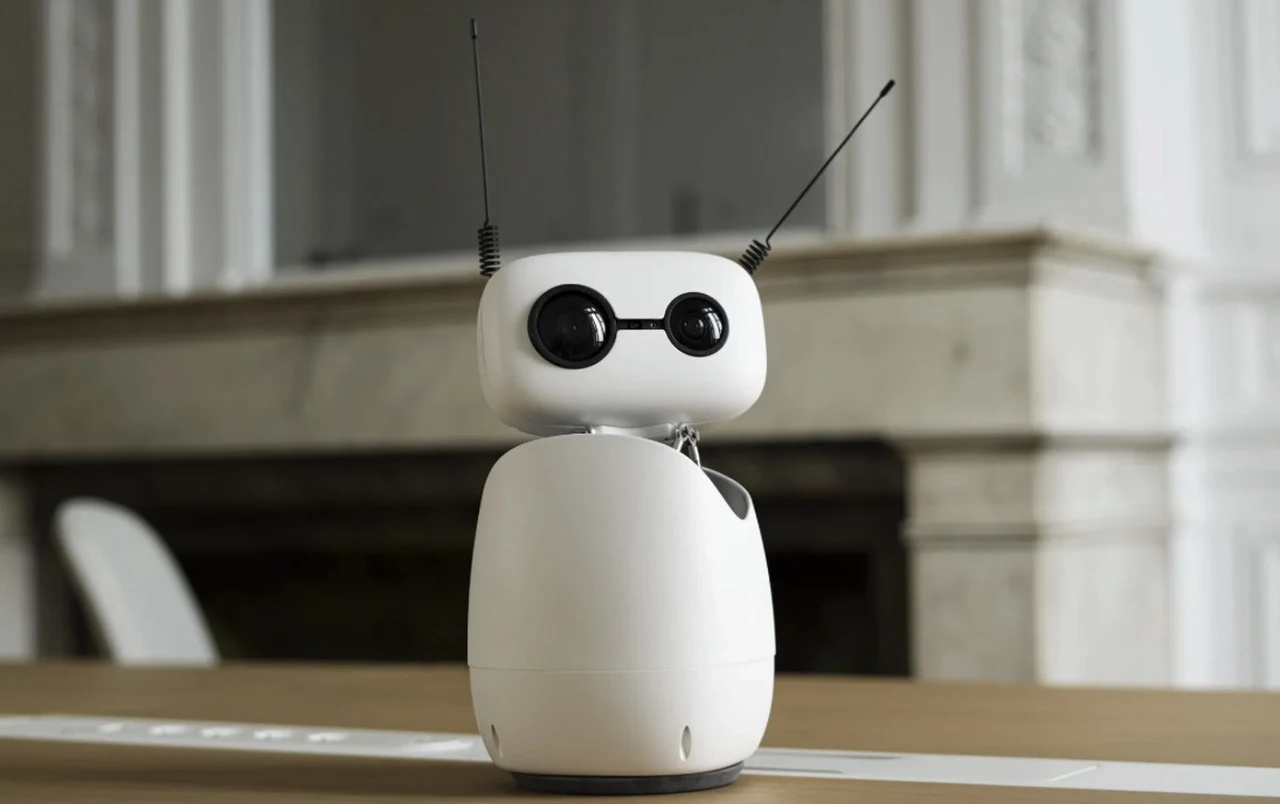
The Reachy Mini is an open source robot developed collaboratively by Hugging Face and Pollen Robotics, designed to provide hands-on learning opportunities in robotics and programming. Powered by a Raspberry Pi, this modular robot offers both local control and internet-connected functionality, making it adaptable for various technical setups. As explained by Jeff Geerling, the Reachy Mini is available in two versions, a $300 wired model and a $500 wireless model, catering to different budgets and needs. While its assembly process is straightforward and educational, users may encounter challenges such as software bugs and incomplete documentation, requiring some troubleshooting skills.
In this breakdown, you’ll learn how the Reachy Mini’s dual operational modes allow for offline use or remote control, depending on your privacy and connectivity preferences. The guide also explores the robot’s software ecosystem, including the Marionette app for motion programming and a Python SDK for advanced customization. Additionally, it highlights potential limitations, such as performance constraints tied to the Raspberry Pi’s processing power, and how these align with its focus on education. By understanding these features and challenges, you can better assess whether the Reachy Mini suits your learning or project goals.
Reachy Mini Robot Overview
TL;DR Key Takeaways :
- The Reachy Mini is an open source educational robot developed by Hugging Face and Pollen Robotics, designed for hands-on learning in robotics and programming, powered by Raspberry Pi.
- It offers two operational modes: local control for offline use and internet-enabled functionality for remote access, catering to diverse user needs and privacy preferences.
- Available in wired ($300) and wireless ($500) versions, the Reachy Mini is an affordable and accessible robotics kit, though users may face challenges with software bugs and incomplete documentation.
- The robot emphasizes hands-on assembly and modular design, providing valuable learning experiences in coding, hardware integration, and problem-solving, particularly for STEM education.
- While not fully autonomous and limited in real-time responsiveness, the Reachy Mini serves as a platform for guided learning, with potential for future enhancements in software and functionality.
Purpose and Design
The Reachy Mini is purpose-built as an educational tool, aiming to deepen your understanding of robotics and programming through practical engagement. Whether you’re a student, educator, or hobbyist, this robot encourages hands-on assembly and experimentation. Its modular design, powered by the Raspberry Pi, allows you to explore robotic mechanisms and programming concepts in an interactive and engaging way.
The robot supports two operational modes: local control and internet-connected functionality, offering flexibility based on your technical setup and preferences. This dual-mode design ensures that you can tailor the Reachy Mini to suit your specific learning or project requirements. Its open source nature further enhances its appeal, allowing you to modify and expand its capabilities as your skills grow.
Assembly and Build Quality
When you receive the Reachy Mini, it arrives as a kit requiring assembly. The components, crafted from durable ABS plastic, are clearly labeled to simplify the process. The hardware, co-branded by Seed Studios, Pollen Robotics, and Hugging Face, ensures compatibility and reliability.
While the assembly process is straightforward, it demands attention to detail and a basic understanding of mechanical assembly. This hands-on experience is integral to the learning process, allowing you to gain insights into the robot’s internal structure and functionality. By assembling the Reachy Mini yourself, you not only build a functional robot but also develop a deeper appreciation for the intricacies of robotics.
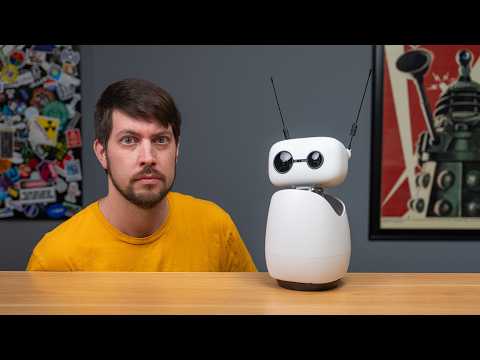
Testing Hugging Face’s Raspberry Pi-powered Open Source Robot
Expand your understanding of Raspberry Pi with additional resources from our extensive library of articles.
Software and Functionality
The Reachy Mini offers a variety of software tools to control and program the robot, catering to users with varying levels of expertise. These tools include:
- The Marionette app for motion programming, allowing you to create and execute movement sequences.
- A conversation app that uses interactive features for engaging user experiences.
- A Python SDK for advanced users seeking to customize and expand the robot’s functionality.
- Web APIs and desktop/web apps for remote control and seamless system integration.
Despite these features, the software is not without its challenges. Bugs and incomplete documentation can make the setup process frustrating, requiring you to troubleshoot independently. While these issues may pose a hurdle, they also present an opportunity to develop problem-solving skills, which are invaluable in robotics and programming.
Privacy and Connectivity
One of the standout features of the Reachy Mini is its dual operational modes, which allow for both local control and internet-enabled functionality. Local control ensures offline operation, making it ideal for environments where internet access is limited or privacy is a concern. On the other hand, internet connectivity unlocks additional features, such as remote access and integration with web-based applications.
However, the inclusion of built-in cameras and microphones raises potential privacy concerns. If privacy is a priority, you can restrict internet connectivity and rely solely on local control. This flexibility ensures that you can use the Reachy Mini in a way that aligns with your privacy preferences and project needs.
Performance and Limitations
The Reachy Mini’s performance is inherently tied to the processing power of its Raspberry Pi core. While it is capable of handling a variety of tasks, it may struggle with real-time responsiveness, such as fluid motion recording or complex computations. Additionally, the robot is not fully autonomous; instead, it serves as a platform for guided learning and experimentation.
These limitations may deter users seeking high-performance robotics solutions. However, they align with the Reachy Mini’s primary focus on education and skill development. By understanding and working within these constraints, you can gain valuable insights into the challenges and possibilities of robotics.
Educational Value
The Reachy Mini excels as an educational tool, particularly in classroom settings or for individual learners with a basic understanding of Linux and robotics. Its hands-on assembly process and modular design provide an engaging introduction to robotics and programming.
By working with the Reachy Mini, you can develop a range of skills, including:
- Coding and programming, particularly in Python.
- Hardware integration and troubleshooting.
- Problem-solving and critical thinking.
These skills are not only valuable for robotics but also for broader applications in STEM education. The Reachy Mini’s open source nature further enhances its educational value, allowing you to explore and experiment beyond the provided tools and features.
Pricing and Accessibility
With a price tag of $300 for the wired model and $500 for the wireless version, the Reachy Mini is an affordable alternative to custom-built robots. Its accessibility makes it appealing to educators, hobbyists, and anyone interested in exploring robotics without a significant financial commitment.
However, it’s important to note that the cost does not account for the time and effort required to address software issues and navigate the learning curve. While the Reachy Mini is designed to be user-friendly, its open source nature means that you may need to invest additional time in troubleshooting and customization.
Future Potential
The Reachy Mini holds significant potential for growth as a robotics education platform. Improvements in software reliability and documentation could greatly enhance its usability, making it more accessible to a wider audience. Additionally, integrating local AI models and smart home systems could expand its functionality, transforming it into a more versatile tool for advanced projects.
While these advancements are not yet realized, they highlight the Reachy Mini’s promise as a foundation for future innovation. Its open source nature ensures that it can evolve alongside advancements in robotics and programming, making it a valuable investment for long-term learning and experimentation.
Media Credit: Jeff Geerling
Filed Under: AI, Hardware, Top News
Disclosure: Some of our articles include affiliate links. If you buy something through one of these links, Geeky Gadgets may earn an affiliate commission. Learn about our Disclosure Policy.
Credit: Source link