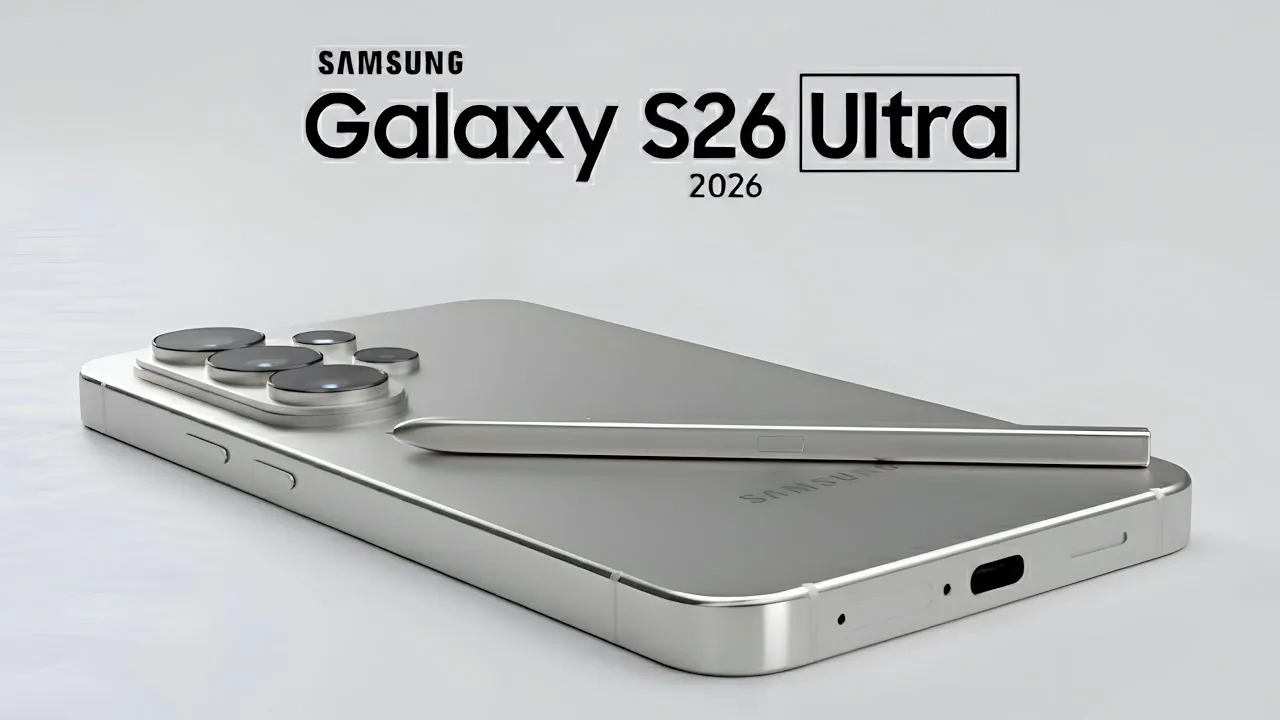
The Samsung Galaxy S26 Ultra is poised to make its debut, offering a refined photography experience through software-driven enhancements rather than dramatic hardware changes. While the camera hardware remains largely consistent with its predecessor, the Galaxy S25 Ultra, Samsung is betting on smarter image processing and subtle improvements to capture your attention. However, with a delayed launch and modest updates, the question arises: will these refinements be enough to maintain your interest in an increasingly competitive market?

Delayed Launch: Implications for Buyers
Samsung has pushed back the release of the Galaxy S26 Ultra to late February, a notable shift from its usual January launch window. This delay could be attributed to efforts to fine-tune software features or address ongoing supply chain challenges. For you, this extra time offers an opportunity to evaluate your options, particularly as competitors continue to innovate and release new devices. While the delay may hint at Samsung’s commitment to delivering a polished product, it also raises questions about whether the S26 Ultra introduces enough advancements to justify the wait.
Camera Hardware: Familiar Yet Reliable
The Galaxy S26 Ultra retains much of the same camera hardware as its predecessor, making sure a dependable but familiar setup:
- A 200 MP main sensor
- A 50 MP ultrawide lens
- A 50 MP 5x telephoto lens
- A 12 MP selfie camera
The only notable hardware update is the inclusion of a 12 MP S5K 3LD sensor for the 3x telephoto lens. This sensor, already featured in Samsung’s foldable and mid-range devices, delivers consistent performance but lacks the excitement of a new innovation. For users, this means the hardware remains reliable, though it may not feel particularly fresh or innovative.
Software Enhancements: Elevating the Photography Experience
Samsung’s primary focus with the Galaxy S26 Ultra lies in software-driven improvements aimed at enhancing your photography experience. These updates include:
- Adaptive Pixel Technology: By combining low-resolution images into high-resolution photos, this feature reduces noise and enhances detail, resulting in sharper, more vibrant images without requiring manual adjustments.
- 24 MP Default Photo Mode: Optimized for everyday photography, this mode strikes a balance between resolution and file size, making it ideal for social media sharing and efficient storage management.
- Focus Speed Slider: A new tool that allows you to control focus transitions more precisely, particularly useful in low-light settings or when capturing fast-moving subjects.
These enhancements are designed to simplify the process of capturing high-quality images while offering creative tools for users who prefer greater control. For everyday photographers, this means better results with minimal effort, while enthusiasts can explore new possibilities in their shots.
Improved Aperture: Enhancing Low-Light Photography
Reports suggest that Samsung is improving the aperture on the main and 5x telephoto lenses to allow more light into the camera. If accurate, this adjustment could significantly enhance low-light performance, resulting in brighter, sharper images in dim conditions. While specific details remain unconfirmed, faster lenses would be a welcome addition for users who frequently shoot in challenging lighting or aim for professional-grade results. This potential improvement underscores Samsung’s commitment to refining the photography experience without overhauling the hardware.
Video Recording: Smarter Compression with APV Codec
The Galaxy S26 Ultra introduces the APV video codec, offering two quality settings: High Quality (HQ) and Low Quality (LQ). This codec improves video compression efficiency, allowing you to record high-resolution videos without consuming excessive storage space. Whether you’re a content creator or a casual videographer, this feature provides a practical solution for capturing and sharing videos without compromising quality. For users who prioritize video recording, the APV codec represents a meaningful enhancement.
Incremental Updates: A Strategic Approach
Samsung’s approach with the Galaxy S26 Ultra appears to focus on refining existing features rather than introducing innovative changes. This strategy emphasizes a polished and reliable user experience, though it may not satisfy those seeking dramatic advancements. For you, the decision to invest in the S26 Ultra will likely depend on how much value you place on these incremental updates. While the device offers meaningful improvements in software and usability, it may not feel like a significant leap forward for users already familiar with the Galaxy S25 Ultra.
Is the Galaxy S26 Ultra the Right Choice for You?
The Samsung Galaxy S26 Ultra represents a careful evolution of its predecessor, emphasizing software-driven enhancements such as adaptive pixel technology, a 24 MP default photo mode, and the APV video codec. These updates aim to deliver a more refined photography and videography experience, catering to both casual users and enthusiasts. However, the delayed launch and lack of significant hardware changes may leave some questioning whether the S26 Ultra offers enough to justify an upgrade.
Ultimately, the Galaxy S26 Ultra’s appeal will depend on your priorities as a buyer. If you value smarter image processing, improved creative tools, and better video compression, the S26 Ultra could be a compelling option. However, if you’re seeking a device that redefines smartphone photography, the updates may feel underwhelming. As the competition in the smartphone market intensifies, the Galaxy S26 Ultra’s success will hinge on how well it meets your expectations and delivers on its promises.
Below are more guides on the Samsung Galaxy S26 Ultra from our extensive range of articles.
Source & Image Credit: Demon’s Tech
Filed Under: Android News, Mobile Phone News, Top News
Latest Geeky Gadgets Deals
Disclosure: Some of our articles include affiliate links. If you buy something through one of these links, Geeky Gadgets may earn an affiliate commission. Learn about our Disclosure Policy.
Credit: Source link