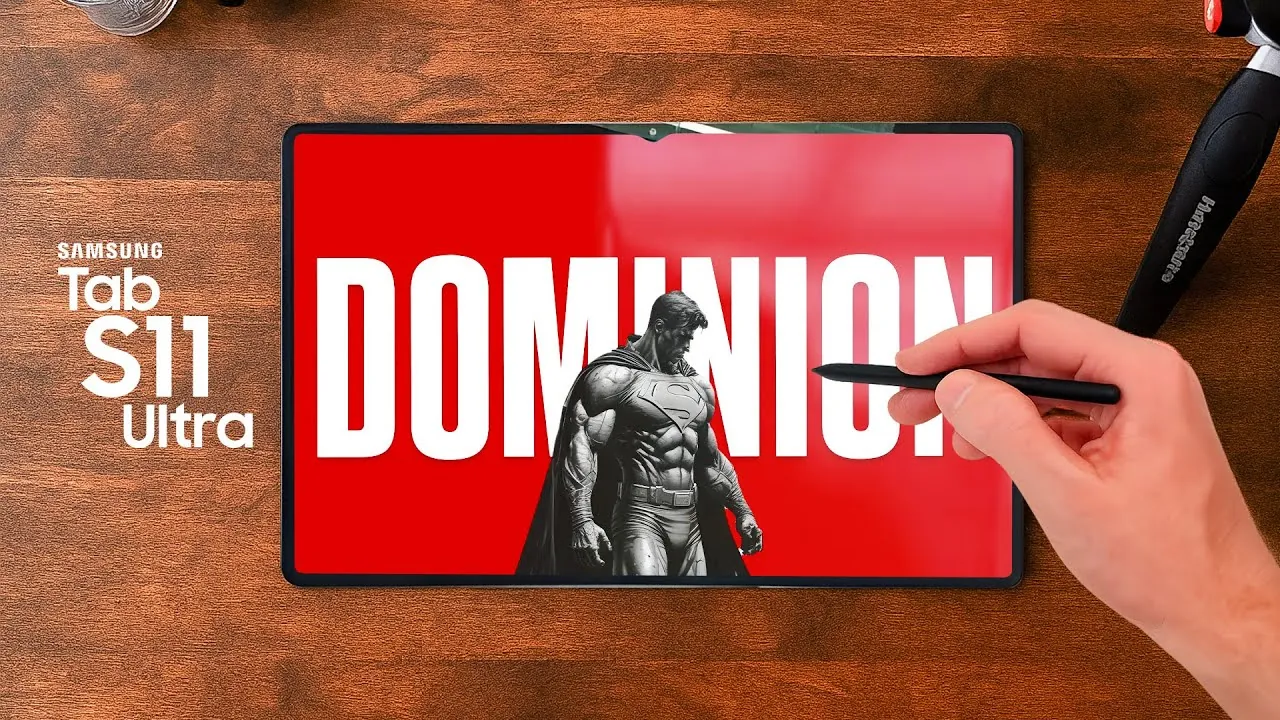
The Samsung Galaxy Tab S11 Ultra marks a significant milestone in the evolution of Samsung’s tablet lineup. By introducing refined design elements, enhanced performance capabilities, and strategic lineup adjustments, Samsung aims to cater to a diverse audience while maintaining its competitive edge in the market. However, some of these changes may spark debate among users and enthusiasts. This detailed exploration provides more insights into the design, features, and performance of the Galaxy Tab S11 Ultra, shedding light on what makes it stand out and where it might fall short. The video below from TechTalkTV gives us more details on the Samsung Galaxy Tab S11 Ultra.

Design Evolution: Minimalism Meets Functionality
The Galaxy Tab S11 Ultra adopts a minimalist design approach, focusing on subtle yet impactful changes. One of the most noticeable updates is the introduction of a waterdrop-shaped notch on the front, which houses a single front camera. This marks a departure from the dual-camera setup seen in its predecessor, the Galaxy Tab S10 Ultra. While the bezels remain largely unchanged, the absence of the SPen slot on the back raises questions about its new placement and whether this might affect the overall SPen functionality.
On the rear, the camera layout has been reimagined for a cleaner and more modern aesthetic. The removal of protruding camera rings aligns with a broader trend toward simplicity and elegance in premium devices. These design choices suggest that Samsung is prioritizing a sleek and cohesive look, but they also leave room for speculation about how these changes will impact usability.
Lineup Adjustments: Introducing the Galaxy Tab S11 Lite
Samsung has restructured its tablet lineup with the introduction of the Galaxy Tab S11 Lite, replacing the Galaxy Tab S11 Plus. This new Lite variant retains much of the design language of the standard Tab S11, making sure a cohesive visual identity across the series. By offering a more affordable option with a premium appearance, Samsung aims to attract a broader audience, including those who may have previously found its flagship tablets out of reach.
The Galaxy Tab S11 Lite is positioned as a budget-friendly alternative that doesn’t compromise on design. This strategic move reflects Samsung’s effort to balance accessibility with quality, appealing to both casual users and those seeking a premium experience at a lower price point.
Camera Features: Simplification Over Innovation
The Galaxy Tab S11 Ultra takes a step back in camera innovation by opting for a single front camera instead of the dual-camera setup featured in its predecessor. This decision contrasts with Apple’s rumored dual-camera system for the upcoming 2025 iPad Pro, potentially placing Samsung at a disadvantage in the eyes of users who prioritize advanced photography features.
However, the simplified camera design may resonate with users who value aesthetics and practicality over innovative camera technology. For casual users, the absence of a dual-camera setup is unlikely to significantly impact their experience. On the other hand, photography enthusiasts may find this change less appealing, especially when comparing the device to competing products in the same category.
Performance Enhancements: Incremental but Effective
Under the hood, the Galaxy Tab S11 Ultra is powered by the Dimensity 9400 Plus processor, delivering a noticeable performance boost compared to its predecessor. Benchmark tests indicate improved multitasking capabilities and smoother overall responsiveness, making the device well-suited for both productivity and entertainment.
The tablet offers RAM options starting at 12 GB, with a 16 GB variant available for the 1 TB storage model. Battery life has also been slightly improved, with an 11,600 mAh capacity that promises extended usage. However, the charging speed remains capped at 45W, which may disappoint users who were hoping for faster charging in a premium device. While these upgrades are incremental, they contribute to a more refined user experience, making sure the Galaxy Tab S11 Ultra remains competitive in its segment.
Launch Plans and Broader Market Strategy
Samsung is expected to launch the Galaxy Tab S11 series in the second half of 2025, likely in August or September, aligning with its traditional release schedule. Alongside the tablet lineup, Samsung is making notable changes to its smartphone offerings, including the replacement of the Galaxy S26 with the Galaxy S26 Pro. These adjustments indicate a broader strategy to streamline product lines and better address evolving market demands.
By introducing new models like the Galaxy Tab S11 Lite and refining its flagship devices, Samsung appears to be targeting a wider range of consumers. This approach reflects an effort to balance innovation with practicality, making sure that its products appeal to both premium users and budget-conscious buyers.
Balancing Innovation with Practicality
The Galaxy Tab S11 Ultra and its accompanying lineup represent Samsung’s attempt to strike a balance between innovation and practicality. The device’s design refinements, performance upgrades, and strategic lineup changes highlight Samsung’s commitment to meeting diverse user needs. However, certain compromises—such as the removal of the dual front camera and the unchanged charging speed—may divide opinions among consumers.
As the 2025 launch approaches, the success of the Galaxy Tab S11 series will depend on its ability to resonate with a wide audience. By offering a mix of premium features and accessible options, Samsung aims to solidify its position in the competitive tablet market while addressing the evolving preferences of its users.
Explore further guides and articles from our vast library that you may find relevant to your interests in Galaxy Tab S11 Ultra Design.
Source & Image Credit: TechTalkTV
Filed Under: Android News, Tablet News, Top News
Latest Geeky Gadgets Deals
Disclosure: Some of our articles include affiliate links. If you buy something through one of these links, Geeky Gadgets may earn an affiliate commission. Learn about our Disclosure Policy.
Credit: Source link