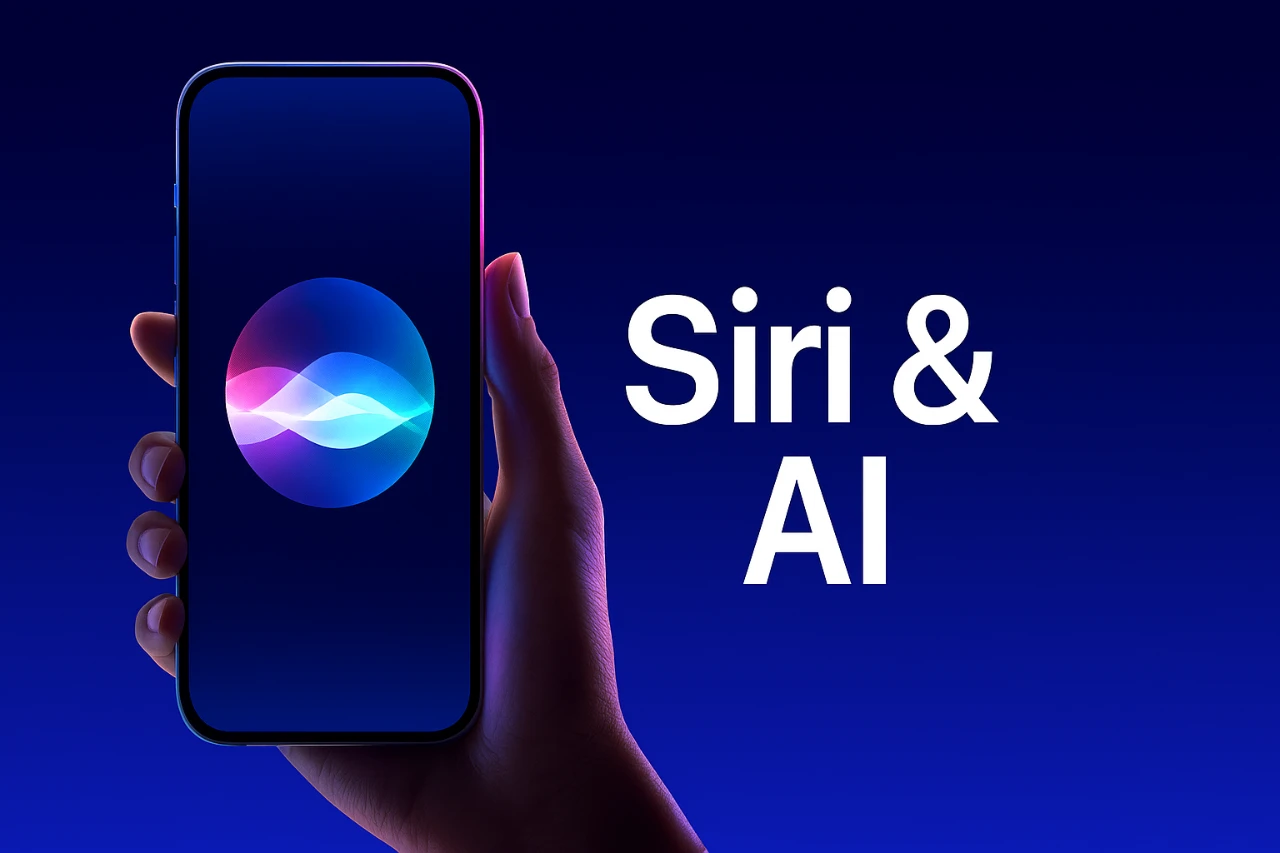
Apple’s ambitious efforts to evolve Siri into a more intelligent and personalized virtual assistant have encountered significant delays. Originally planned for release in early 2025, the advanced features are now postponed to spring 2026, aligning with the launch of iOS 26.4. The company’s vision includes enhancing Siri’s contextual understanding, improving app integration, and advancing on-device processing capabilities. However, growing competition from industry leaders like Google and Microsoft, combined with rising user expectations, has placed Apple under increasing pressure to deliver a competitive product. The video below from SaranByte gives us more details on what Apple has planned for Siri, AI, and Appl Intelligence.

What’s Behind the Delay?
The delay is primarily attributed to internal testing that revealed critical flaws in Siri’s current architecture. To address these issues, Apple is undertaking a comprehensive overhaul of Siri’s core framework. This ambitious rebuild aims to improve the assistant’s ability to interpret user context, analyze on-screen content, and execute complex, multi-step tasks seamlessly. However, the scale and complexity of this undertaking have proven to be time-intensive, necessitating a revised timeline.
Apple’s engineers are focusing on creating a more robust and reliable system that can handle nuanced commands and adapt to individual user needs. While this approach underscores Apple’s commitment to quality, it has also slowed progress, leaving the company vulnerable to competitors who are advancing rapidly in the AI space.
Generative AI and Apple’s Vision
At WWDC 2024, Apple introduced its “Apple Intelligence” initiative, marking a significant step into the realm of generative AI. This initiative is designed to make Siri more adaptive and capable of handling intricate commands and multi-step processes. For example, future versions of Siri could assist users in planning vacations by booking flights, reserving accommodations, and syncing schedules—all within a single interaction.
While these advancements hold great promise, they require substantial breakthroughs in AI technology. Apple is working to integrate generative AI capabilities into Siri without compromising its commitment to user privacy. However, achieving this balance has proven challenging, as competitors like Google and Microsoft use cloud-based systems to accelerate their progress.
Privacy-First Philosophy: A Double-Edged Sword
Apple’s unwavering commitment to privacy has significantly influenced its approach to AI development. Unlike competitors such as Google and Microsoft, which rely heavily on cloud computing to power their AI systems, Apple prioritizes on-device processing to safeguard user data. This privacy-first strategy aligns with Apple’s core values and strengthens its reputation for protecting user information.
However, this approach has also slowed the pace of innovation. Cloud-based systems can process vast amounts of data more efficiently, allowing competitors to deliver innovative AI capabilities at a faster rate. Apple’s reliance on on-device processing, while commendable from a privacy standpoint, has created technical hurdles that delay the implementation of advanced features.
Investments and Acquisitions to Bridge the Gap
In an effort to accelerate progress, Apple has significantly increased its investments in AI research and development. In 2025 alone, the company acquired seven AI-focused startups, with reports suggesting it is also considering the acquisition of Perplexity AI. These strategic moves aim to bolster Apple’s expertise in generative AI and contextual understanding, key areas for Siri’s evolution.
Despite these efforts, skepticism remains about whether Siri’s revamped capabilities will match the sophistication of competitors like Google Gemini or Microsoft Copilot. Apple’s ability to close this gap will depend on how effectively it can integrate these new technologies into Siri while maintaining its privacy-first approach.
What’s in Store for Siri?
Apple’s vision for the next-generation Siri includes several advanced features designed to enhance usability and personalization:
- Personal Context Awareness: Siri will analyze user habits, preferences, and routines to provide tailored interactions that feel intuitive and relevant.
- On-Screen Awareness: Siri will interpret real-time screen content, allowing it to execute commands seamlessly based on what the user is viewing.
- Deeper App Integration: Siri will handle complex, multi-step tasks within apps, such as managing finances, organizing projects, or coordinating schedules.
These features aim to position Siri as a more capable and personalized assistant, but their success will depend on Apple’s ability to deliver a reliable and user-friendly experience.
Rising Competition and User Frustration
As Apple works to refine Siri, competitors like Google and Microsoft continue to push the boundaries of AI innovation. Google’s Gemini and Microsoft’s Copilot have set new benchmarks for virtual assistants, raising the stakes for Apple. These advancements have heightened user expectations, making delays in Siri’s development more noticeable and frustrating for Apple’s customer base.
Some users have expressed dissatisfaction with Siri’s current limitations, with a few even pursuing legal action over perceived misrepresentation of its capabilities. This growing frustration has prompted Apple to adopt a more cautious approach, prioritizing reliability and accuracy over speed in its public commitments. While this strategy may mitigate backlash, it also risks further widening the gap between Siri and its competitors.
Looking Ahead
Apple is expected to provide a preview of the revamped Siri during the iPhone 17 launch in late 2025. However, the full functionality of the updated assistant is unlikely to be available until 2026. Apple’s deliberate approach reflects its commitment to delivering a reliable and fantastic virtual assistant, but the company faces significant challenges in meeting user expectations and staying competitive in the rapidly evolving AI landscape.
With competitors advancing at a rapid pace and user demands growing, Apple’s ability to balance innovation with its privacy-first philosophy will be critical. Whether the next-generation Siri can meet these challenges and redefine the virtual assistant market remains uncertain, but its success will undoubtedly shape the future of AI-driven personal assistants.
Check out more relevant guides from our extensive collection on Artificial Intelligence (AI) that you might find useful.
Source & Image Credit: SaranByte
Filed Under: AI, Apple, Apple iPhone
Latest Geeky Gadgets Deals
Disclosure: Some of our articles include affiliate links. If you buy something through one of these links, Geeky Gadgets may earn an affiliate commission. Learn about our Disclosure Policy.
Credit: Source link