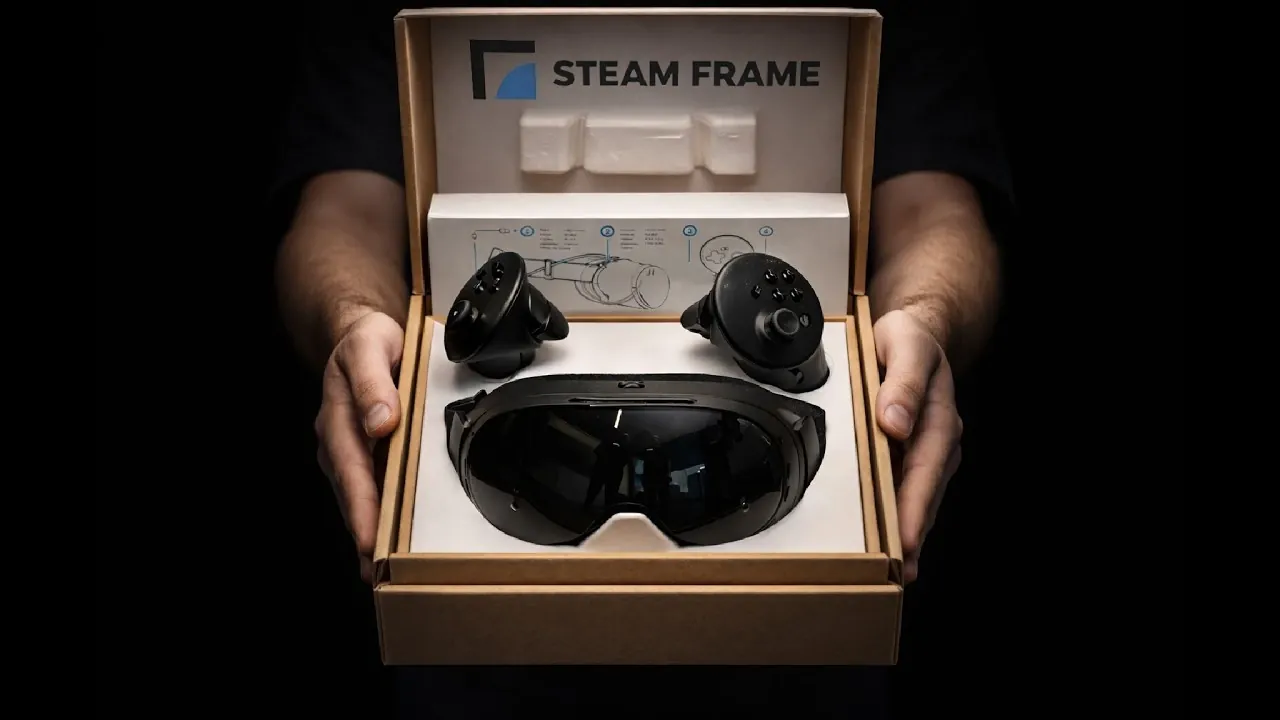
The Steam Frame is Valve’s latest entry into the virtual reality market, offering features like eye tracking, foveated rendering, and wireless PC game streaming. Designed with high-performance hardware, including 2160×2160 resolution per eye and a refresh rate of up to 144Hz, it aims to deliver a visually immersive and responsive experience. As outlined by Virtual Chap, the device’s modular design and standalone functionality further enhance its appeal, particularly for users seeking flexibility and customization in their VR setup.
In this overview, you’ll explore the Steam Frame’s standout capabilities, such as its ability to stream PC games wirelessly and its compatibility with third-party upgrades. You’ll also learn about its potential drawbacks, including its premium price range and how it compares to other headsets like the Quest 3. By understanding these aspects, you can better assess whether the Steam Frame aligns with your gaming needs and budget.
Valve Steam Frame Overview
TL;DR Key Takeaways :
- The Steam Frame is a high-performance VR headset featuring advanced technologies like eye tracking, foveated rendering, and wireless PC game streaming, aimed at redefining the VR experience.
- Key specifications include high-resolution 2160×2160 LCD panels per eye, a 144Hz refresh rate, and a Qualcomm Snapdragon 8 Gen 3 processor with Adreno 750 GPU, offering a significant performance boost over competitors.
- Standout features include wireless PC game streaming via 6 GHz Wi-Fi, standalone PC functionality for VR and 2D gaming, modular design for customization, and low-latency performance for multiplayer gaming.
- Potential drawbacks include its premium price range of $600-$800, incremental upgrades for existing VR users, and a less-established standalone ecosystem compared to competitors like the Quest 3.
- The Steam Frame is best suited for experienced VR users and tech enthusiasts who value innovative technology, while first-time buyers may find the Quest 3 a more practical and affordable option.
What’s Under the Hood?
The Steam Frame is equipped with innovative hardware designed to deliver a high-performance VR experience. Its specifications reflect a focus on both power and precision, making it a strong contender in the competitive VR market.
- Display: The device features high-resolution LCD panels with 2160×2160 pixels per eye, delivering sharp visuals. A refresh rate of up to 144Hz ensures smooth motion, enhancing immersion during fast-paced gameplay.
- Processor: Powered by the Qualcomm Snapdragon 8 Gen 3 and an Adreno 750 GPU, the Steam Frame offers a 20-40% performance boost compared to competitors like the Quest 3, making sure seamless multitasking and demanding VR applications.
- Eye Tracking: Built-in eye tracking enables foveated rendering, a technology that focuses processing power on the areas you’re actively viewing. This not only enhances visual fidelity but also improves overall system efficiency.
- Accessibility: The headset is designed with glasses compatibility and the potential for prescription inserts, making it more inclusive for users with vision needs.
These specifications position the Steam Frame as a premium device, particularly appealing to users seeking high-end performance for demanding VR applications and games.
Standout Features
The Steam Frame introduces several innovative features that enhance its usability and flexibility, making it a versatile option for a wide range of users.
- Wireless PC Game Streaming: Using 6 GHz Wi-Fi, the headset enables low-latency streaming of your PC gaming library. This eliminates the need for cumbersome cables, allowing for a more immersive and unrestricted gaming experience.
- Standalone Functionality: The Steam Frame doubles as a standalone PC for both VR and 2D gaming, offering versatility for users who want an all-in-one device without relying on external hardware.
- Modular Design: Its modularity allows for customization and upgrades with third-party accessories, making sure the device can adapt to your evolving needs over time.
- Low Latency: Designed with multiplayer gaming in mind, the headset ensures smooth and responsive gameplay, even in fast-paced scenarios where precision is critical.
These features make the Steam Frame particularly attractive to experienced users who value flexibility, innovative technology, and the ability to tailor their VR experience.
Should You Buy The Steam Frame?

Enhance your knowledge on Valve’s Steam Machine by exploring a selection of articles and guides on the subject.
Software and User Experience
The Steam Frame operates on SteamVR OS, a platform designed to provide a customizable and user-friendly interface. This operating system allows users to tailor their virtual environments and access their game libraries with ease, making the overall experience more intuitive.
Key software highlights include:
- Foveated Streaming: By integrating eye-tracking technology, the Steam Frame optimizes streaming quality while reducing bandwidth requirements. This ensures a smoother and more efficient gaming experience, even during high-demand scenarios.
- Advanced Features: The device offers a range of tools and settings tailored for experienced gamers familiar with VR ecosystems, allowing for greater control and customization.
While the Steam Frame’s software offers significant advantages, its standalone PC VR functionality is relatively new and less tested compared to more established platforms. This may leave some power users desiring further refinement and stability.
Potential Drawbacks
Despite its impressive specifications and features, the Steam Frame is not without its challenges. Understanding these potential drawbacks is essential for making an informed decision.
- Incremental Upgrades: For users who already own a capable VR headset like the Quest 3, the hardware improvements offered by the Steam Frame may not justify the investment, especially if their current device meets their needs.
- Price: With an estimated cost ranging from $600 to $800, the Steam Frame is a premium product. This price point may deter budget-conscious buyers, particularly if supply chain issues lead to further price increases.
- Risk for New Users: First-time VR buyers may find the Quest 3’s established ecosystem, affordability, and ease of use a safer and more practical entry point into virtual reality.
These considerations highlight the importance of evaluating your priorities, budget, and expectations before committing to the Steam Frame.
Who Should Consider the Steam Frame?
The Steam Frame is best suited for specific groups of users who can fully appreciate its advanced features and capabilities.
- Experienced VR Users: Those who prioritize wireless PC VR gaming or desire a versatile device capable of both VR and 2D gaming will find the Steam Frame appealing.
- Tech Enthusiasts: Users who value modularity, innovative technology, and are willing to invest in a less-established product will benefit most from the Steam Frame’s innovative design.
However, for individuals new to VR or those seeking a more straightforward and cost-effective solution, the Quest 3 remains a more accessible and practical option.
Making the Right Choice
The Steam Frame offers a compelling blend of innovation, flexibility, and performance, making it an attractive option for experienced users and tech enthusiasts. Its advanced features, such as wireless PC game streaming, modular design, and eye-tracking technology, set it apart as a premium device in the VR market. However, its high price point and relatively untested standalone functionality may deter budget-conscious buyers or first-time VR users.
Ultimately, the decision to invest in the Steam Frame should be guided by your individual needs, priorities, and budget. If you value innovative technology and are comfortable with the premium price, the Steam Frame could be a worthwhile addition to your VR setup. For those prioritizing affordability, ease of use, or a more established ecosystem, the Quest 3 remains a strong alternative. Carefully weigh your options to ensure you select the VR headset that best aligns with your expectations and goals.
Media Credit: Virtual Chap
Filed Under: Gaming News, Hardware, Top News
Disclosure: Some of our articles include affiliate links. If you buy something through one of these links, Geeky Gadgets may earn an affiliate commission. Learn about our Disclosure Policy.
Credit: Source link