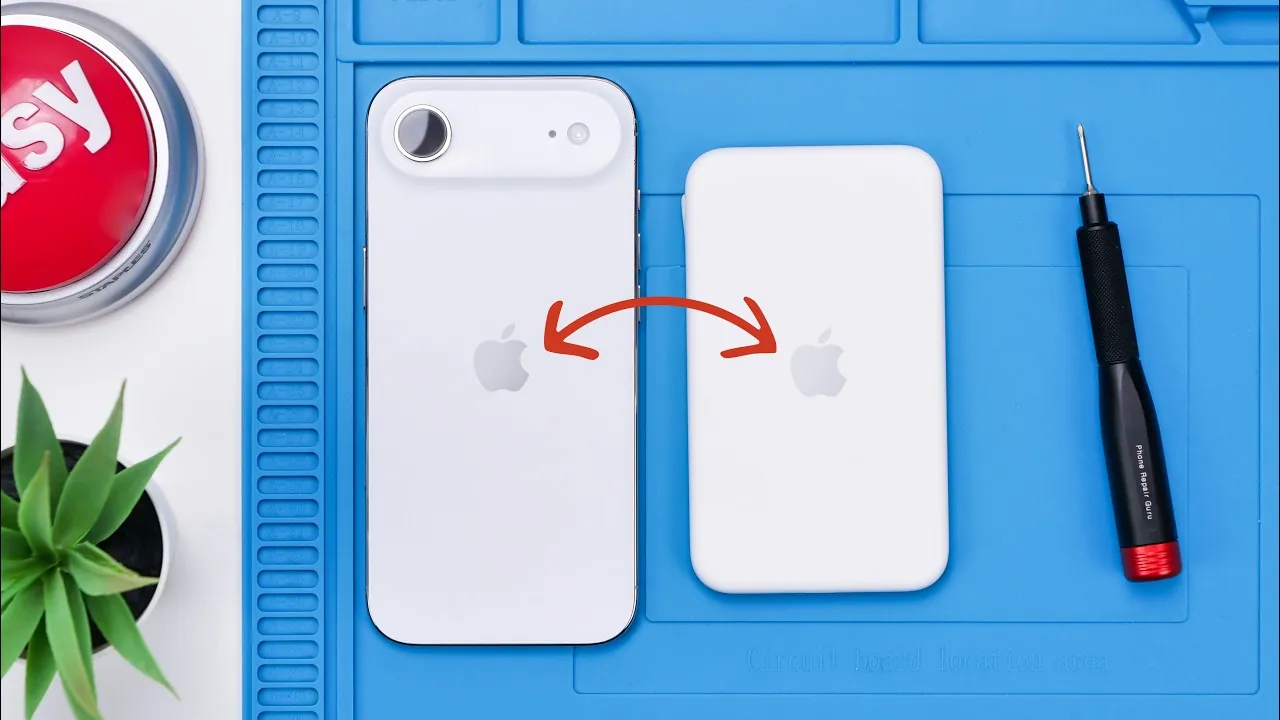
Apple’s iPhone Air stands as the company’s slimmest and lightest smartphone to date, merging innovative design with notable strides in repairability. This detailed teardown video from Phone Repair Guru provides more insights into the device’s internal structure, showcasing its innovative engineering, performance capabilities, and the unique challenges it presents. While the iPhone Air pushes the boundaries of compact design, it also introduces considerations that both users and repair professionals should carefully evaluate.

Design and Build: Minimalist and Portable
The iPhone Air’s design emphasizes portability and simplicity, making it a standout choice for users who prioritize convenience. As Apple’s thinnest iPhone, it is significantly lighter than its predecessors, offering a sleek and minimalist aesthetic. However, this ultra-slim profile comes with a trade-off: a more pronounced camera bump. This design adjustment accommodates the advanced 48MP Fusion camera, which delivers exceptional image quality but slightly disrupts the phone’s otherwise streamlined silhouette.
Internally, Apple has taken a meticulous approach to engineering. The layout has been optimized by reducing the number of screws and shrinking key components. This not only enhances the device’s compactness but also reflects Apple’s commitment to efficiency and precision engineering. The result is a smartphone that feels both lightweight and robust, appealing to users who value portability without sacrificing functionality.
Repairability: Progress with a Few Caveats
Apple has made notable improvements in the repairability of the iPhone Air, addressing a long-standing concern for many users. The device features a redesigned internal structure that simplifies disassembly, making key components such as the back glass and charging port easier to access and replace. This streamlined approach reduces repair time and effort, offering a more user-friendly experience for professionals and enthusiasts alike.
However, not all changes are straightforward. The introduction of electrically activated adhesive for battery removal adds a layer of complexity. This adhesive requires specialized tools and expertise, making battery replacements more challenging for non-professionals. While the overall repair process is more accessible than in previous models, this specific feature may deter users who prefer DIY repairs. Apple’s design choices highlight a balance between improving repairability and maintaining the device’s sleek form factor.
Internal Features: Compact Powerhouse
The iPhone Air is powered by the A19 Pro chip and 12GB of RAM, delivering impressive performance for multitasking and demanding applications. This hardware configuration ensures smooth operation, whether you’re running resource-intensive apps or engaging in everyday tasks. A standout feature is the single-layer motherboard, which optimizes internal space while maintaining functionality. This innovative design contributes to the phone’s compactness without compromising its capabilities.
The device also features a 48MP Fusion rear camera and an 18MP front camera, allowing users to capture high-quality photos and videos. These features cater to both casual users and content creators, offering versatility for a wide range of photography needs. Additionally, the integration of MagSafe magnets and a 20W wireless charging coil into the back glass enhances wireless charging efficiency while preserving the phone’s slim profile. These internal advancements position the iPhone Air as a compact yet powerful device.
Battery and Durability: Practicality Meets Resilience
The iPhone Air is equipped with a 3,149mAh (12.263Wh) battery, providing reliable power for everyday use. While its capacity is modest compared to some competitors, it aligns with the device’s lightweight design philosophy. The battery is compatible with Apple’s MagSafe battery pack, offering a convenient solution for users who require additional power on the go. However, the use of electrically activated adhesive for battery removal complicates replacements, underscoring the trade-offs Apple has made to achieve its sleek design.
In terms of durability, the iPhone Air is built to withstand everyday wear and tear. Durable rubber gaskets provide water resistance, protecting internal components from moisture and extending the device’s lifespan. However, certain components remain vulnerable to corrosion, particularly in humid or wet environments. Users are advised to minimize exposure to such conditions to ensure the phone’s long-term reliability. These durability features reflect Apple’s efforts to balance thinness with resilience.
Engineering Highlights: Refinements in Design
The iPhone Air exemplifies Apple’s dedication to refining its engineering processes. The use of smaller screws and components reduces internal clutter, while the single-layer motherboard simplifies repairs and upgrades. These advancements make the iPhone Air one of the most repairable iPhones in recent years, a notable achievement given its ultra-thin design.
Additionally, the integration of advanced features such as the A19 Pro chip, MagSafe technology, and the 48MP Fusion camera demonstrates Apple’s ability to innovate within the constraints of a compact form factor. These engineering highlights underscore the company’s commitment to delivering a device that balances performance, portability, and practicality.
Balancing Innovation and Practicality
The iPhone Air represents a thoughtful evolution in smartphone design, combining a sleek, lightweight profile with improved repairability and robust performance. While it introduces challenges such as the complexity of battery removal and potential corrosion risks, its overall engineering reflects Apple’s dedication to innovation and user experience.
For users seeking a high-performance, portable smartphone with enhanced repair options, the iPhone Air offers a compelling choice. However, it is essential to weigh its strengths—such as its compact design, powerful hardware, and improved repairability—against its limitations to determine if it aligns with individual needs. The iPhone Air stands as a testament to Apple’s ability to innovate while addressing practical considerations, making it a noteworthy addition to the company’s lineup.
Here are additional guides from our expansive article library that you may find useful on iPhone Air teardown.
Source & Image Credit: Phone Repair Guru
Filed Under: Apple, Apple iPhone, Guides
Latest Geeky Gadgets Deals
Disclosure: Some of our articles include affiliate links. If you buy something through one of these links, Geeky Gadgets may earn an affiliate commission. Learn about our Disclosure Policy.
Credit: Source link