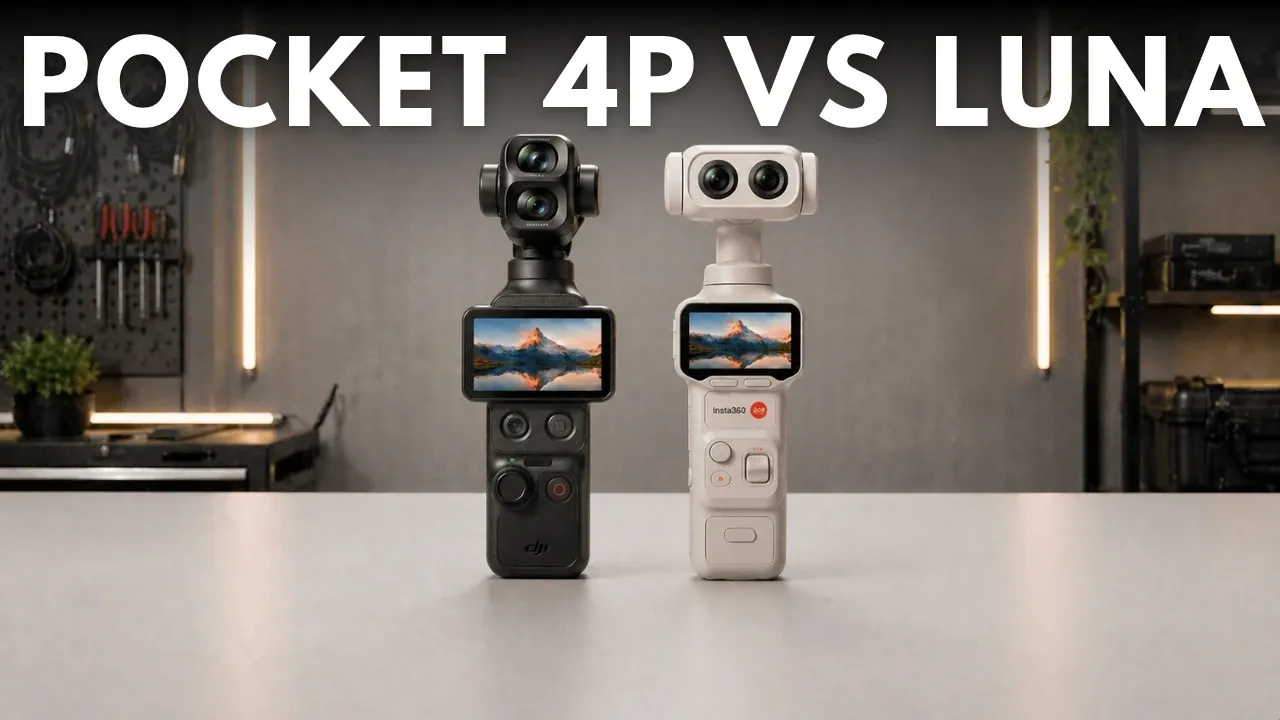
The Insta360 Luna Ultra and DJI Osmo Pocket 4 represent two distinct approaches to the pocket camera market, each vying for attention in a competitive space. While the Luna Ultra emphasizes features like wireless microphone integration and Leica-backed color science, the Osmo Pocket 4 continues DJI’s legacy of compact, high-performance devices. However, regulatory challenges have limited DJI’s reach in the U.S., creating an opening for alternatives like the Luna Ultra to gain traction. Tech Court examines how these factors, along with pricing and ecosystem compatibility, shape the appeal of these cameras for creators and consumers alike.
Explore how the Luna Ultra’s accessory-friendly design and focus on workflow efficiency could appeal to users transitioning from other brands. Compare this with the Osmo Pocket 4’s technical strengths and the impact of its limited availability on its global standing. You’ll also gain insight into how market dynamics, such as regulatory shifts and emerging competitors, are influencing innovation in the pocket camera space. This feature offers a clear breakdown to help you navigate the trade-offs and opportunities presented by these two contenders.
Insta360 Luna Ultra: A Rising Competitor
TL;DR Key Takeaways :
- The Insta360 Luna Ultra is emerging as a strong competitor in the pocket camera market, offering innovative features like wireless microphone integration, Leica’s advanced color science and enhanced accessory compatibility.
- DJI Osmo Pocket 4 faces significant regulatory challenges in the U.S., limiting its availability and creating opportunities for competitors like Insta360 to capture market share.
- Market competition is driving innovation, with players like Insta360, DJI and GoPro striving to deliver better products tailored to creators’ evolving needs.
- Ecosystem integration is a critical factor for users switching brands, with Insta360 focusing on seamless workflows and compatibility to attract creators transitioning from DJI.
- Regulatory hurdles and strategic positioning are reshaping the market, with Insta360 using its cleaner regulatory path to establish itself as a leader, provided it delivers on pricing, availability and performance expectations.
The Insta360 Luna Ultra is generating considerable attention as it undergoes beta testing with creators. Early footage highlights its potential to deliver impressive video and audio quality, though its final specifications, pricing and release date remain undisclosed. Designed to address key gaps in the market, the Luna Ultra introduces several standout features aimed at enhancing the user experience:
- Wireless microphone integration for superior audio capture.
- A collaboration with Leica, making sure advanced color science for vibrant and accurate visuals.
- Improved compatibility with accessories and streamlined workflows for creators.
For U.S. consumers, the Luna Ultra presents itself as a compelling alternative, particularly as DJI grapples with regulatory restrictions. Insta360’s focus on seamless accessory integration and user-friendly workflows positions the Luna Ultra as an attractive option for creators looking to transition from other brands. However, its ultimate success will hinge on factors such as competitive pricing, timely availability and its ability to meet user expectations in real-world scenarios.
DJI Osmo Pocket 4: Regulatory Hurdles and Limited Access
The DJI Osmo Pocket 4, despite its strong technical capabilities, faces significant obstacles in the U.S. market. Regulatory issues, including the termination of FCC approvals, have effectively barred its official availability in the region. As a result, U.S. consumers are left with limited options, such as purchasing through third-party branding solutions like “Extra,” which lack the full ecosystem support that DJI users have come to expect.
In China, DJI has teased the Pocket 4 Pro, but its global and U.S. availability remains uncertain. This regulatory uncertainty has created a strategic opening for competitors like Insta360 and GoPro to capture market share. For U.S.-based creators, the lack of direct access to DJI’s latest offerings makes alternatives like the Luna Ultra increasingly appealing. However, DJI’s established reputation for quality and innovation ensures that it remains a formidable competitor, even in the face of these challenges.
Browse through more resources below from our in-depth content covering more areas on action camera.
Market Dynamics: Competition Fuels Innovation
The pocket camera market is undergoing a period of rapid transformation, with competition driving innovation and improving product quality. GoPro’s upcoming Mission 1 Pro is expected to add another layer of rivalry, further intensifying the battle for market share. For consumers, this heightened competition translates to better options, but it also necessitates careful consideration before making a purchase.
For Insta360, the Luna Ultra’s ability to differentiate itself will be critical. Features such as wireless microphone integration and Leica’s color science partnership are promising, but they must be supported by robust performance and a well-rounded ecosystem to truly capture the attention of creators. The stakes are high and the competition is fierce, with each player striving to deliver products that meet the evolving needs of users.
Ecosystem Integration: A Deciding Factor
Switching from one camera brand to another involves more than just the device itself. Accessories, workflows and support systems play a pivotal role in user decisions. For U.S. consumers considering a switch from DJI to Insta360, the Luna Ultra’s emphasis on ecosystem compatibility could make the transition smoother. Key features like wireless microphone integration and enhanced accessory compatibility are designed to ease this shift.
However, switching comes with its own set of challenges. Replacing existing accessories and adapting to new workflows can be both time-consuming and costly. Insta360’s focus on seamless integration positions the Luna Ultra as a viable alternative, but potential buyers must carefully weigh these factors against their specific needs and existing investments in other ecosystems.
Regulatory Challenges and Strategic Opportunities
Regulatory compliance is playing an increasingly significant role in shaping the competitive landscape of the pocket camera market. DJI’s struggles with FCC approvals have created a strategic opening for Insta360, which enjoys a cleaner regulatory path in the U.S. By using this advantage, Insta360 has the potential to establish itself as a leader in the segment, particularly among U.S.-based creators seeking reliable and accessible alternatives.
However, regulatory compliance alone is not enough to secure market dominance. The Luna Ultra must also deliver on other critical fronts, including timely availability, competitive pricing and a comprehensive ecosystem that meets the diverse needs of its users. As competition intensifies, consumers can expect a wave of innovation and improved offerings from key players like Insta360, DJI and GoPro.
A Market in Transition
The rivalry between the Insta360 Luna Ultra and DJI Osmo Pocket 4 highlights the dynamic and rapidly evolving nature of the pocket camera market. With DJI facing regulatory challenges in the U.S., Insta360 has a unique opportunity to fill the gap with a feature-rich, ecosystem-compatible product. Meanwhile, GoPro’s anticipated entry with the Mission 1 Pro adds another layer of competition, pushing all players to innovate and refine their offerings.
For now, the Luna Ultra’s ability to deliver on its promises will determine whether it can redefine the pocket camera market and establish itself as a leader. As a buyer, staying informed and waiting for detailed reviews and real-world comparisons will help you make the best choice in this competitive and ever-changing space.
Media Credit: Tech Court
Filed Under: Camera News
Disclosure: Some of our articles include affiliate links. If you buy something through one of these links, Geeky Gadgets may earn an affiliate commission. Learn about our Disclosure Policy.
Credit: Source link