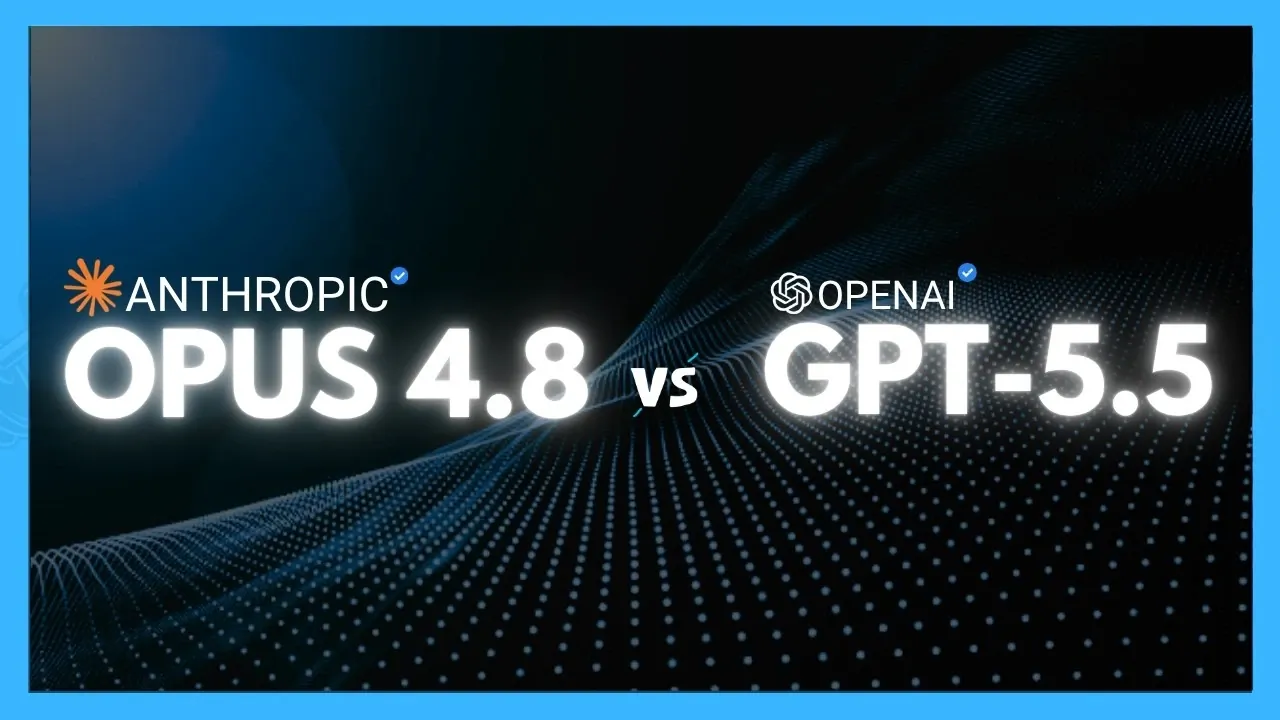
Navigating the landscape of AI models can be challenging, especially with options like GPT 5.5, Opus 4.8 and Gemini 3.5 Flash, each excelling in unique areas. World of AI highlights how ChatGPT 5.5 is particularly well-suited for tasks requiring advanced reasoning and intricate coding, making it a strong choice for software engineers tackling complex workflows. Meanwhile, Opus 4.8 stands out for its focus on polished front-end design and structured execution, appealing to those prioritizing aesthetics and precision. For projects with tighter budgets or simpler requirements, Gemini 3.5 Flash offers a cost-effective and fast alternative, though with fewer advanced capabilities.
In this overview, you’ll gain insight into how each model performs across key domains, from coding and design to speed and cost-efficiency. Explore practical recommendations for aligning model strengths with specific project needs, whether you’re managing long-term workflows, creating visually appealing interfaces, or experimenting with budget-friendly solutions. By the end, you’ll have a clearer understanding of which AI model best supports your goals and constraints.
ChatGPT 5.5 vs Opus 4.8 vs Gemini 3.5
TL;DR Key Takeaways :
- ChatGPT 5.5 excels in advanced reasoning, multi-step workflows and token efficiency, making it ideal for complex coding and problem-solving tasks.
- Opus 4.8 specializes in polished front-end design and structured long-term workflows but has higher token consumption, suitable for design-focused projects.
- Gemini 3.5 Flash is a cost-effective and fast option for simpler tasks, quick iterations and budget-conscious projects.
- Open source models offer flexibility and customization for niche requirements, making them a viable choice for experimentation and specialized workflows.
- Benchmarking tools are essential for evaluating AI models, helping to align their capabilities with specific project needs and making sure optimal performance.
ChatGPT 5.5: The Ideal Choice for Complex Coding and Advanced Reasoning
For projects requiring intricate coding, multi-step workflows, or sophisticated problem-solving, GPT 5.5 stands out as a reliable and versatile option. Its key advantages include:
- Advanced Reasoning: Designed to handle complex logic, making it suitable for generating accurate production code and solving challenging problems.
- Agentic Workflows: Excels in managing multi-step processes with robust error detection and correction capabilities.
- Token Efficiency: Optimized for long-term projects, offering cost-effective performance without compromising quality.
ChatGPT 5.5 is particularly well-suited for software engineering tasks where precision and reliability are paramount. Its ability to navigate complex scenarios and deliver consistent results makes it a preferred choice for professionals tackling demanding projects.
Opus 4.8: A Specialist in Design and Structured Workflows
Opus 4.8 is tailored for projects that prioritize aesthetics and structured execution. Its strengths lie in its ability to deliver visually appealing designs and manage long-term coding tasks with precision. Key features include:
- Front-End Design: Known for producing polished, premium-quality user interfaces that enhance user experience.
- Long-Horizon Coding: Excels in tasks requiring detailed planning, structured workflows and meticulous execution.
While Opus 4.8 offers exceptional design capabilities, its higher token consumption can make it less cost-effective for extensive or resource-intensive projects. If your focus is on creating visually stunning interfaces or managing intricate design workflows, this model is a strong contender.
Browse through more resources below from our in-depth content covering more areas on ChatGPT.
Gemini 3.5 Flash: Fast and Budget-Friendly
Gemini 3.5 Flash is designed for projects where speed and affordability are top priorities. It is an excellent choice for quick iterations and simpler tasks. Its primary benefits include:
- Cost-Effectiveness: A highly economical option for projects with tight budgets or limited resources.
- Speed: Optimized for rapid outputs, making it ideal for basic design, prototyping and straightforward workflows.
Although Gemini 3.5 Flash lacks the advanced reasoning capabilities of ChatGPT 5.5 or the design finesse of Opus 4.8, it is a practical solution for scenarios where simplicity and efficiency are more important than depth or complexity.
Open source Models: Flexible and Cost-Effective Alternatives
Open source AI models are becoming increasingly popular due to their flexibility and affordability. These models, such as Miniax M3, offer unique advantages for specific use cases. Key benefits include:
- Experimentation: Ideal for testing new ideas or workflows without significant financial investment.
- Customization: Highly adaptable to niche requirements, particularly in areas like multimodal reasoning and specialized coding tasks.
While open source models may not yet match the performance of proprietary options like GPT 5.5 or Opus 4.8, they are worth exploring for projects with unique demands or constrained budgets. Their growing capabilities make them a viable alternative for certain workflows.
Benchmarking: A Strategic Approach to Model Selection
To ensure you choose the most suitable AI model for your project, using a benchmarking tool can provide valuable insights. Benchmarking allows you to:
- Evaluate performance across various domains, including back-end logic, front-end design, reasoning and debugging.
- Test custom prompts to determine how well each model aligns with your specific project requirements.
- Assess hardware compatibility to ensure seamless integration into your existing workflow.
By systematically comparing the capabilities of each model, benchmarking helps you make an informed decision, making sure your chosen AI model delivers optimal results.
Recommendations for Different Use Cases
- Choose GPT 5.5 for projects involving complex coding, advanced reasoning and efficient token usage.
- Opt for Opus 4.8 if your focus is on polished front-end design and structured, long-term workflows.
- Select Gemini 3.5 Flash for budget-conscious projects requiring quick iterations and simpler outputs.
- Explore open source models for cost-effective experimentation and highly customized workflows.
Each model offers distinct advantages, making it essential to align your choice with your project’s specific needs and constraints. By carefully evaluating your priorities and using tools like benchmarking, you can select the AI model that best supports your objectives.
Media Credit: WorldofAI
Filed Under: AI, Guides
Disclosure: Some of our articles include affiliate links. If you buy something through one of these links, Geeky Gadgets may earn an affiliate commission. Learn about our Disclosure Policy.
Credit: Source link