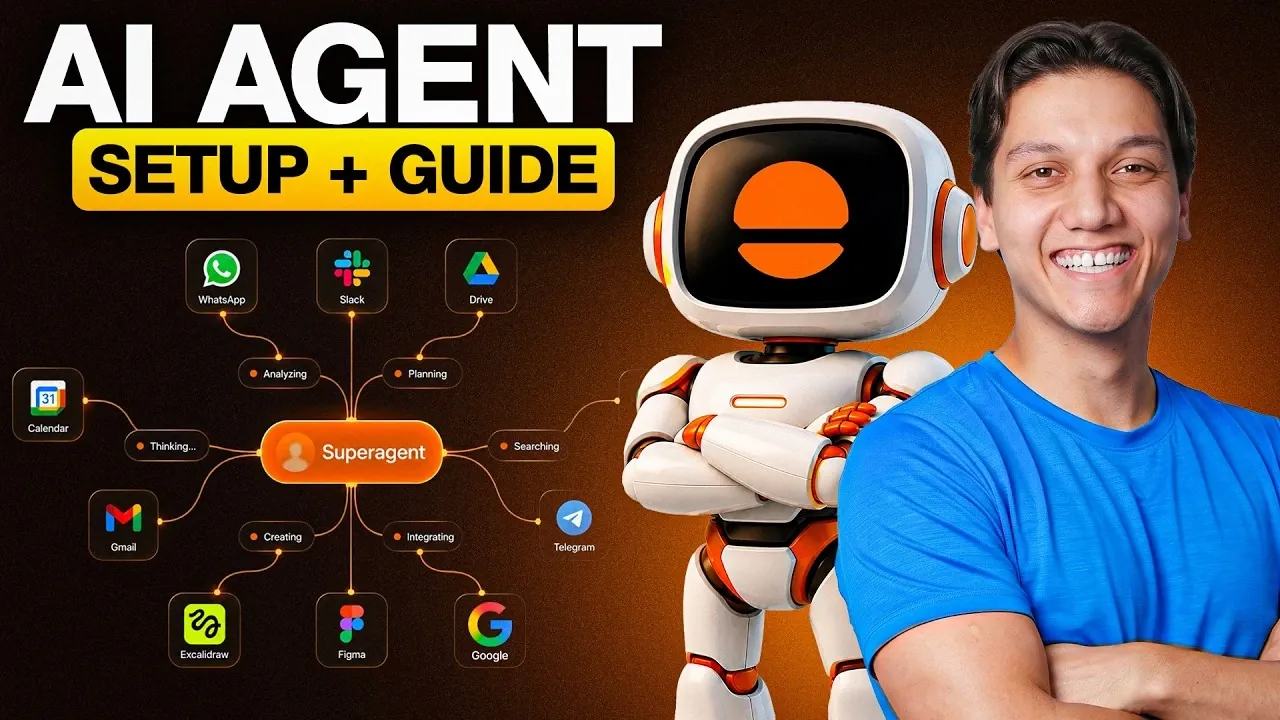
AI agents are no longer reserved for developers or tech experts. In a recent overview by Zinho Automates, the process of creating functional, no-code AI agents is broken down into a clear, step-by-step approach. By defining an agent’s purpose, integrating it with platforms like Gmail or Slack and configuring workflows, users can deploy these autonomous systems in as little as 15 minutes. For instance, an Inbox Management Agent can handle tasks such as reading emails, drafting replies and checking calendar availability, all while adhering to strict security permissions to protect sensitive data.
Discover how to apply these methods to your own needs, from automating social media publishing with a Content Publishing Agent to generating real-time insights using a Business Analysis Agent. You’ll also learn how features like memory settings and identity definition enable agents to adapt to evolving workflows and collaborate effectively. Whether you’re looking to optimize repetitive tasks or enhance decision-making, this guide offers actionable insights to help you get started.
What Are AI Agents?
TL;DR Key Takeaways :
- AI agents are autonomous tools that perform tasks independently, retain memory and adapt to changing workflows, making them ideal for automating repetitive tasks.
- Building AI agents involves defining their purpose, integrating tools, setting permissions and configuring workflows, with examples like Inbox Management, Content Publishing and Business Analysis agents.
- Core features of AI agents include identity definition, memory settings, tool integration and automation models, allowing them to function efficiently and align with user needs.
- Practical applications range from email management and content creation to data analysis, workflow optimization and customer support, enhancing productivity across various domains.
- Robust security measures, such as permission settings, encrypted API keys and data privacy protocols, ensure the safe and efficient operation of AI agents while protecting sensitive information.
AI agents are advanced automation tools designed to perform tasks autonomously. Unlike traditional chatbots that rely on user prompts, AI agents operate independently, often on predefined schedules, with the ability to retain memory and adapt over time. These agents are particularly effective for handling repetitive tasks, freeing you to focus on strategic priorities and critical decision-making.
Key Characteristics of AI Agents:
- Autonomy: Operate independently without constant user input.
- Memory Retention: Store and use information to improve performance over time.
- Adaptability: Adjust to changing workflows and user needs.
How to Build AI Agents
Creating an AI agent involves defining its purpose, integrating it with the right tools and configuring workflows to suit your needs. Below are three examples of AI agents you can build:
- Inbox Management Agent: This agent can read emails, draft replies, flag important messages and check your calendar for availability. By setting strict security permissions, you ensure sensitive data remains protected while the agent operates seamlessly.
- Content Publishing Agent: Ideal for social media management, this agent creates and schedules posts for platforms like LinkedIn and X (formerly Twitter). It uses memory settings to maintain a consistent brand voice across all communications.
- Business Analysis Agent: This agent analyzes data from sources such as website traffic, CRM systems and lead movement. It delivers actionable insights directly to platforms like Slack, allowing real-time decision-making and operational efficiency.

Below are more guides on AI agents from our extensive range of articles.
Core Features of AI Agents
AI agents are equipped with several essential features that enable them to function effectively and efficiently:
- Identity Definition: Each agent is assigned a specific “character” or set of behaviors to guide its actions. This ensures the agent aligns with your unique needs and objectives.
- Memory Settings: Agents can be configured with no memory, separated memory, or shared memory. Shared memory, for instance, allows multiple agents to collaborate on related tasks, improving workflow efficiency.
- Tool Integration: AI agents integrate seamlessly with platforms like Gmail, LinkedIn, CRM systems, Google Analytics and Slack. This connectivity enables them to access and process data from multiple sources.
- Automation Models: Agents can operate in supervised or unsupervised modes. Supervised interactions involve user oversight, while unsupervised automations run independently, requiring minimal intervention.
Practical Applications of AI Agents
AI agents are highly versatile and can be customized for a wide range of tasks. Here are some practical applications:
- Email Management: Automate tasks such as drafting responses, flagging important messages and scheduling meetings.
- Content Creation and Publishing: Generate and schedule posts across multiple platforms, making sure alignment with brand guidelines and audience preferences.
- Data Analysis: Provide real-time analytics and reports to support data-driven decision-making.
- Workflow Optimization: Share reusable templates for common tasks, saving time and improving consistency.
- Customer Support: Automate responses to frequently asked questions and escalate complex issues to human agents when necessary.
Security and Permissions
Security is a critical consideration when deploying AI agents. To ensure sensitive data remains protected, you must implement robust security measures, including:
- Permission Settings: Control access to specific data and functionalities to prevent unauthorized use.
- Hidden API Keys: Use encrypted keys to secure integrations with external platforms.
- Data Privacy Protocols: Ensure compliance with data protection regulations to safeguard user information.
These measures allow AI agents to perform their tasks efficiently while maintaining the integrity and confidentiality of your data.
Scalability and Adaptability
The framework for building AI agents is designed to be highly scalable, making it suitable for businesses of all sizes. Beyond the examples provided, AI agents can be tailored to handle a variety of tasks, such as:
- Customer Support: Automating responses to common inquiries and escalating complex issues to human agents.
- Inventory Management: Monitoring stock levels, generating restock alerts and optimizing supply chain operations.
- Financial Forecasting: Analyzing financial data to predict trends and support budgeting decisions.
- Project Management: Tracking progress, assigning tasks and sending reminders to team members.
This adaptability ensures that AI agents can evolve alongside your business, meeting new challenges and opportunities as they arise.
Unlocking the Potential of AI Agents
AI agents provide a practical, no-code solution for automating repetitive tasks and streamlining workflows. Whether managing emails, publishing content, or analyzing business data, these agents empower you to focus on higher-value activities. With features like identity definition, memory settings, tool integration and robust security, AI agents are a powerful tool for enhancing productivity and efficiency in any organization. By using their capabilities, you can unlock new levels of operational excellence and drive meaningful results in your business.
Media Credit: Zinho Automates
Filed Under: AI, Guides
Disclosure: Some of our articles include affiliate links. If you buy something through one of these links, Geeky Gadgets may earn an affiliate commission. Learn about our Disclosure Policy.
Credit: Source link