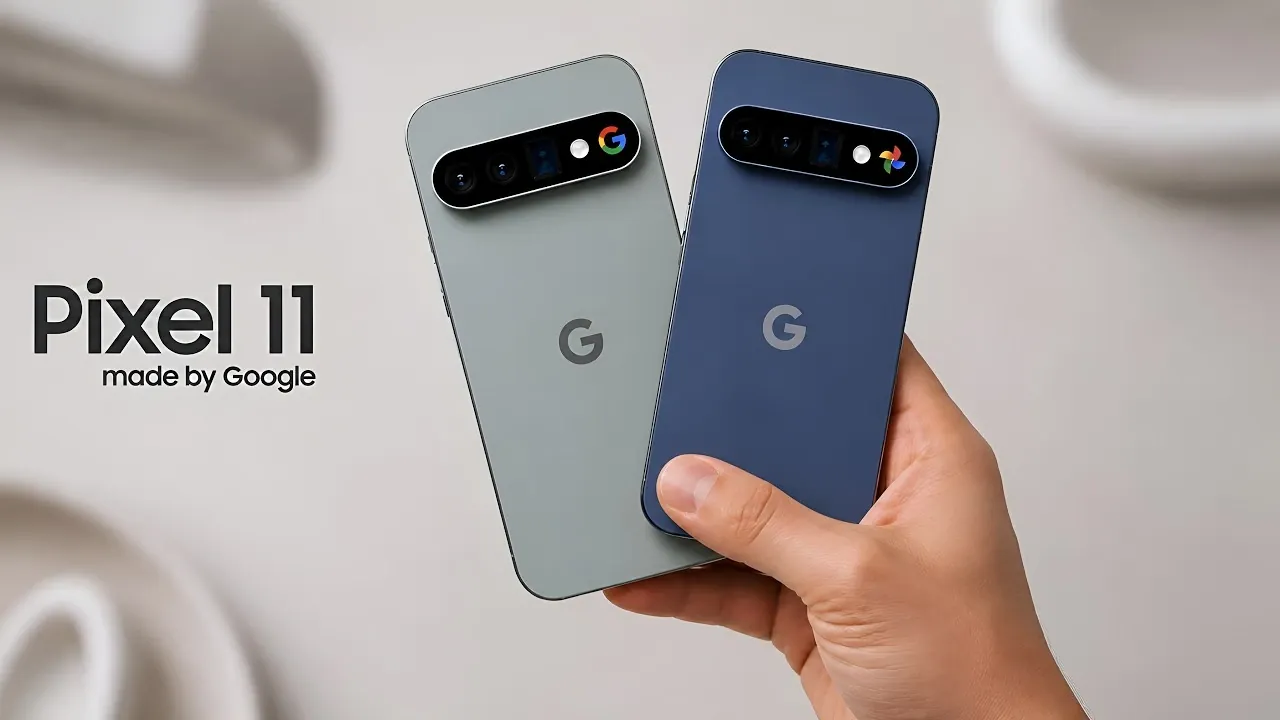
A recent leak about the Google Pixel 11 Pro XL has sparked widespread discussion, centered around the claim that the device can charge to 55% in just 5 minutes. If true, this would mark a significant advancement in charging technology for Google’s Pixel lineup. However, skepticism has arisen due to inconsistencies with the phone’s rumored hardware specifications. Alongside this bold claim, the leaks also reveal updates to battery capacity, design, and camera features, offering a glimpse into what could be Google’s most ambitious flagship smartphone yet.

Charging Speed: Breakthrough or Miscommunication?
The claim that the Pixel 11 Pro XL can achieve a 55% charge in just 5 minutes using a 45W USB-C charger has captured significant attention. If accurate, this would place the Pixel among the fastest-charging smartphones available today. However, doubts persist. The device is rumored to support only 30W wired charging, which is considerably slower than the 45W figure required for such rapid charging. This discrepancy has led many to speculate that the claim may be a typographical error, with the actual figure likely being 55% charge in 30 minutes—a more plausible scenario given the hardware limitations.
To provide context, competitors like Oppo and Xiaomi have already introduced devices capable of charging at over 100W, allowing full charges in under 20 minutes. Google, by contrast, has traditionally prioritized battery longevity and safety over raw charging speed. If the 5-minute claim proves accurate, it would represent a notable shift in Google’s strategy. However, until verified, this claim should be approached with caution, as it may reflect marketing miscommunication rather than a technological breakthrough.
Battery Capacity: Incremental Yet Promising
The Pixel 11 Pro XL is rumored to feature a 4,985mAh battery, a modest increase from the 4,700mAh capacity of its predecessor, the Pixel 10 Pro. While this improvement may seem minor, Google is reportedly focusing on software-driven battery optimization to enhance overall performance. Early leaks suggest the device could deliver up to 30 hours of battery life on a single charge, though real-world results will depend on factors such as screen usage, app activity and network conditions.
For modern smartphone users, longer-lasting batteries remain a top priority. Google’s emphasis on efficiency through software rather than relying solely on hardware upgrades aligns with its broader strategy of using AI and machine learning to improve user experiences. This approach could make the Pixel 11 Pro XL a compelling choice for users who value reliability and longevity over headline-grabbing specifications.
Design: A Sleeker, More Ergonomic Pixel
The Pixel 11 Pro XL is expected to feature a refreshed design, including a thinner and more streamlined camera bar. While retaining the signature Pixel aesthetic, this redesign aims to deliver a sleeker and more modern look. This change reflects Google’s effort to balance functionality with visual appeal, addressing user feedback on the bulkier designs of previous models.
In addition to the camera bar, the overall build of the Pixel 11 Pro XL is rumored to be slightly thinner and lighter, improving ergonomics and making the device more comfortable to use over extended periods. These updates suggest that Google is paying closer attention to the physical experience of its devices, an area where it has faced criticism in the past. By refining the design, Google aims to enhance both the usability and the visual appeal of its flagship smartphone.
Camera: Pushing the Limits of Computational Photography
The Pixel series has long been celebrated for its camera performance, and the Pixel 11 Pro XL appears poised to continue this legacy. The device is rumored to support up to 30x Super Zoom, relying heavily on computational photography to deliver impressive results. Rather than competing with rivals by increasing sensor sizes or adding more lenses, Google continues to focus on software-driven innovations to enhance image quality.
Advancements in computational photography are expected to improve low-light performance, dynamic range and zoom clarity, making the Pixel 11 Pro XL an attractive option for photography enthusiasts. This approach underscores Google’s philosophy of using AI to push the boundaries of smartphone photography, even with relatively modest hardware. By prioritizing software over hardware, Google aims to maintain its reputation as a leader in smartphone photography.
Competitive Landscape: How Does Google Stack Up?
In the highly competitive smartphone market, Google faces stiff competition from brands like Oppo, Xiaomi and Samsung, which have set new benchmarks for charging speeds and hardware innovation. While the Pixel series has traditionally lagged behind in areas like fast charging, it has excelled in software integration and user experience. The leaked charging claim, if accurate, could signal a shift in Google’s priorities, but it also raises questions about potential trade-offs.
Faster charging often comes at the expense of long-term battery health, a concern that Google has historically prioritized. By contrast, competitors have focused on delivering headline-grabbing speeds, sometimes at the cost of reliability over time. The Pixel 11 Pro XL’s rumored 30W charging support suggests that Google may still be treading cautiously, even as it explores faster charging technologies. This measured approach could appeal to users who prioritize battery durability and safety over sheer speed.
What Lies Ahead for the Pixel 11 Pro XL?
The claim that the Google Pixel 11 Pro XL can charge to 55% in just 5 minutes has undoubtedly captured attention, but its accuracy remains uncertain. Beyond this bold assertion, the device promises incremental improvements in battery capacity, design and camera features. These updates, while not innovative, reflect Google’s ongoing commitment to refining its flagship smartphones.
As the smartphone market continues to evolve, the Pixel 11 Pro XL’s success will likely depend on how well it balances performance, reliability and innovation. With its focus on computational photography, extended battery life and refined design, the Pixel 11 series aims to solidify Google’s position in the premium smartphone segment. However, as faster-charging rivals continue to push the boundaries of hardware innovation, Google’s ability to differentiate itself through software excellence and user experience will be critical in maintaining its competitive edge.
Check out more relevant guides from our extensive collection on Google Pixel 11 Pro XL that you might find useful.
Source & Image Credit: Demon’s Tech
Filed Under: Android News, Mobile Phone News, Technology News, Top News
Disclosure: Some of our articles include affiliate links. If you buy something through one of these links, Geeky Gadgets may earn an affiliate commission. Learn about our Disclosure Policy.
Credit: Source link