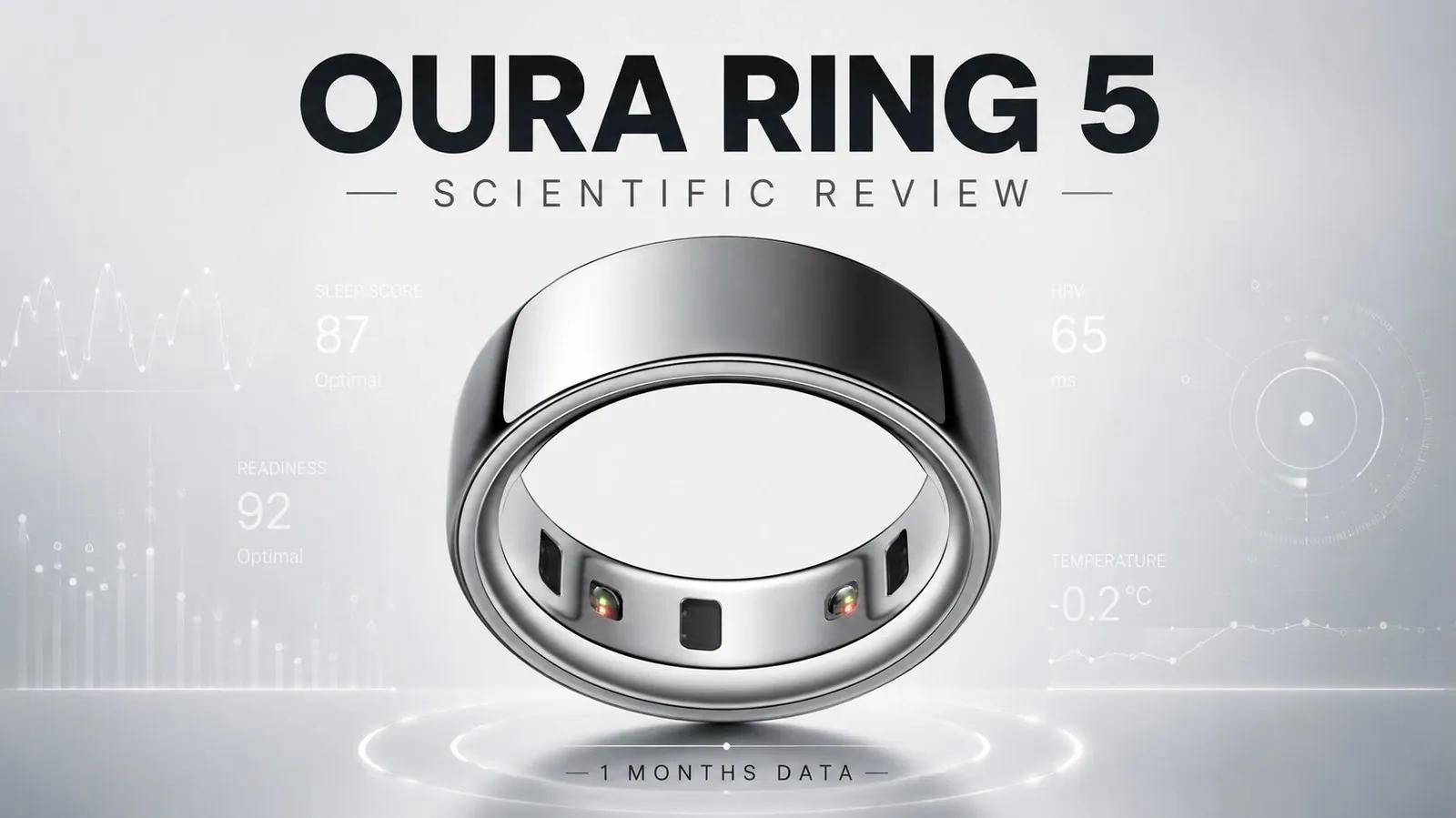
The Oura Ring 5 represents a blend of refined design and targeted health tracking, but its performance varies across key metrics. In a detailed analysis by The Quantified Scientist, the device’s standout feature—nighttime heart rate and HRV tracking—is highlighted for its exceptional accuracy, rivaling ECG chest straps. However, the review also uncovers notable shortcomings, including a decline in sleep stage tracking accuracy, particularly in REM sleep detection and inconsistent results during dynamic exercise heart rate monitoring. These findings provide a nuanced view of the Oura Ring 5’s capabilities and limitations after one month of continuous use.
Explore how the Oura Ring 5 compares to competitors in areas like sleep tracking precision and exercise performance metrics. Gain insight into its suitability for steady-state activities versus dynamic workouts and understand how its sleek design enhances wearability for daily use. This breakdown will help you assess whether the Oura Ring 5 aligns with your health and fitness priorities or if alternative wearables might better meet your needs.
A Sleeker, More Wearable Option
TL;DR Key Takeaways :
- The Oura Ring 5 features a smaller, more streamlined design, prioritizing comfort and style for long-term wear, making it a versatile option for daily use.
- It excels in nighttime heart rate and HRV tracking, offering exceptional accuracy comparable to ECG chest straps, making it ideal for recovery-focused users.
- Sleep stage tracking has regressed compared to the Oura Ring 4, with less reliable REM sleep detection, placing it behind competitors like Fitbit and Whoop.
- Exercise heart rate tracking shows moderate improvements but remains inconsistent, particularly during activities with rapid heart rate changes or hand pressure.
- While strong in recovery metrics, its limitations in sleep and exercise tracking make it less suitable for users seeking comprehensive fitness tracking solutions.
Design and Comfort
The Oura Ring 5 introduces a smaller, more streamlined design that prioritizes comfort for long-term wear. This improvement addresses a common issue with bulkier smart rings, such as the Ultra Human Ring Pro, which can feel intrusive during daily use. The lightweight and unobtrusive form factor ensures the ring integrates seamlessly into everyday life, whether you’re working, exercising, or sleeping. Its polished and minimalist aesthetic also appeals to users seeking a stylish alternative to traditional fitness wearables, making it a versatile choice for both casual and professional settings.
Nighttime Heart Rate and HRV Tracking: A Standout Feature
One of the Oura Ring 5’s most notable strengths lies in its exceptional accuracy in nighttime heart rate and HRV tracking. These metrics are critical for evaluating overall health, recovery and stress levels. The device consistently delivers results that are comparable to ECG chest straps, which are widely regarded as the gold standard in heart rate monitoring. For users who prioritize sleep and recovery insights, the Oura Ring 5 remains a top-tier choice, offering reliable data to guide lifestyle adjustments and optimize performance.

Unlock more potential in Oura Ring 5 by reading previous articles we have written.
Sleep Stage Tracking: A Step Backward
Despite its strengths in heart rate metrics, the Oura Ring 5 has taken a noticeable step backward in sleep stage tracking. REM sleep detection, in particular, has become less reliable, with frequent misclassifications as light sleep or awake time. While deep and light sleep tracking remain relatively accurate, these inconsistencies place the device behind competitors such as Fitbit, Apple Watch and Whoop, which currently offer more precise sleep tracking. For users who rely heavily on detailed sleep stage data, this limitation may be a significant drawback.
Exercise Heart Rate Tracking: Improvements with Limitations
The Oura Ring 5 demonstrates moderate improvements in exercise heart rate tracking, but its performance remains inconsistent. It performs well during steady-state activities, such as running, where heart rate changes occur gradually. However, the device struggles with activities involving rapid heart rate fluctuations or hand pressure, such as cycling. Indoor cycling results are generally more reliable than outdoor biking, but the Oura Ring 5 still lags behind wrist-based wearables like the Apple Watch and Garmin for dynamic activities. This limitation makes it less suitable for users who prioritize detailed exercise metrics.
How It Stacks Up Against Competitors
When compared to other fitness wearables, the Oura Ring 5 excels in nighttime heart rate and HRV tracking, distinguishing itself as a leader in these areas. However, its decline in sleep tracking accuracy and ongoing challenges with exercise heart rate tracking place it behind top-tier competitors like Fitbit and Whoop. In terms of sleep tracking, its performance now aligns more closely with mid-tier devices such as Garmin and Amazfit. For exercise metrics, wrist-based devices continue to outperform the Oura Ring 5, particularly during high-intensity or dynamic activities where rapid heart rate changes occur.
Key Takeaways
The Oura Ring 5 solidifies its position as a leader in recovery-focused metrics, particularly in nighttime heart rate and HRV tracking. Its sleek design and improved comfort make it an appealing choice for users seeking a wearable that integrates seamlessly into daily life. However, its decline in sleep stage tracking accuracy and persistent challenges with exercise heart rate tracking highlight areas where it falls short of competitors. These limitations suggest that the device is best suited for individuals who prioritize recovery and sleep insights over comprehensive fitness tracking.
Next Steps: Further Testing and Validation
To better understand the observed discrepancies in performance, further testing is planned with additional Oura Ring 5 units, different fingers and a broader user base. These efforts aim to determine whether the issues are device-specific or influenced by individual user factors. Additionally, the release of Oura’s internal sleep tracking validation studies is expected to provide greater clarity on the device’s performance and potential areas for improvement. This ongoing evaluation will be crucial in determining the Oura Ring 5’s long-term value as a health and fitness tool.
Final Thoughts
The Oura Ring 5 offers significant advancements in design and comfort, making it a more wearable and stylish option for everyday use. Its strengths in nighttime heart rate and HRV tracking reinforce its reputation as a recovery-focused device. However, its regression in sleep stage tracking and inconsistent exercise heart rate monitoring leave room for improvement. For users who prioritize recovery insights and value a sleek, unobtrusive design, the Oura Ring 5 remains a strong contender. However, those seeking a more comprehensive fitness tracking solution may find better options among wrist-based wearables.
Media Credit: The Quantified Scientist
Filed Under: Gadgets News, Top News
Disclosure: Some of our articles include affiliate links. If you buy something through one of these links, Geeky Gadgets may earn an affiliate commission. Learn about our Disclosure Policy.
Credit: Source link