
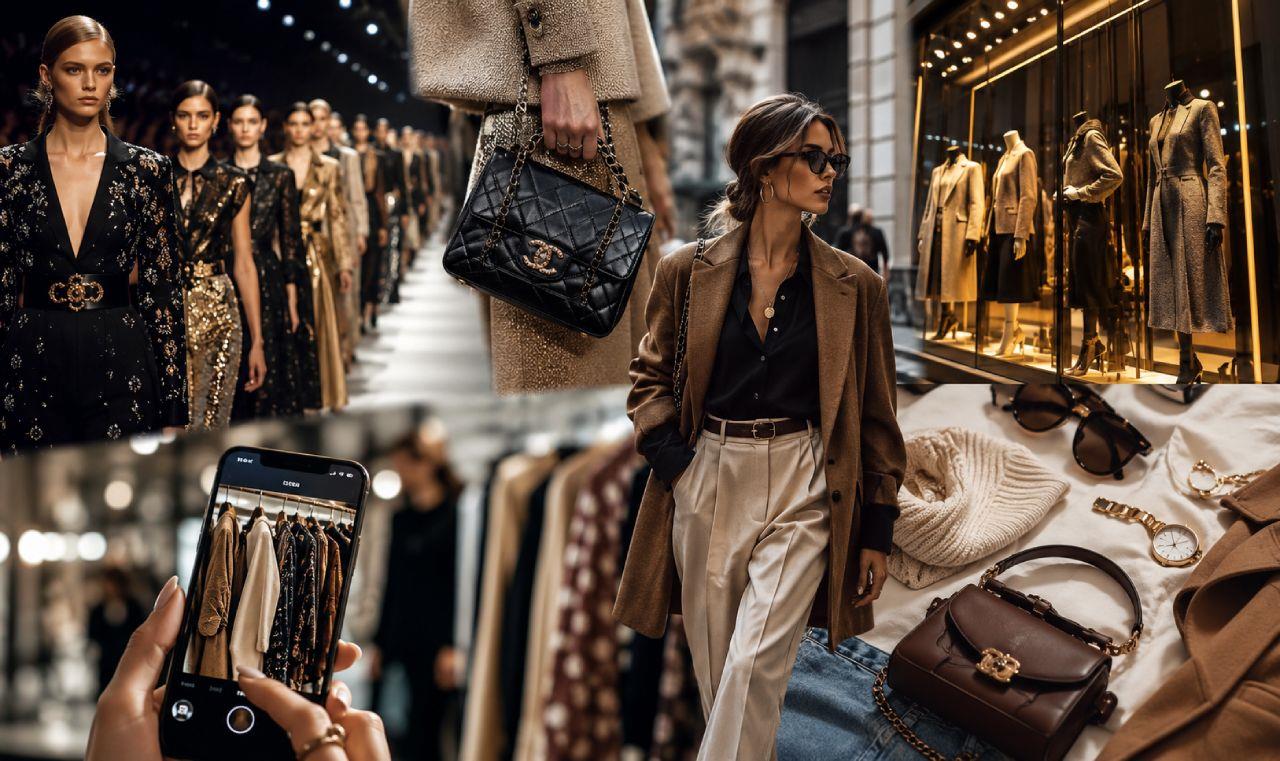
Fashion has always been a reflection of society, culture, and aspiration. While trends may seem to emerge overnight on social media or appear suddenly in retail stores, many of them often originate in a much more exclusive space: the world of luxury fashion. From designer runways in Paris and Milan to the wardrobes of celebrities and influencers, luxury brands play a significant role in shaping what eventually becomes popular among everyday consumers.
The relationship between luxury fashion and mainstream style is a fascinating cycle of creativity, influence, adaptation, and accessibility. While luxury brands create trends, mainstream fashion translates them into wearable and affordable options for a wider audience. This dynamic has existed for decades, but in today’s digitally connected world, the process happens faster than ever before.
The Traditional Role of Luxury Fashion
Luxury fashion houses have long been considered the industry’s creative pioneers. Brands such as Chanel, Louis Vuitton, Gucci, and Prada invest heavily in research, craftsmanship, design innovation, and trend forecasting.
Their runway collections are not simply about selling clothing. They often serve as artistic statements that introduce new silhouettes, fabrics, colour palettes, and styling concepts. Fashion editors, buyers, influencers, and industry professionals closely observe these collections because they often provide a glimpse into the future direction of fashion.
Beyond setting trends, luxury fashion houses often act as cultural storytellers, drawing inspiration from art, history, architecture, and global social movements. Their influence extends beyond clothing, shaping consumer preferences in beauty, accessories, lifestyle, and even interior design, making them key drivers of broader aesthetic trends.
Historically, trends would take months, or even years, to move from luxury runways into mainstream wardrobes. Today, however, that timeline has shortened dramatically due to digital media and fast fashion.
The Trickle-Down Effect in Fashion
One of the most widely discussed concepts in fashion economics is the ‘trickle-down’ theory. This theory suggests that fashion trends begin among affluent consumers and luxury brands before gradually spreading to the mass market.
For example, when luxury designers introduce oversized blazers, wide-leg trousers, statement belts, or bold metallic fabrics, these styles often appear in high-street stores within a few months. Retailers reinterpret the trend using more affordable materials and manufacturing processes, making it accessible to a broader audience.
This process allows consumers to participate in current fashion movements without paying luxury prices while maintaining the aspirational appeal associated with designer styles. The trickle-down effect highlights how luxury fashion serves as a testing ground for new ideas before they are embraced by the wider market. While the original designer pieces remain exclusive, their influence becomes visible across different price points, allowing trends to reach consumers from all walks of life.
Runway Shows as Trend Forecasts
Luxury fashion weeks held in cities such as Paris, Milan, New York City, and London are among the most influential events in the fashion calendar.
Designers use these platforms to introduce:
- New colour trends
- Innovative fabrics
- Emerging silhouettes
- Accessories and footwear styles
- Seasonal styling concepts
Fashion retailers, trend analysts, and media outlets closely monitor these collections. The trends highlighted during fashion week often influence everything from department store collections to online shopping recommendations and seasonal marketing campaigns. A single runway show can spark trends that dominate the fashion landscape for years.
One notable example is the rise of the ‘Barbiecore’ trend after the global success of the Barbie movie. The Barbiecore trend gained remarkable popularity on social media, attracting more than 505 million TikTok views1 and significantly increasing consumer interest in pink-themed fashion and beauty aesthetics.
Valentino’s Fall/Winter 2022 ‘Pink PP’ collection2 featured head-to-toe pink looks that quickly captured the attention of fashion editors, celebrities, and influencers. Within months, pink clothing, accessories, and footwear appeared across mainstream retailers worldwide, demonstrating how runway trends often forecast what consumers will soon see in stores and on social media.
Celebrity Endorsements Amplify Luxury Influence
Luxury brands rarely rely solely on traditional advertising. Instead, they strategically place their designs on celebrities, musicians, actors, athletes, and public figures.
When a celebrity wears a designer outfit at a major event, the exposure can be enormous. Social media platforms instantly distribute images across the globe, inspiring consumers and fashion enthusiasts alike. The influence becomes even stronger when celebrities consistently align themselves with specific luxury labels. Their followers often seek to emulate their style, creating demand for similar looks at more accessible price points. This is particularly evident during major events such as film premieres, fashion weeks and award ceremonies.
Luxury brands understand that visibility drives aspiration, and aspiration drives trends. A strong example is Priyanka Chopra Jonas, who serves as a global ambassador for Bvlgari3 and a Testimonee for Rolex4. Through her appearances at international events, fashion campaigns, and social media platforms, she brings luxury fashion and accessories to a vast global audience. Her posts frequently generate significant engagement, inspiring followers to embrace similar aesthetics, from statement jewellery and luxury timepieces to refined, elegant styling.
The Social Media Revolution
The rise of platforms such as Instagram, TikTok, and Pinterest has transformed how fashion trends spread.
In the past, consumers relied on fashion magazines and television coverage to discover new styles. Today, luxury runway looks can reach millions of users within minutes. Fashion trends are no longer driven solely by designers and editors; influencers, content creators, and even everyday users now contribute to trend cycles by interpreting and sharing luxury-inspired looks with their audiences.
Fashion influencers play a critical role in this process. They often showcase luxury-inspired styling ideas and demonstrate how high-end trends can be adapted for everyday wear. As a result, trends move from runway to consumer wardrobes faster than ever before. Social media has effectively democratised fashion influence, allowing trends to spread globally regardless of geographical boundaries.
A notable example is the rise of the ‘old money’ aesthetic on Instagram and TikTok. Inspired by the understated elegance associated with luxury brands such as Ralph Lauren, Hermès, and Brunello Cucinelli, the trend gained massive traction through influencer content featuring tailored blazers, neutral tones, loafers, and timeless accessories. Millions of users recreated the look and shared their interpretations online, prompting mainstream retailers to introduce collections inspired by the aesthetic. The phenomenon demonstrated how social media can transform luxury-inspired styles into global fashion movements almost overnight.
Luxury Brands Shape Consumer Aspirations
One reason luxury brands hold such influence is their ability to create desire. Luxury fashion is often associated with prestige, exclusivity, craftsmanship, heritage, status and innovation.
Consumers may not always purchase luxury products directly, but they often aspire to the lifestyle and image these brands represent. As a result, mainstream brands frequently incorporate luxury-inspired elements into their collections. Consumers can then achieve a similar aesthetic without investing in designer pieces. This aspirational relationship fuels the continued influence of luxury fashion across all market segments.
In India, the popularity of luxury brands such as Louis Vuitton and Gucci has fuelled demand for monogrammed handbags, statement belts, oversized sunglasses, and logo-driven fashion. While many consumers may not purchase these luxury products directly, they often seek similar styles from premium and high-street brands. This aspirational appeal encourages mainstream retailers to incorporate luxury-inspired design elements into their collections, making high-fashion aesthetics accessible to a broader audience.
Designer Collaborations Bring Luxury to the Masses
In recent years, collaborations between luxury brands and mainstream retailers have become increasingly common.
These partnerships allow consumers to access designer-inspired products at significantly lower price points. They also introduce luxury aesthetics to audiences who may not typically engage with high-fashion brands. A notable example is the collaboration between H&M and Mugler in 2023.5 The collection brought Mugler’s distinctive silhouettes and high-fashion aesthetic to a broader audience at accessible price points. The launch generated significant buzz on social media and sold out quickly, highlighting consumers’ continued appetite for luxury design made more attainable through mainstream retail partnerships.
Such collaborations have demonstrated that consumers are eager to experience luxury design in a more accessible format. These partnerships often sell out quickly, highlighting the strong connection between luxury influence and mainstream demand. Designer collaborations also blur the lines between exclusive and accessible fashion, creating new opportunities for innovation.
Luxury Brands and the Rise of Streetwear
One of the most significant shifts in modern fashion has been the integration of streetwear into luxury fashion.
For decades, luxury fashion focused primarily on formalwear, tailoring, and traditional craftsmanship. However, consumer preferences evolved, and luxury brands began embracing street-inspired aesthetics. Oversized hoodies, sneakers, graphic logos, cargo pants, and relaxed silhouettes became central components of luxury collections.
Once luxury brands legitimised these styles, mainstream fashion rapidly followed. Today, streetwear influences virtually every segment of the apparel industry, from budget retailers to premium fashion labels. This shift illustrates how luxury brands can redefine what is considered fashionable and desirable.
A notable example is Louis Vuitton’s continued embrace of streetwear under the creative direction of Pharrell Williams6. Since his debut menswear collection in 2023, Pharrell has incorporated elements such as varsity jackets, cargo-inspired silhouettes, statement sneakers, relaxed tailoring, and bold graphics into luxury fashion. The collections received significant attention across social media and fashion media, further reinforcing the acceptance of streetwear aesthetics within the luxury segment.
Sustainability Trends Start at the Top
Luxury brands increasingly influence mainstream fashion through sustainability initiatives.
Consumers today are more conscious about environmental impact, ethical sourcing, and responsible consumption. In response, many luxury fashion houses have invested in sustainable materials, ethical production practices, circular fashion models, product longevity and supply chain transparency.
While mainstream adoption may take time, luxury brands often serve as testing grounds for innovative sustainability practices. As these initiatives prove successful, they gradually influence broader industry standards. A notable example is Stella McCartney7, which has long championed sustainable fashion through the use of cruelty-free materials, responsible sourcing, and innovative eco-friendly textiles. The brand’s success has encouraged both luxury and mainstream fashion labels to adopt more sustainable practices.
The growing popularity of vintage luxury, resale platforms, and investment dressing further demonstrates how luxury fashion is shaping consumer attitudes towards long-term value and responsible purchasing.
Fast Fashion’s Response to Luxury Trends
Fast-fashion retailers have become highly skilled at identifying and adapting luxury trends.
When luxury collections introduce new styles, fast-fashion brands quickly analyse the designs and create affordable interpretations for their customers. This responsiveness allows trends to reach the mass market within weeks rather than months. While this process has increased trend accessibility, it has also sparked conversations around originality, sustainability, and intellectual property within the fashion industry.
Nevertheless, the influence of luxury fashion remains central to this cycle, providing much of the creative inspiration that drives trend adoption. For instance: Luxury brands such as Saint Laurent and Bottega Veneta showcased oversized blazers, wide-leg trousers, and fluid silhouettes on their runways. Within a short period, fast-fashion retailers around the world introduced similar pieces at more affordable price points, making the trend accessible to younger consumers. This rapid adaptation highlights the speed at which luxury runway concepts are now translated into mainstream fashion.
Digital Fashion and the Future of Influence
As technology continues to evolve, luxury brands are expanding their influence into digital spaces.
Virtual fashion shows, digital clothing, augmented reality experiences, and metaverse-based fashion initiatives are creating entirely new avenues for trend development. Luxury brands often have the resources to experiment with emerging technologies before they become widely adopted. As a result, they frequently establish the direction that future fashion experiences may take.
Just as luxury brands once shaped physical fashion trends, they are now helping define the future of digital style and consumer engagement. A notable example is Gucci’s continued investment in digital fashion and immersive virtual experiences.8 The brand has collaborated with gaming platforms, launched digital wearables, and created virtual spaces where consumers can interact with its products beyond traditional retail environments. By experimenting with digital ownership, virtual styling, and online brand experiences, Gucci has demonstrated how luxury fashion can extend into emerging digital ecosystems.