
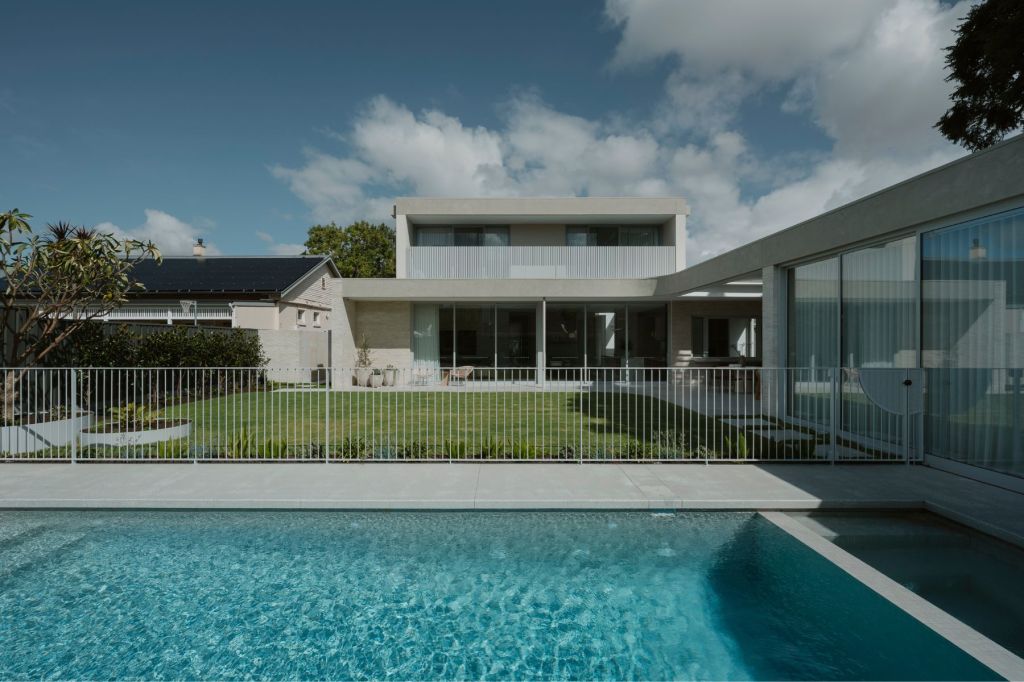
Quality, timelessness, wellness – three trends driving a new era of luxury homebuilding in Adelaide, according to the operators of Klemm Homes.
The company recently won the Contract Home $2m-$4m category at the Master Builder SA Building Excellence Awards, and is behind some of the most luxurious new builds in Adelaide.
In an interview with InDaily, director Troy Klemm and head of creative and design Carmel Siciliano-Klemm pointed to broader trends shaping the design of new luxury homes.
The two saying the top end of town wanted wellness in their homes (the in-house sauna is becoming more popular) instead of extravagance.
While downsizing without compromising on quality is another major trend driving luxury home designs, function and feeling are prioritised over space.
What does ‘luxury’ homebuilding entail in SA these days?
For us, luxury is much more than the size or cost of a home. It’s the level of thought that goes into every part of the project — the architecture, materials, craftsmanship, functionality and how the home sits on its site.
Our clients are looking for something genuinely bespoke. They want a home that reflects how they live, rather than taking a standard plan and adding expensive finishes to it.
There’s also a much greater appreciation for quality and longevity. Natural materials, excellent craftsmanship, considered detailing and homes that will still feel relevant in 10 or 20 years are becoming increasingly important. Almost like leaving a legacy.
What trends are new luxury homebuilders attracted to?
We’re seeing a real move towards more considered, timeless design rather than simply trying to make a home bigger or more extravagant.
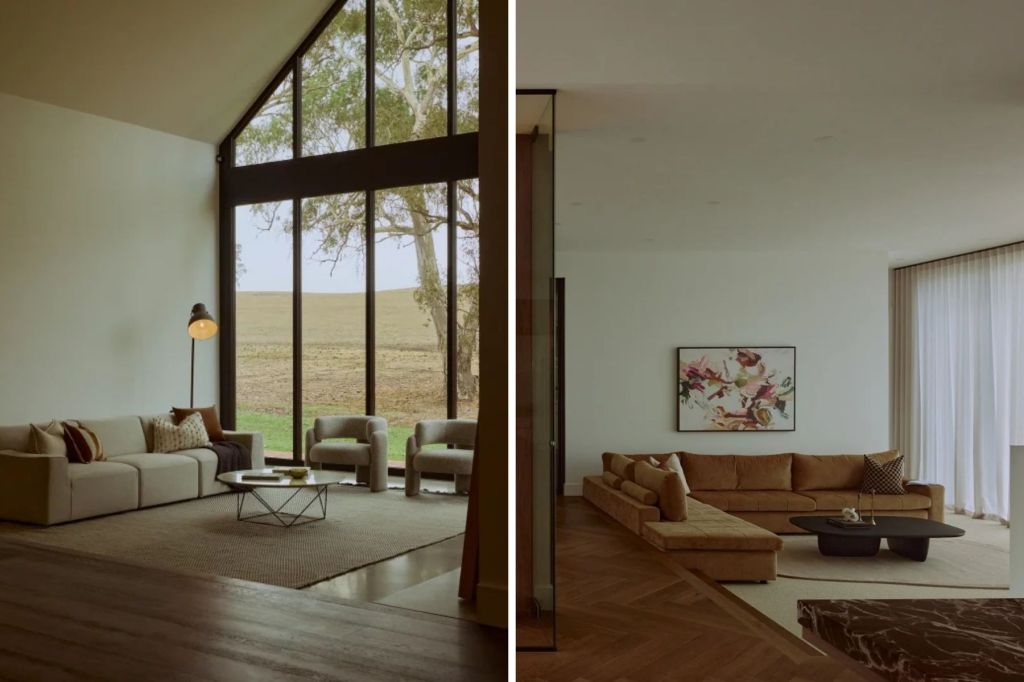
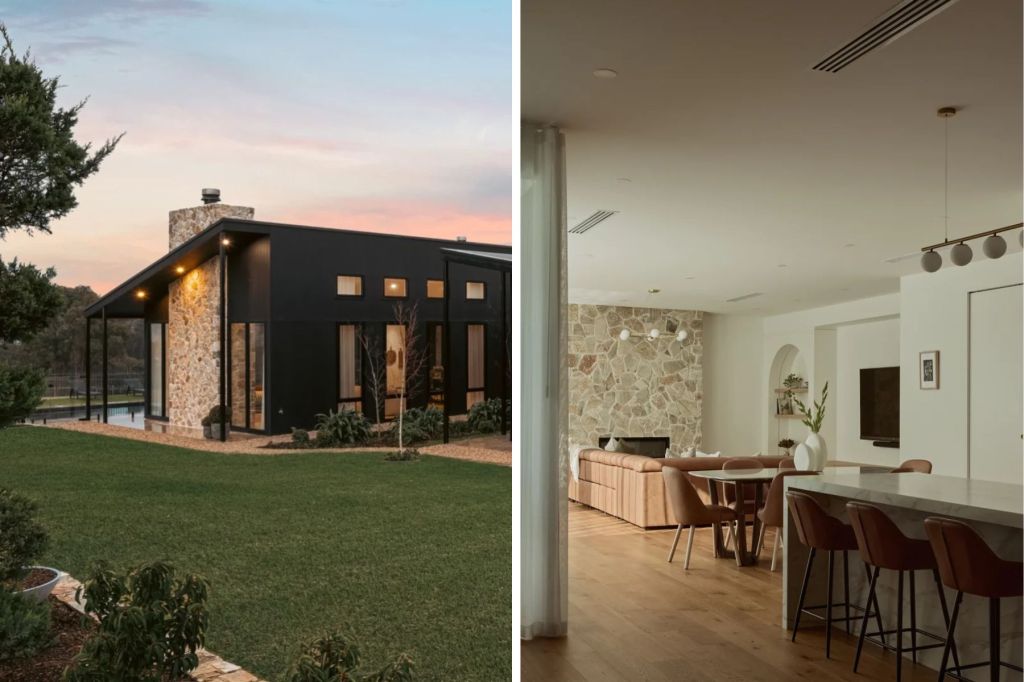
There’s a strong focus on natural materials, stone, natural bricks, timber, texture and bringing the outside in. Clients are also putting a lot more thought into entertaining spaces, kitchens, landscaping, pools and outdoor living because they want the whole property to work as one.
Technology and automation are also becoming a much bigger part of the conversation. Clients are looking for smarter homes where lighting, temperature control, security, audio and other systems can be integrated seamlessly into the way they live. It’s less about technology being on display and more about making the home feel effortless, connected and intuitive.
From a construction perspective, we’re also seeing clients become more interested in the things they might not immediately see — insulation, glazing, acoustics, energy efficiency, orientation of sun and the quality of the construction itself.
We’re seeing a big focus in entertaining/alfrescos and the importance of spending time at home.
Another big trend is “Wellness areas” with the integration of home saunas, yoga or Pilates rooms and the ability to “chill out” at home. We are building lots of rooms or ‘out houses’ to accommodate this change in lifestyle and people seeing the importance of balance.
Does luxury mean big and bold, or is modesty in size and style more the vibe?
I think there’s definitely been a shift away from “bigger is always better”.
We’re seeing clients who have the means to build very large homes choosing to be more disciplined about the size. They would rather have 500ish square metres that is beautifully designed and highly considered than 800 square metres with spaces they rarely use.
Luxury is really about how a home feels and functions. A beautifully proportioned, highly detailed home can feel far more luxurious than a huge house simply because it has more square metres.
Are you seeing a ramp up in inquiries or is the cost of living crisis slowing demand for Klemm?
At the high end of the market, our clients are generally in a different position to the broader volume-building market, so we haven’t seen the same level of sensitivity to interest rates and the cost-of-living pressures.
That said, people are still being very considered with their decisions. Even affluent clients want to know they’re getting genuine value for the investment they’re making.
We’re also finding that clients are taking longer to make decisions because there are so many elements to a high-end build. Once they commit, though, they’re looking for the best possible outcome rather than simply the cheapest option.
The biggest shift is our clients are considering how they live “off the grid.” This means Solar, battery, underfloor heating, heat pumps + gas-less. Every job is considered and time is spend how we can achieve this to maintain the lowest costs in ‘running the home” after it is built.
Are wealthier home builders in SA still looking for a traditional home, or are apartments becoming more of a trend?
There will always be a strong market for beautiful homes, particularly in Adelaide where the relationship between the home, garden and outdoor living is such an important part of the lifestyle.
But we are seeing more interest in smaller boutique turnkey luxury homes for our larger “boomer generation” in Adelaide; particularly from people who want a lock-up-and-leave lifestyle or who are looking to simplify.
It really comes down to the stage of life they’re at. A younger family might want a large bespoke home with gardens and entertaining spaces, while an older client might have the financial capacity to build something spectacular but simply doesn’t want the maintenance that comes with it.
How is the ‘downsizing’ trend impacting the business, particularly for older, wealthier clients?
We’re definitely seeing a shift towards what I’d call right-sizing rather than downsizing.
Our older clients aren’t necessarily looking to compromise on quality. In fact, quite often they have a very clear idea of what they want and are prepared to invest heavily in achieving it.
They might move from a 1,000-square-metre family home into a much smaller property, but that new home can still have beautiful materials, high-end finishes, exceptional joinery, a lift, wine storage, a pool, outdoor entertaining and all the things that make the home special.
The difference is that every square metre has a purpose.
What are some of the main challenges impacting the house construction sector right now?
One of the biggest challenges is the cost and availability of skilled labour.
At the high end of the market, there is no substitute for experienced tradespeople. You can specify the best materials in the world, but if you don’t have the right people installing and finishing them, you won’t achieve the result you’re after.
There are also ongoing pressures around material costs, lead times and the increasing complexity of construction.
The other challenge is that clients are becoming more sophisticated. Expectations around energy efficiency, technology, materials and detailing are continually increasing, so builders need to continually evolve as well.
What is your read on the broader market — will things improve or get worse?
We think there will always be challenges in construction, but fundamentally the demand for quality housing isn’t going away.
Adelaide has changed significantly over the past decade. There is a strong group of people who want to build exceptional homes here, and we’re seeing continued investment in quality residential property.
I think the market will continue to become more discerning. The businesses that will do well are the ones that have strong relationships with their clients, control quality and genuinely care about the finished product.