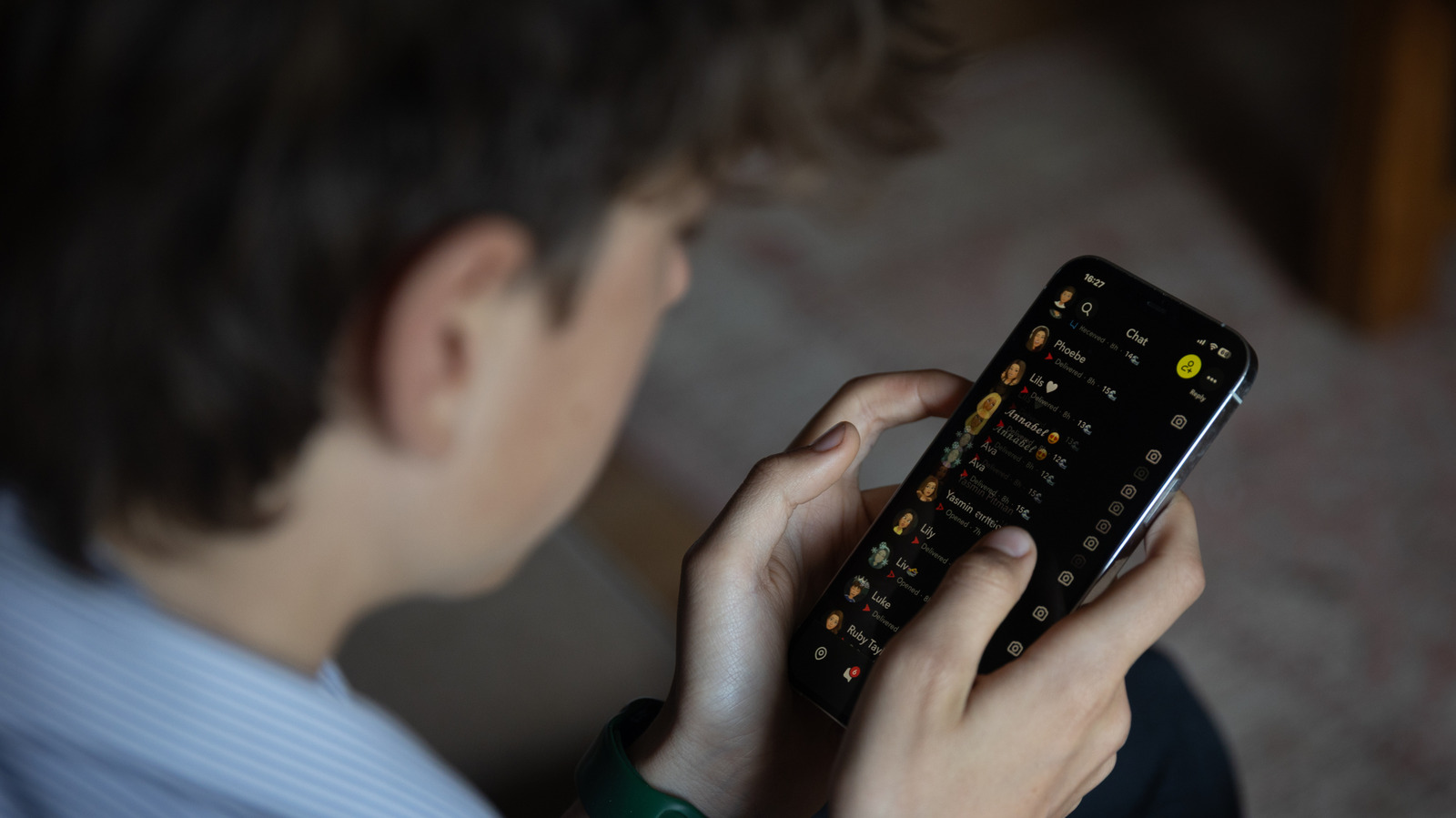
One day after Instagram’s top exec was asked in court about his team’s efforts to “limit” his access to teen safety data, Meta opted to settle rather than continue with several more weeks of trial. Meta’s settlement with state attorneys general requires it to make sweeping changes to how teens use Facebook and Instagram, including stricter age verification measures and limits on notifications, like counts and overall screentime for teens. It also agreed to pay as much as $18 billion to 48 states and four US jurisdictions in order to fund additional online safety initiatives.
But the terms of the settlement also include some more unusual provisions: nearly a third of Meta’s payouts, roughly $5.3 billion, hinges on TikTok and YouTube agreeing to similar product changes and fines. “We want to ensure teens benefit from this new industry standard, but we cannot do it alone,” Meta wrote in an open letter to its competitors. “These protections will only be truly effective if we work with our peers — TikTok and YouTube — to put the same measures in place.”
“It’s very unusual,” says Nikolas Guggenberger, an assistant professor at the University of Houston Law Center. “It fuses the interests of both the AGs and Meta together, in a sense that both of them can now pressure, and have an incentive to pressure, the other players into a similar agreement.” It’s a strategy that seems designed to exert maximum pressure over the rest of the industry, according to legal experts who spoke with Engadget. And there’s a good chance it could work, they said.
As part of the proposed settlement, the restrictions Meta has agreed to will become even stricter if its counterparts also sign onto the changes. For now, Meta has committed to limiting teens’ screentime to two hours a day and to cutting off their ability to post or scroll entirely between midnight and 6AM. But, “if Snapchat, TikTok, and YouTube accept comparable terms,” Colorado’s Attorney General Phol Wiser explained in a press conference, “the daily limit on each platform is going to drop to 60 minutes for 10 years.” Likewise, the nighttime block would lengthen from 10PM to 7AM if all companies signed onto the agreement. The judge in the case still has to approve of these terms, though she indicated she was likely to do so in a hearing Wednesday.
TikTok, YouTube and Snap were not directly involved in the states’ case against Meta, which centered around allegations that the company misled the public about the safety of its apps and wrongfully collected data from children. While it’s not surprising Meta would want its competitors to be forced into similar concessions, those companies would seemingly have little incentive to do so.
It’s not yet clear how Meta’s competitors will react. Google and TikTok didn’t respond to requests for comment. A spokesperson for Snap declined to comment. But all three companies are likely “feeling more exposed” in the wake of Meta’s settlement, according to James Grimmelmann, a law professor at Cornell University.
“They’ve just lost Meta as an ally on their side in lobbying against legislation or in continued litigation around this,” Grimmelmann said. “The attorney general has [had] success on this first [case] and [is] emboldened to continue, and the public sentiment against social media companies is really strong.”
TikTok, Snap and YouTube are also facing their own legal dilemmas. TikTok has been sued by a coalition of state attorneys general. The city of New York has sued all three companies for their alleged impact on teen mental health. The companies are also collectively facing thousands of lawsuits from school districts and individuals who claim the companies’ apps have harmed them.
Meta’s settlement could end up fueling even more lawsuits against all of the social media companies, Guggenberger said. “It acts as a solidification of the general premise that these types of lawsuits and legal actions and this type of litigation can be successful.” With that on the horizon, Snap, Youtube and TikTok are likely to have even less of an appetite for a new fight with the states.
For their part, the states have made it clear that they are hoping the settlement is the start of new, industry-wide standards for social media platforms. “With the momentum that we’ve built, the success that we’ve secured here, we will be focusing on the rest of the industry,” California Attorney General Rob Bonta said during a press conference. TikTok, YouTube and Snap, he added, “should be thinking very closely” about their next move. “We expect similar outcomes from them as well, and there’s a lot of ways we can do it.”
Credit: Source link