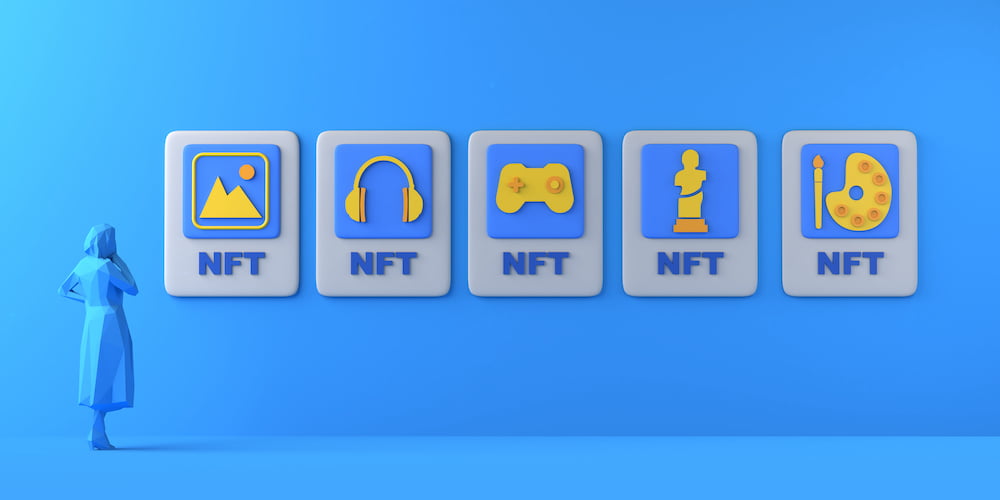
A new draft law in the UK, “The Property (Digital Assets etc) Bill”, could represent a consequential move in the international regulation of digital assets, such as Bitcoin and NFTs. By placing a definitive classification upon them—that of personal property—the UK seeks to furnish a legal framework that, while not perfect, brings a measure of both clarity and protection to digital asset owners.
In contrast, the U.S. Securities and Exchange Commission is taking a different approach across the Atlantic, focused on regulatory depth and enforcement actions, particularly around NFTs.
U.K.’s Business-Friendly Approach: Clarifying Digital Ownership
On September 11, 2024, the UK began to take a forward-looking approach to the regulation of digital assets with the introduction of the Property (Digital Assets etc.) Bill. While many countries are still grappling with how to categorize Bitcoin, NFTs, and other digital assets, the UK has moved quickly to issue what is essentially a primer on the legal status of these technologies.
This Bill not only offers protection and guidance for owners of digital assets but also provides a clear road map for authorities to follow when dealing with disputes, fraud, and asset recovery in this new digital realm.
The UK’s approach is designed to provide clarity and foster growth within the rapidly evolving crypto industry. By offering legal recognition to digital assets, Britain is positioning itself as a global leader in technology-driven markets, with Justice Minister Heidi Alexander stating that the Bill will help “drive forward growth” and “keep Britain at the heart of the international legal industry.”
Current developments also have wider advantages for the UK legal sector, which is already worth £34 billion a year to the economy. The revised legal structure will better prepare the industry to deal with the latest technologies, enticing yet more business and investment. With English law ruling over £250 billion in global mergers and acquisitions and managing 40% of the world’s corporate arbitrations, it seems vital to ensure the UK remains at the leading edge of legal practices if it is to secure this lucrative international market.
SEC’s Regulatory Scrutiny: Targeting NFTs and Crypto Markets
On the other hand, the regulatory spotlight has been intensifying on the United States Security and Exchange Commission’s (SEC) part, with NFTs and cryptocurrencies taking centre stage. The recent issuance of a Wells notice to OpenSea (the biggest NFT marketplace) has set off alarm bells about what some might see as the SEC overreaching in its oversight of the fast-evolving digital asset space.
The key takeaway from the agency’s recent action is that, according to the SEC, the NFTs traded on OpenSea should be classified as unregistered securities.
While OpenSea has promised to contest the SEC’s accusations, this enforcement action aligns with a broader trend. The SEC is attempting to apply traditional securities laws to the realms of crypto- and NFT-mania, which it sees as among its mandates to protect investors.
In its view, digital assets of the kind on which OpenSea operates could be classified as securities and thus require regulation. This position has spurred criticism from the crypto community, which isn’t shy about calling the SEC’s actions and motives into question.
The UK legislation aims to encourage growth and innovation. In contrast, the SEC’s pursuit of enforcement could have the opposite effect, according to the many voices in the burgeoning NFT industry who see it as a reasonably creative and innovative space.
Two Regulatory Philosophies, One Global Market
In its decision to regard digital assets as personal property, the UK sharply contrasted itself with the U.S., which has taken a much less favourable approach to the industry.
The U.K.’s clear legal framework invites investment and crypto business to its shores. At a time when countries all over the world are struggling to figure out how to regulate these new assets, the UK’s business-friendly approach may well give it an edge in the global tech race.
The UK’s and the U.S.’s approaches demonstrate a widening divergence in how the major economies of the West choose to regulate digital assets. The UK seems intent on both providing a clear legal framework for the crypto sector and on fostering innovation—both important signals for an industry that is groping its way through a murky legal environment.
The U.S., through the SEC, seems resolved on applying existing (and in many cases, quite old) securities laws to an industry that bears little in common with the types of firms and products that these laws were originally meant to regulate.
Editor’s note: Written with the assistance of AI – Edited and fact-checked by Jason Newey.

Credit: Source link