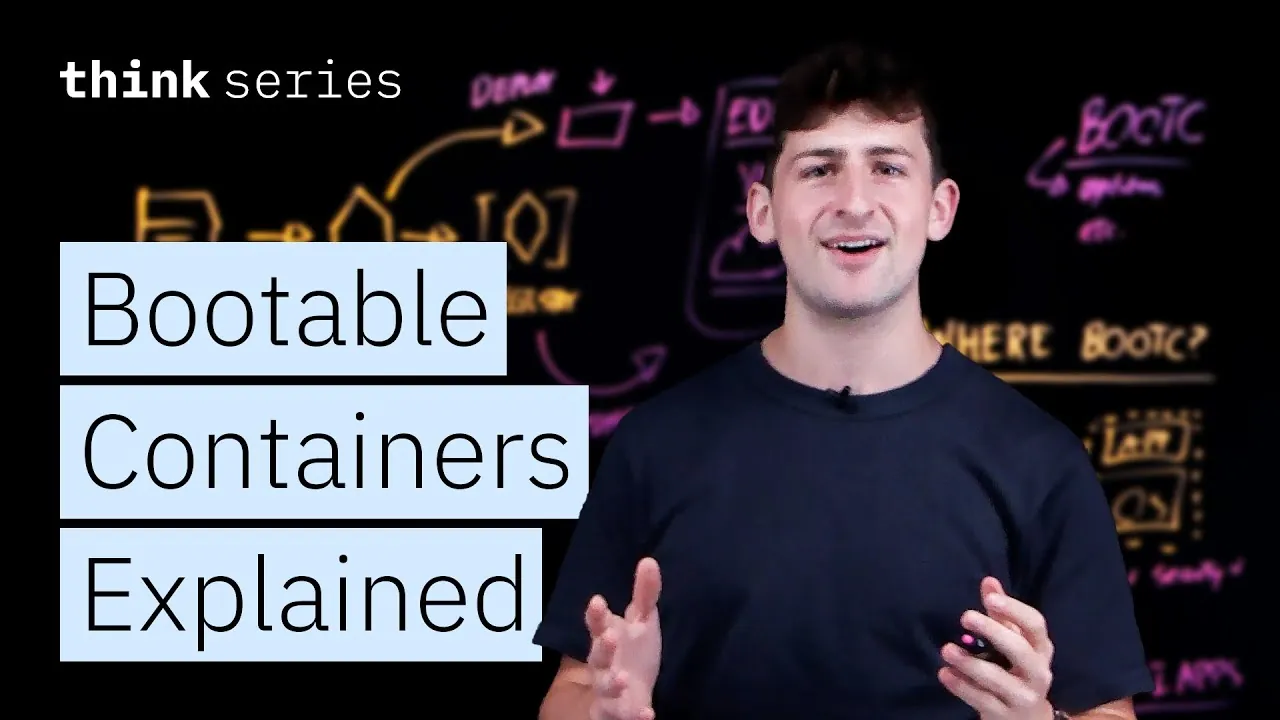
What if you could package an entire operating system, its applications, and every dependency into a single, unchangeable unit—ready to deploy anywhere, from a remote IoT sensor to a sprawling hybrid cloud? This isn’t a futuristic concept; it’s the reality of bootable containers, a new evolution in containerization. Unlike traditional containers that focus on isolating applications, bootable containers take it a step further by bundling the operating system itself. This innovation promises not only to simplify deployments but also to enhance security and consistency, addressing some of the most pressing challenges in modern IT environments. Whether you’re managing AI workloads or deploying systems at the edge, bootable containers could redefine how you think about system management.
IBM Technology explain the fantastic potential of bootable containers, from their atomic and immutable design to their adaptability across diverse platforms. You’ll discover how tools like Podman and Bootc are empowering organizations to deploy faster, secure more effectively, and scale effortlessly. We’ll also delve into real-world use cases, such as edge computing and AI-driven tasks, where these containers shine brightest. By the end, you’ll have a clearer understanding of why bootable containers are more than just a trend—they’re a blueprint for the future of deployment. Could this be the solution to your IT challenges? Let’s unpack the possibilities.
What Are Bootable Containers?
TL;DR Key Takeaways :
- Bootable containers encapsulate an entire operating system, applications, and dependencies into a single, immutable unit, simplifying deployment and enhancing security.
- They are particularly valuable in edge computing, hybrid cloud infrastructures, and AI workloads, where efficiency, reliability, and consistency are critical.
- Key features include atomic and immutable design, simplified deployment, and built-in mechanisms for automatic updates and rollbacks.
- Tools like Podman and Bootc support the management of bootable containers, offering enhanced security, operational consistency, and minimal downtime.
- Bootable containers enable unified management, scalability, and improved security, making them a foundational technology for modern IT environments and future advancements.
Bootable containers are designed to package an entire operating system alongside its applications and dependencies into a single atomic image. Unlike traditional containers, which primarily isolate applications, bootable containers extend this concept to include the operating system itself. Built using container-native workflows such as Dockerfiles or container files, they are inherently portable and immutable. This immutability ensures consistent performance across deployments, minimizes configuration drift, and simplifies system lifecycle management.
By integrating the operating system into the container, bootable containers eliminate the need for separate OS installations, making them a powerful tool for modern IT environments. Their design allows for seamless deployment across various platforms, including edge devices, virtual machines, and cloud environments, without requiring extensive reconfiguration.
Key Features of Bootable Containers
Bootable containers are distinguished by several key features that address the challenges of modern deployment and system management:
- Atomic and Immutable Design: Each container is self-contained, making sure that the operating system and applications remain unchanged during runtime. This immutability reduces the risk of unexpected changes or errors.
- Simplified Deployment: Bootable containers can be deployed effortlessly across diverse environments, including edge devices and hybrid clouds, without the need for complex setup processes.
- Automatic Updates and Rollbacks: Built-in mechanisms enable seamless updates while allowing for quick rollbacks in case of issues, making sure minimal downtime and operational stability.
These features make bootable containers a reliable solution for organizations seeking to streamline their deployment processes while maintaining high levels of security and consistency.
How Bootable Containers Simplify Edge Computing and AI Workloads

Stay informed about containers by exploring our other resources and articles.
Where Are Bootable Containers Used?
The versatility of bootable containers makes them suitable for a wide range of use cases, particularly in scenarios where traditional deployment methods face limitations:
- Edge Computing: Bootable containers are ideal for edge devices, such as IoT systems, retail terminals, and remote sensors, where limited internet connectivity and resource constraints demand lightweight, reliable solutions.
- AI Workloads: AI applications often require specific kernels, drivers, and accelerators. Bootable containers ensure these dependencies are consistently packaged and deployed, allowing efficient AI model training and inference.
- Security and Drift Management: Industries with strict compliance requirements benefit from the quick application of security patches and the prevention of configuration drift, making sure systems remain secure and compliant.
These use cases highlight the adaptability of bootable containers in addressing the unique challenges of modern IT environments, from edge computing to AI-driven workloads.
Tools and Utilities Supporting Bootable Containers
The implementation and management of bootable containers are supported by a range of tools and utilities designed to streamline workflows and enhance operational efficiency:
- Podman: A container engine that supports bootable containers while offering a rootless architecture for enhanced security. Podman is widely adopted for its ability to manage containers without requiring elevated privileges, making it a secure choice for modern deployments.
- Bootc Utility: A specialized tool for managing the deployment, updates, and rollbacks of bootable container images. Bootc ensures operational consistency and minimizes downtime, making it an essential utility for organizations using bootable containers.
These tools provide the necessary infrastructure to effectively deploy and maintain bootable containers, allowing organizations to maximize their benefits.
Why Choose Bootable Containers?
Bootable containers offer several advantages that address the challenges of modern IT environments, making them a compelling choice for system deployment and management:
- Unified Management: By combining operating systems and applications into a single unit, bootable containers simplify system administration and reduce operational complexity.
- Scalability and Automation: These containers integrate seamlessly with automation tools, allowing rapid scaling across cloud and edge environments. This scalability is particularly valuable for organizations with dynamic workloads.
- Enhanced Security: The immutability of bootable containers reduces attack surfaces and ensures consistent application of security patches, enhancing overall system security.
These benefits make bootable containers an effective solution for organizations seeking to optimize their deployment strategies while maintaining high levels of security and efficiency.
The Growing Role of Bootable Containers
Bootable containers are reshaping the way operating systems and applications are deployed and managed. By using tools like Podman and the Bootc utility, organizations can achieve consistent, secure, and scalable deployments across a variety of environments. Whether deployed on edge devices, within hybrid cloud infrastructures, or for AI workloads, bootable containers provide the reliability and efficiency needed to meet the demands of modern IT operations.
As the technology continues to evolve, its adoption is expected to grow, driving innovation in system management and deployment strategies. Bootable containers are not just a tool for today’s IT challenges but a foundation for future advancements in system deployment and management.
Media Credit: IBM Technology
Filed Under: Guides
Latest Geeky Gadgets Deals
Disclosure: Some of our articles include affiliate links. If you buy something through one of these links, Geeky Gadgets may earn an affiliate commission. Learn about our Disclosure Policy.
Credit: Source link