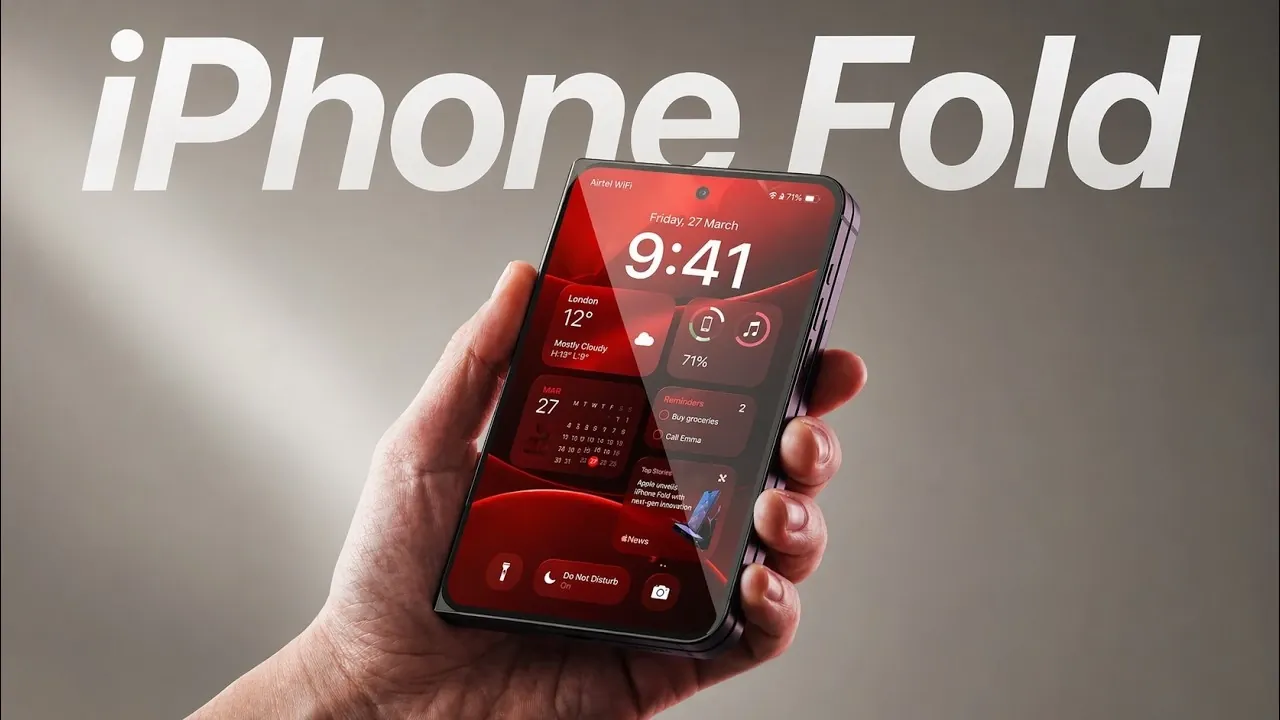
Recent leaks surrounding Apple’s rumored foldable device, the iPhone Ultra Fold, suggest a significant evolution in smartphone design. Positioned as a tablet-first device, the Ultra Fold aims to redefine the foldable category by addressing existing challenges while introducing innovative features. This ambitious approach has sparked widespread discussion, with the Ultra Fold standing out as a potential milestone in mobile technology. Alongside the anticipated but incremental updates to the iPhone 18 Pro, the Ultra Fold’s unconventional design choices are generating both excitement and debate over their practicality and appeal.

iPhone 18 Pro: A Familiar Yet Predictable Upgrade
For those anticipating major changes in the iPhone 18 Pro, the leaks suggest a continuation of Apple’s established design philosophy. The device is expected to retain the same aesthetic and functionality as its predecessor, the iPhone 17 Pro. This consistency caters to users who value reliability and incremental improvements over bold redesigns. While the iPhone 18 Pro is likely to deliver dependable performance and minor enhancements, it lacks the disruptive innovation seen in the Ultra Fold. As a result, the spotlight has shifted toward the foldable device, which promises to challenge conventional smartphone norms.
iPhone Ultra Fold: A Tablet-First Approach
The iPhone Ultra Fold introduces a design that prioritizes tablet usability, offering a wider and shorter form factor when unfolded. This layout resembles a compact iPad, making it particularly suited for productivity tasks and media consumption. The larger display enhances multitasking capabilities, allowing users to run multiple apps simultaneously or enjoy immersive entertainment experiences. However, this tablet-first approach may feel less intuitive for users accustomed to the slim, elongated profiles of traditional smartphones. By adopting this design, Apple signals its intent to cater to a niche audience seeking a hybrid device that bridges the gap between tablets and smartphones.
Reimagined Button Placement for Foldable Use
One of the most noticeable design changes in the Ultra Fold is the repositioning of physical buttons. The volume controls have been moved to the top edge, likely to improve usability when the device is in tablet mode. This placement aligns with the device’s focus on a tablet-first experience but may pose challenges for one-handed phone use. Additionally, the power button, located on the side, now integrates Touch ID functionality. This feature addresses a key limitation of Face ID on foldable devices, where screen folds and angles can interfere with facial recognition. By incorporating Touch ID, Apple enhances security and convenience, particularly for users who frequently switch between phone and tablet modes.
Speculative Features: What’s the Side Cutout For?
The Ultra Fold’s design includes a clean side cutout, which has fueled speculation about its purpose. This feature could potentially house a 5G antenna, making sure optimal connectivity, or introduce touch-sensitive controls that enhance the device’s functionality. If touch-sensitive controls are implemented, they could reduce reliance on physical buttons, offering a more seamless and modern user experience. However, Apple has not confirmed these details, leaving room for further anticipation and debate. The inclusion of such features would align with Apple’s reputation for integrating innovative technology into its devices.
Apple’s Vision: Redefining Foldable Technology
Apple’s strategy with the Ultra Fold reflects its commitment to innovation and user experience. By prioritizing the tablet experience, the company aims to address key challenges associated with foldable devices, such as durability, usability and software optimization. However, this approach involves trade-offs. The two-in-one design may not appeal to users who prioritize portability and the traditional ergonomics of a smartphone. Balancing these competing demands will be critical to the Ultra Fold’s success. Apple’s ability to deliver a device that combines functionality, durability and aesthetic appeal will determine whether the Ultra Fold can redefine the foldable category.
How Will Users React?
The iPhone Ultra Fold is poised to evoke mixed reactions among users. For professionals and tech enthusiasts seeking a hybrid device that bridges the gap between tablets and smartphones, the Ultra Fold offers a compelling solution. Its emphasis on productivity and versatility aligns with the needs of users who value larger displays for multitasking and immersive media experiences. On the other hand, individuals who prioritize compactness and ease of use in a phone may find the design less appealing. The device’s reception will ultimately depend on how well Apple executes its vision and addresses the inherent trade-offs of foldable technology.
A Bold Step Toward the Future of Mobile Devices
The leaked design of the iPhone Ultra Fold represents a daring move in the evolution of foldable technology. By prioritizing a tablet-first experience and introducing features like Touch ID in the power button, Apple is challenging conventional expectations and pushing the boundaries of smartphone design. While the iPhone 18 Pro offers a safe and familiar upgrade for users who value consistency, the Ultra Fold invites users to embrace a redefined mobile experience. Whether this bold approach resonates with consumers will depend on their preferences and willingness to adapt to a new paradigm in mobile devices.
Discover other guides from our vast content that could be of interest on iPhone Fold.
Source & Image Credit: Demon’s Tech
Filed Under: Technology News
Disclosure: Some of our articles include affiliate links. If you buy something through one of these links, Geeky Gadgets may earn an affiliate commission. Learn about our Disclosure Policy.
Credit: Source link