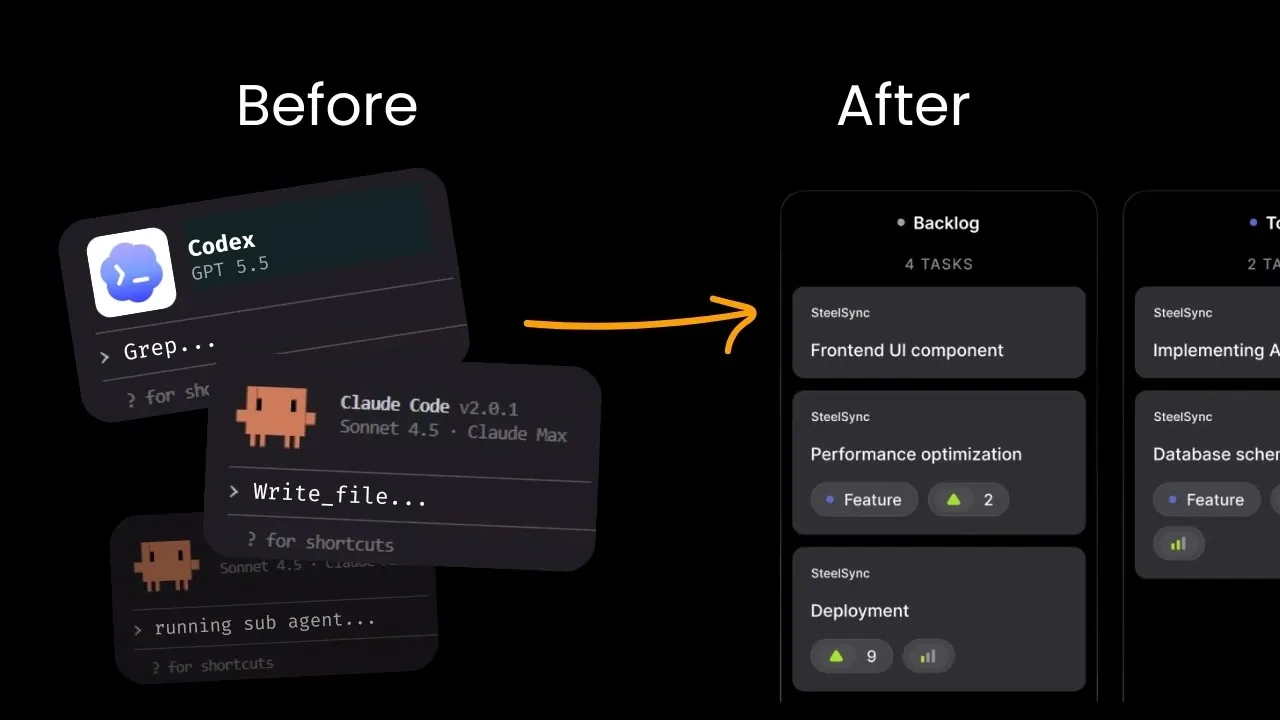
OpenAI Symphony introduces a task-oriented approach to software development, shifting focus from traditional session-based workflows to task-level management. At its core, Symphony utilizes autonomous coding agents to handle tasks such as workspace setup, task validation and progress tracking. These agents integrate with platforms like Linear, Trello and Jira, allowing a structured and efficient workflow. According to AI Jason, Symphony’s architecture includes key components like the workflow.md file, which enforces procedural consistency and a scheduler that ensures tasks are executed in isolated workspaces to support parallel development.
Explore how Symphony automates essential development processes and adapts to diverse project requirements. Gain insight into features like the spec.md framework, which tailors workflows to specific goals and learn how its integrations assist task validation and reporting across external systems. This deep dive provides actionable strategies for applying Symphony to optimize project management and development efficiency.
What Sets Symphony Apart?
TL;DR Key Takeaways :
- OpenAI Symphony introduces autonomous coding agents to manage tasks at the ticket level, integrating seamlessly with tools like Linear, Trello and Jira to enhance productivity and reduce cognitive load.
- Symphony’s core components, including a Scheduler, Workflow.md file and external systems integration, streamline task management and ensure procedural consistency across projects.
- The system automates critical workflows, such as workspace creation, task execution and validation, allowing parallel task handling and minimizing errors.
- Symphony is highly adaptable and customizable, supporting diverse programming languages, ticketing systems and project-specific configurations through tools like Workflow.md and Spec.md.
- By fostering community-driven growth and encouraging developer contributions, Symphony evolves continuously to meet the dynamic needs of modern software development.
OpenAI Symphony introduces a fundamental shift in how developers approach their work. Unlike conventional methods that focus on individual coding sessions, Symphony enables autonomous agents to manage tasks from start to finish. These agents directly overview progress through ticketing systems, minimizing the need for manual intervention. This task-oriented methodology allows developers to dedicate more time to strategic problem-solving and innovation, fostering a more efficient and streamlined development process.
Core Components of Symphony
The architecture of Symphony is carefully designed to optimize and automate the software development lifecycle. Its core components include:
- Scheduler: Handles ticket tracking, workspace setup and the lifecycle management of coding sessions, making sure seamless task progression.
- Workflow.md File: A centralized configuration file stored in the code repository, providing version control and maintaining procedural consistency across projects.
- External Systems Integration: Connects effortlessly with tools like Linear, Trello and Jira, adapting to existing workflows without disrupting established processes.
These components work in harmony to create a cohesive system that supports developers in managing complex projects with greater ease and precision.
Find more information on OpenAI Codex by browsing our extensive range of articles, guides and tutorials.
How Symphony Operates
Symphony automates critical aspects of task management, allowing its agents to execute tasks with remarkable accuracy and efficiency. Key functionalities include:
- Automated workspace creation and agent initiation for tasks marked as “to-do.”
- Support for isolated workspaces, allowing multiple tasks to run in parallel without conflicts or dependencies.
- Customizable settings that define agent behavior, task validation protocols and triggers for human review when necessary.
By automating these processes, Symphony reduces the likelihood of errors, streamlines workflows and ensures tasks are completed efficiently while maintaining high-quality standards.
Adaptability and Customization
Symphony is designed with flexibility in mind, making it adaptable to a wide range of programming languages and ticketing systems. Its adaptability is further enhanced by:
- The workflow.md file, which allows developers to configure agent workflows and behaviors to suit specific project needs.
- The spec.md framework, allowing tailored solutions for unique project requirements and making sure compatibility with diverse development environments.
This level of customization makes Symphony a versatile tool, capable of supporting both small development teams and large-scale enterprise projects with equal efficiency.
Preparing the Agent Environment
A well-prepared agent environment is essential for Symphony to function effectively. Key features of this environment include:
- Self-verifying tools for debugging and end-to-end testing, making sure the accuracy and reliability of completed tasks.
- Support for tools like Playwright CRI, which validates tasks and records evidence of their completion for accountability.
- Integration with external systems to assist seamless task validation and reporting, making sure transparency and consistency.
This robust setup enables Symphony’s agents to autonomously handle complex tasks while maintaining high standards of quality and reliability.
Simplified Implementation
Implementing Symphony is a straightforward process designed to integrate seamlessly with existing workflows. For example, an Elixir-based implementation demonstrates its compatibility with various programming languages. Integration with tools like Linear involves setting up API keys and configuring task status progression, making sure Symphony aligns effortlessly with current development practices.
Fostering Community-Driven Growth
The Symphony ecosystem thrives on contributions from the developer community. Developers are encouraged to create and share custom tools, such as task-based TUIs or Cloud Code support, to extend Symphony’s functionality. This collaborative approach ensures that Symphony evolves continuously, adapting to the ever-changing needs of the software development community and fostering innovation through shared expertise.
The Significance of Symphony
OpenAI Symphony represents a paradigm shift in software development, offering several key benefits that address the challenges faced by modern developers:
- Reduced Cognitive Load: By automating task management, Symphony allows developers to focus on higher-level problem-solving and creative innovation.
- Enhanced Productivity: Autonomous agents streamline workflows, minimize bottlenecks and ensure tasks are completed efficiently.
- Outcome-Oriented Development: Symphony aligns workflows with clear deliverables, keeping projects on track and focused on achieving tangible results.
By addressing these critical areas, Symphony enables developers to work smarter, not harder and positions itself as a vital tool in the future of software development.
Media Credit: AI Jason
Filed Under: AI, Top News
Disclosure: Some of our articles include affiliate links. If you buy something through one of these links, Geeky Gadgets may earn an affiliate commission. Learn about our Disclosure Policy.
Credit: Source link