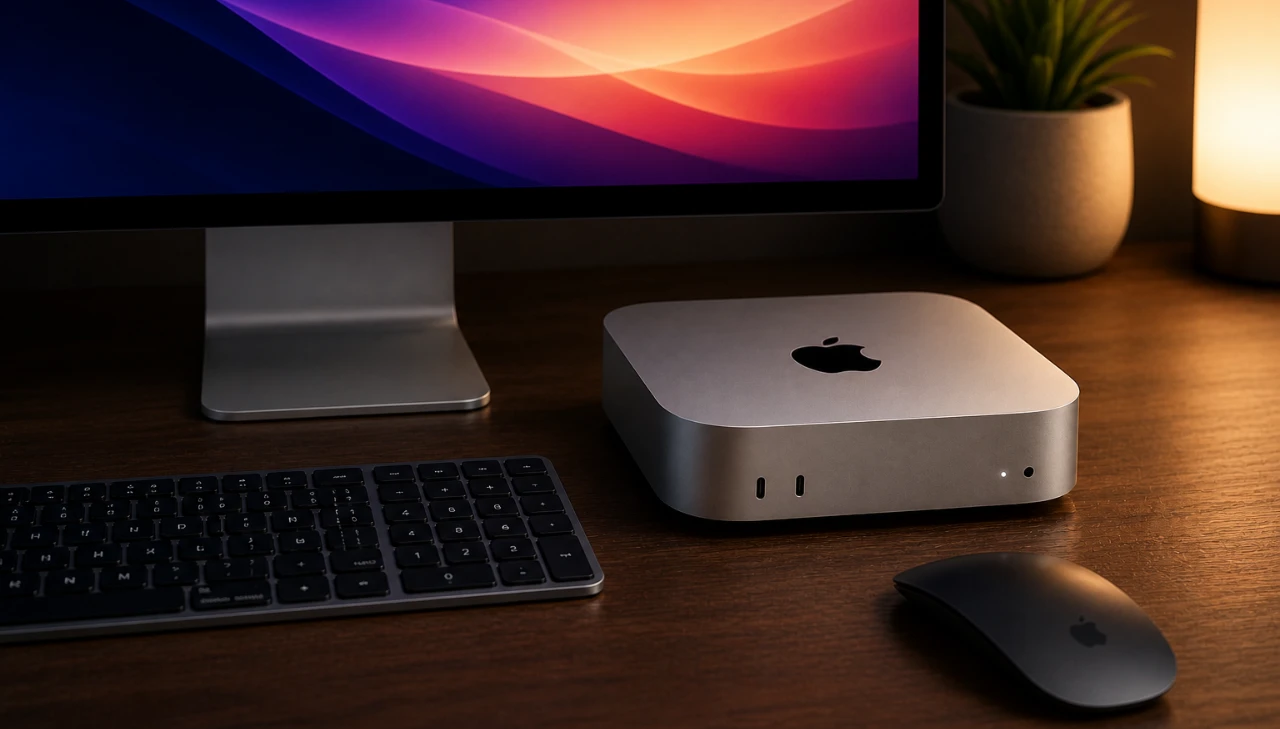
Apple has officially discontinued the $599 base model of the M4 Mac mini, positioning the $799 version with 512GB of storage as the new entry-level option. This decision reflects broader trends in the tech industry and could significantly influence your purchasing decisions if you’ve been considering a Mac mini. Understanding the reasons behind this move and its implications can help you make an informed choice. The video below from Saran Byte gives us more details.

Why Did Apple Discontinue the $599 Mac Mini?
Apple’s decision to phase out the $599 Mac mini stems from several key factors. One of the most significant is the growing demand for devices capable of handling artificial intelligence (AI) workloads. With the increasing prevalence of large language models (LLMs) and other AI-driven applications, users now require systems with greater performance capabilities. The base M4 Mac mini, with its limited specifications, no longer aligns with these evolving demands.
Another critical factor is the ongoing global shortage of RAM, which has disrupted supply chains across the tech industry. Producing lower-cost models like the $599 Mac mini has become less viable for Apple without compromising profitability. By focusing on higher-margin products, Apple can better navigate these supply chain challenges while maintaining its financial stability.
Additionally, this move aligns with Apple’s broader strategy of prioritizing premium configurations. As consumer preferences shift toward devices with higher storage and processing power, Apple appears to be streamlining its product lineup to cater to these trends.
How This Impacts Pricing and Availability
The discontinuation of the $599 Mac mini effectively raises the entry-level price point for the Mac mini lineup by $200. The $799 model, which includes 512GB of storage, is now the most affordable option. For those considering older models like the M1 or M2 Mac mini, dwindling inventory is likely to drive up prices, further limiting budget-friendly choices.
This pricing adjustment reflects Apple’s broader strategy of emphasizing premium configurations over entry-level options. While this approach may help Apple maintain profitability, it could make the Mac mini less accessible to cost-conscious buyers. If you’re in the market for a compact desktop, this shift may require you to reassess your budget or explore alternative options.
What’s Next? Speculation on the M5 Mac Mini
The decision to discontinue the $599 Mac mini may signal the imminent arrival of the M5 Mac mini, which is expected to deliver significant performance upgrades. Although Apple has not officially announced a release date, industry insiders speculate that the M5 could debut later this year, potentially during the Worldwide Developers Conference (WWDC) or through a press release.
The M5 Mac mini is anticipated to feature innovative technology, making it an attractive option for users seeking top-tier performance. If you’re willing to wait, the M5 could offer substantial improvements over the current M4 model, particularly for demanding tasks like AI training and data processing.
What to Expect from the M5 Chip
The upcoming M5 chip is rumored to introduce a new Fusion architecture, designed to enhance both efficiency and scalability. This innovation is expected to excel in handling resource-intensive tasks, such as large-scale data processing and AI workloads. Early benchmark leaks suggest that the M5 chip will outperform its predecessor by a considerable margin, setting a new standard for compact desktop performance.
If these rumors hold true, the M5 Mac mini could become a fantastic option for professionals and enthusiasts alike. Its enhanced capabilities may also make it a compelling choice for users looking to future-proof their investment in a desktop computer.
Should You Buy Now or Wait?
Deciding whether to purchase a Mac mini now or wait for the M5 depends on your specific needs and budget. Here are some factors to consider:
- Immediate Needs: If you require a Mac mini right away, the $799 model is your best option. Waiting for the M5 could result in higher prices or limited availability due to ongoing supply chain constraints.
- Innovative Performance: If you prioritize the latest technology and are willing to wait, the M5 Mac mini may be worth holding out for. However, be prepared for a potential price increase compared to the current lineup.
- Older Models: If you’re open to purchasing an older model, now may be the time to act. As inventory for M1 and M2 Mac minis continues to shrink, prices are likely to rise, making these options less accessible in the near future.
Ultimately, your decision will depend on whether you value immediate affordability or long-term performance. Carefully weighing these factors can help you make the best choice for your situation.
Broader Implications for Apple’s Strategy
The removal of the $599 Mac mini highlights broader challenges and strategic shifts within Apple and the tech industry as a whole. The global RAM shortages and supply chain disruptions have increased production costs, which could lead to higher prices across Apple’s entire product lineup. At the same time, Apple’s focus on higher-tier configurations suggests a deliberate move toward catering to premium markets.
This shift also reflects the growing demand for devices capable of supporting AI-driven workloads and other advanced applications. As technology continues to evolve, Apple’s ability to balance performance, affordability and availability will remain a critical factor in its success. For consumers, these changes underscore the importance of staying informed about market trends and adjusting purchasing decisions accordingly.
Whether you’re a casual user or a tech enthusiast, the discontinuation of the $599 Mac mini serves as a reminder of the rapidly changing dynamics in the tech market. As Apple continues to innovate, understanding these shifts can help you navigate the evolving landscape and make informed decisions about your next device.
Source & Image Credit: SaranByte
Filed Under: Apple, Hardware, Top News
Disclosure: Some of our articles include affiliate links. If you buy something through one of these links, Geeky Gadgets may earn an affiliate commission. Learn about our Disclosure Policy.
Credit: Source link