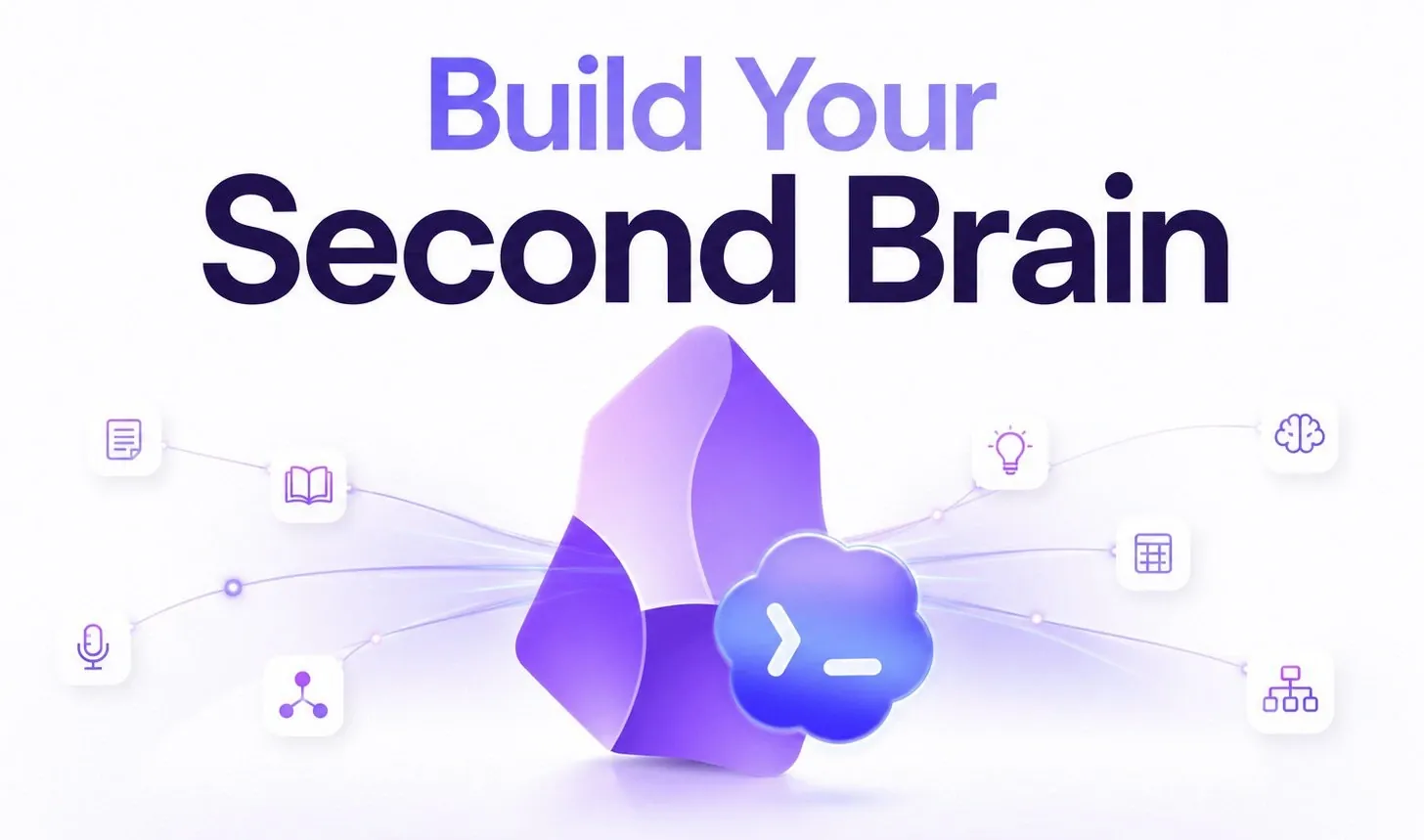
Managing the constant influx of information in daily life can be overwhelming, but Matt Wolfe introduces a method to address this: building a “second brain.” This approach involves creating a centralized knowledge management system to organize notes, ideas and resources for better accessibility and long-term use. By using platforms like OpenAI’s Codex and Obsidian it is possible to incorporate features such as cross-referencing and journaling, you can uncover patterns and insights that support both personal and professional growth. For example, journaling within this system can help track progress and clarify decision-making over time.
Dive into how to construct a second brain that aligns with your unique needs. Learn about its three core components, knowledge base, CRM and journaling, and how they integrate to create a cohesive system. Explore practical ways to use this setup, from organizing relationships to enhancing decision-making processes and discover methods for automating updates to keep everything current. This feature provides actionable steps to help you design a system that simplifies information management and supports your goals.
Core Components of a Second Brain
TL;DR Key Takeaways :
- A “second brain” is a personalized knowledge management system designed to store, organize and retrieve information efficiently, enhancing productivity and simplifying workflows.
- The system is built on three core components: a knowledge base for centralized information, a CRM for managing relationships and a journaling system for reflection and insights.
- Key features include AI-powered insights, automatic summarization, cross-referencing, pattern recognition and integrated meeting notes for seamless information management.
- Essential tools like Obsidian, Codex and GitHub integration enable customization, automation and scalability to align with individual workflows and goals.
- Applications range from personal knowledge management and productivity enhancement to informed decision-making and relationship management, making it versatile for professionals, students and creators alike.
A second brain is built on a foundation of three essential components, each designed to centralize and streamline your information management:
- Knowledge Base: This serves as the central hub for all your information, including articles, YouTube transcripts, podcasts and personal notes. By organizing and interconnecting your data, the knowledge base ensures that everything is easily accessible and contextually linked.
- CRM (Customer Relationship Management): A CRM system helps you manage personal and professional relationships by organizing contact details, meeting notes and interaction histories. This feature ensures you maintain meaningful connections and never lose track of important interactions.
- Journaling System: Integrated journaling allows you to reflect on your activities, uncover patterns and gain insights into recurring themes or challenges. This reflective tool is invaluable for personal growth and decision-making.
Key Features and Functionalities
A second brain is far more than a simple digital archive. It is an intelligent system designed to enhance how you process, analyze and use information. Here are some of its standout features:
- AI-Powered Insights: Advanced AI capabilities analyze your data to provide actionable insights, making it easier to make informed decisions.
- Automatic Summarization: Articles, notes and other content are automatically summarized and categorized, saving you time and effort.
- Cross-Referencing: Interlinked notes and ideas create a dynamic web of knowledge, allowing you to navigate related concepts with ease.
- Pattern Recognition: Journaling entries are analyzed to identify recurring themes, offering valuable insights into your habits and challenges.
- Integrated Meeting Notes: Meeting notes are seamlessly connected to your CRM and knowledge base, providing a comprehensive view of your interactions and commitments.

Gain further expertise in building “Second Brains” by checking out these other articles.
Tools and Setup
The journey to building your second brain begins with selecting the right tools and setting up a system that aligns with your workflow. Below are some essential tools to consider:
- Obsidian: This markdown-based tool is ideal for organizing and visualizing your data. Its flexibility and user-friendly interface make it a popular choice for knowledge management.
- OpenAI Codex: An integrated development environment (IDE) like Codex allows you to build and automate your system, incorporating AI-powered chat and task automation for enhanced functionality.
- Obsidian Web Clipper: This browser extension enables you to save web content directly into your knowledge base, making sure that valuable information is never lost.
- GitHub Integration: Use GitHub for version control and backups, making sure your data remains secure and changes are tracked effectively.
Automation and Maintenance
Automation plays a critical role in making sure your second brain remains efficient and up-to-date with minimal manual effort. Here are some strategies to optimize and maintain your system:
- Hourly Automation: Automate the integration of new content into your knowledge base to keep it current and relevant.
- Systematic Logging: Maintain a log of updates and changes to track the evolution of your system over time.
- Customizable Prompts: Tailor prompts to refine the system’s behavior and outputs, making sure it aligns with your specific needs and preferences.
Applications and Use Cases
The versatility of a second brain makes it a valuable tool for a wide range of users, from professionals to students and creators. Here are some practical applications:
- Personal Knowledge Management: Centralize your notes, research and ideas for better organization and quick access.
- Enhanced Productivity: Streamline your workflow by having all relevant information readily available at your fingertips.
- Informed Decision-Making: Use insights from journaling and pattern recognition to improve your habits, strategies and decision-making processes.
- Relationship Management: Use the CRM component to track interactions and maintain meaningful connections with colleagues, friends and family.
Customization and Scalability
One of the most powerful aspects of a second brain is its ability to adapt and grow alongside your evolving needs. Here’s how you can customize and scale your system:
- Tailored Features: Customize the system to track specific goals, such as fitness progress, recipe management, or academic notes, making sure it aligns with your objectives.
- Expandable Structure: Add folders, tags and categories to deepen your organization and improve accessibility as your knowledge base grows.
- Continuous Learning: The system evolves with your input, becoming increasingly effective and personalized over time.
The Path to a Smarter Workflow
Building a second brain is a practical and efficient way to manage the complexities of modern life. By integrating tools like Obsidian, Codex and AI-powered features, you can create a personalized knowledge management system that enhances productivity, fosters meaningful insights and adapts to your unique needs. Whether you’re a professional aiming to streamline your workflow, a student seeking better organization, or a creator managing diverse projects, a second brain offers a scalable and efficient solution for managing and retrieving information.
Media Credit: Matt Wolfe
Filed Under: AI, Guides
Disclosure: Some of our articles include affiliate links. If you buy something through one of these links, Geeky Gadgets may earn an affiliate commission. Learn about our Disclosure Policy.
Credit: Source link