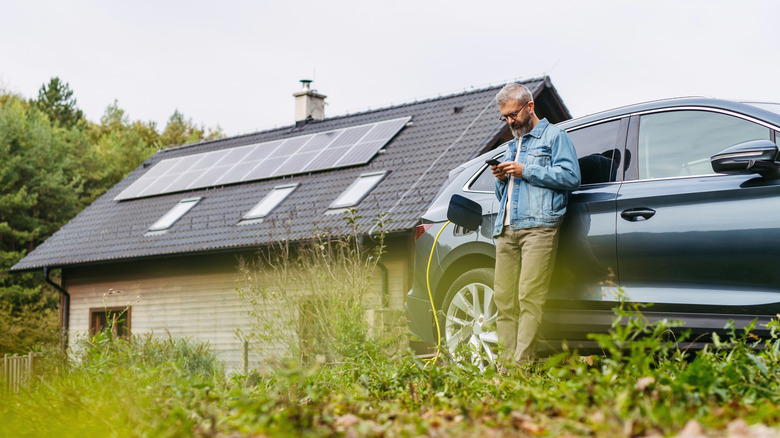
Building your system with some extra capacity makes managing it a bit easier.
If you own a solar system, there’s a good chance you’ll have heard of the 20 percent rule. And if you haven’t, it can be explained easily enough. “n essence, it means estimating how much electricity your house needs, then sizing your solar panel system so that it produces roughly 20 percent more energy than your home uses. Think of it this way: if your home uses 40kWh per day, your panels should be producing 48kWh. But what are the benefits of having this extra energy at your disposal?
It really boils down to savings and guarding against less than optimal solar conditions. Having a system that produces 20 percent more energy should ensure your house has all the power it needs, even during dimmer winter months. There’s also a cost benefit, whereby any excess energy you don’t use can be sent back to the grid resulting in potential banked up credit from your energy supplier. Incentive programs also exist that provide certain discounts the more energy that your home produces. So yes, the 20 percent rule of solar panels can definitely save you money, but it’s not a guarantee of instant savings.
When does the 20 percent buffer come in handy?
One of the main benefits to the 20 percent rule is offering you extra power for those times when your household’s electricity output is higher than normal. Seasonal variations are a big reason you should consider installing additional panels. The summer months are when you should most feel the benefits. In an era of skyrocketing temperatures where heat records are regularly being broken, it’s only natural people are going to run air conditioning systems frequently during summer. In baking conditions, many folks will appreciate that extra solar cover.
Conversely, having more power to tap into can also come in handy during winter. On especially cold days, that additional energy capacity is going to be appreciated if you’re regularly running your heat for hours on end. More generally, owners of solar panel systems that adhere to the 20 percent rule will find it easier to power their homes on dimmer days when the sun’s rays may be obscured. And in case you’re wondering, here’s what happens when solar panels die.
Why should I spend more on solar if I don’t always need it?
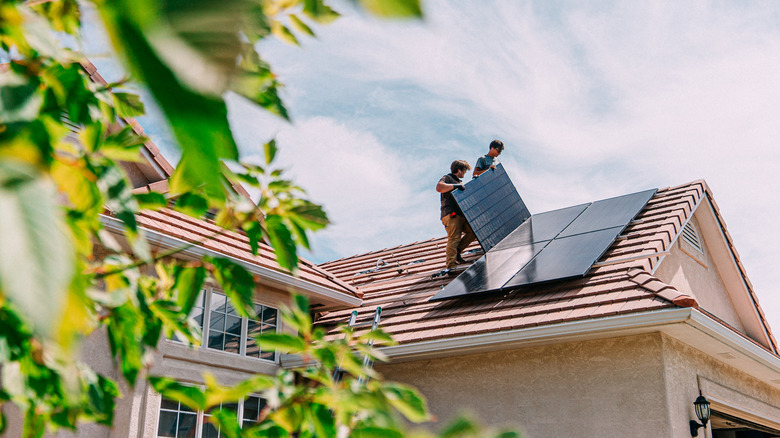
It’s best to think of the upsides of the 20 percent rule in the long term. While your current panelling may service your energy needs perfectly well today, that’s not to say needs won’t change over the lifespan of your system. Lifestyle changes could easily impact your electricity usage going forward and extra panels could well prove worthwhile if you, say, suddenly start working from home more often. Equally, extra solar cover will be appreciated if you install an air conditioning system in your home or buy an EV.
We now live in a world where scientists at Oxford have created a new light-absorbing material that can turn everyday objects into solar panels. That’s great, but such advances probably won’t save you money anytime soon. What could bag you some savings is the 20 percent rule. Depending on your energy provider, any excess power your system produces that your home doesn’t use can be sent back to the grid, netting you credit from your supplier. In turn, this can help lower future bills, and over the longer term could provide serious savings. Just bear in mind that solar buyback rates can vary wildly from state to state in the US, so big discounts aren’t guaranteed.
Does the extra 20 percent really make a difference?
That would be a yes… with caveats. The main benefit to owning a solar panel system that provides 20 percent more power than your household normally consumes is that you’re safeguarding against potential real-world solar losses. It’s been a great time to buy a solar generator for a while now, no question, but there are definitely instances where your generator can do with additional help. If you’re reading this in a particularly rainy part of the US or the UK — where near constant cloud cover in all but summer months is very much a thing — the 20% rule is definitely worth considering, and could net you real savings in the long run. That extra percentage of solar capacity can also help the power losses that naturally occur from less than ideal roofing angles and high panel temperatures.
It’s important to note though, that the 20 percent solar panel rule isn’t going to magically save you 20 percent off your energy bill. Ultimately, it’s best to think of it as a buffer against poor weather conditions or periods where your home’s electricity output is higher than normal.
Credit: Source link