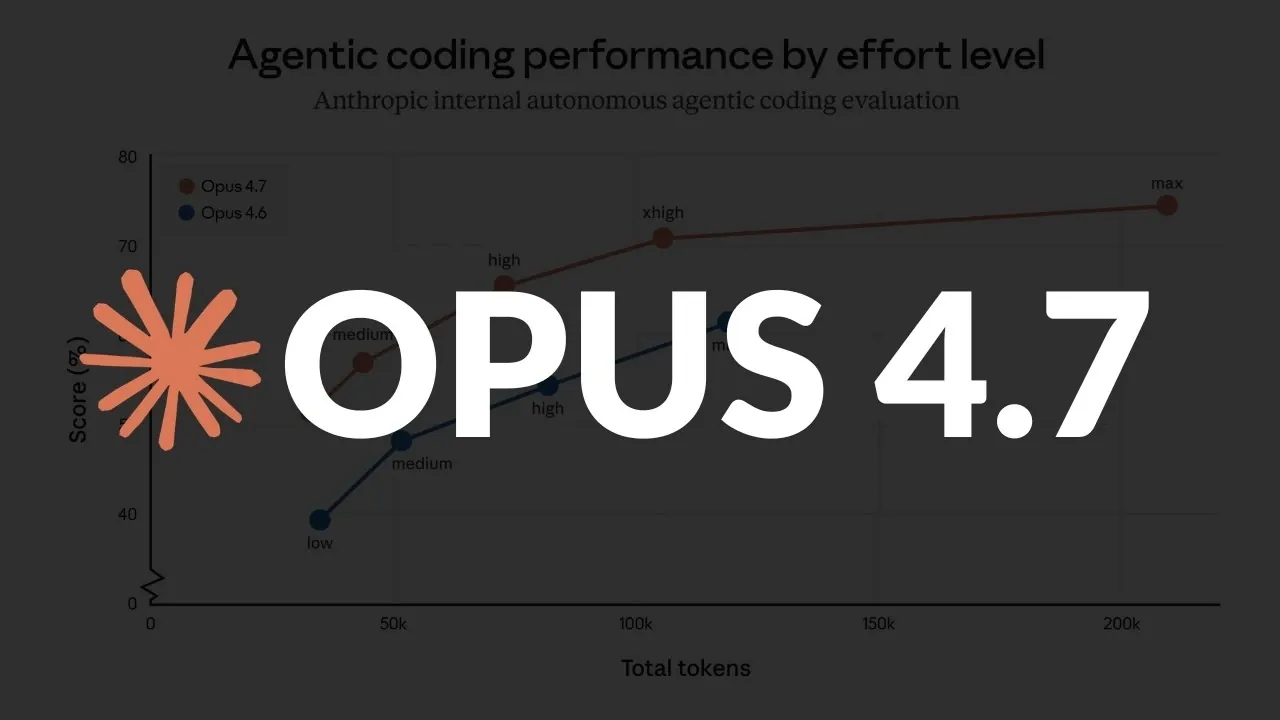
Anthropic’s latest release, Cloud Opus 4.7, introduces significant updates aimed at improving coding, multimodal understanding and instruction-following. While these advancements enhance performance in areas like extended-sequence programming and high-resolution image analysis, they also come with notable trade-offs. For instance, the updated tokenizer increases token usage by 1 to 1.35 times, which could impact workflows reliant on resource efficiency. Prompt Engineering explores these changes in depth, breaking down how they might affect both new and experienced users deciding whether to upgrade from Opus 4.6.
Discover how Opus 4.7’s stricter instruction-following behavior could streamline precision-driven tasks while requiring adjustments to established workflows. Gain insight into the new Task Budgeting feature, designed to improve token allocation for longer projects and explore the implications of the model’s enhanced document reasoning capabilities. This explainer provides a balanced look at the benefits and challenges of upgrading, helping you assess whether Opus 4.7 aligns with your specific needs.
Claude Opus 4.7 Performance Enhancements
TL;DR Key Takeaways :
- Opus 4.7 introduces enhanced coding capabilities, refined multimodal understanding and improved document reasoning, making it ideal for complex programming, image analysis and large dataset workflows.
- The model features stricter instruction-following for greater precision and predictability, but may require prompt retuning, potentially disrupting established workflows.
- Tokenization changes result in increased token usage and costs, necessitating careful resource management for high-volume or budget-sensitive tasks.
- New features like high-resolution image support, Task Budgeting (Beta), and Ultra Review for developers expand the model’s utility, though some features may still require refinement.
- While Opus 4.7 outperforms its predecessor in key areas, external comparisons highlight limitations in cyber capabilities, making it essential to assess its fit for specific needs before upgrading.
Opus 4.7 delivers notable improvements across several areas, making it an attractive option for users with specialized requirements:
- Enhanced Coding Capabilities: The model demonstrates improved reasoning and coherence in agentic coding tasks, particularly when working with extended sequences. This makes it a valuable tool for developers handling complex programming challenges.
- Refined Multimodal Understanding: With better handling of high-resolution images, Opus 4.7 is ideal for tasks requiring the integration of visual data, such as image analysis or multimedia processing.
- Improved Document Reasoning: Enhanced file system-based memory allows for more efficient workflows involving large datasets or iterative processes, streamlining operations that depend on extensive document handling.
These upgrades aim to simplify complex workflows and improve task efficiency. However, their utility depends on the specific demands of your projects, as not all users may benefit equally from these enhancements.
Changes in Instruction Following
One of the most significant updates in Opus 4.7 is its stricter adherence to instructions. This change enhances precision and predictability in task execution but may require adjustments to existing workflows.
- Pros: The model’s improved accuracy in following instructions ensures more consistent results, reducing the likelihood of errors in critical tasks.
- Cons: Users may need to invest time in retuning prompts to align with the model’s stricter behavior, potentially disrupting established workflows during the transition.
For those accustomed to the flexibility of Opus 4.6, this shift might initially feel restrictive. However, the long-term benefits of consistent and precise performance could outweigh the short-term inconvenience of adapting to the new system.

Uncover more insights about Anthropic Opus in previous articles we have written.
Tokenization and Cost Implications
The updated tokenizer in Opus 4.7 introduces a 1 to 1.35 times increase in token mapping, depending on the content type. This change has several implications for users managing resource-intensive workflows or operating within budget constraints:
- Higher Token Usage: The increased token consumption could lead to faster exhaustion of rate limits, particularly for large-scale tasks or extended interactions.
- Increased Costs: The default “extra high” effort level in Cloud Code amplifies processing demands, requiring careful planning to manage token spending effectively.
These changes necessitate a reassessment of resource allocation strategies, especially for teams handling high-volume tasks. While the enhanced capabilities may justify the additional costs for some, others may find the increased expenses challenging to accommodate.
New Features to Explore
Opus 4.7 introduces several features aimed at expanding its utility and addressing diverse user needs:
- High-Resolution Image Support: The Cloud API now supports detailed analysis and integration of visual data, making it a powerful tool for tasks involving images or multimedia content.
- Task Budgeting (Beta): This feature allows users to allocate token spending across longer tasks, providing greater control over resource usage and allowing more efficient project management.
- Ultra Review for Developers: A detailed code review and bug detection tool that streamlines debugging processes and improves overall code quality, particularly for complex development projects.
These additions enhance the model’s versatility, particularly for users working with visual data or intricate coding tasks. However, the beta status of some features, such as Task Budgeting, suggests that further refinements may be needed before they reach their full potential.
Benchmarks and Comparisons
While Opus 4.7 outperforms its predecessor, Opus 4.6, in internal benchmarks, external evaluations provide a more nuanced perspective. Comparisons with the Methus preview highlight areas where Opus 4.7 falls short, particularly in cyber capabilities. Methus demonstrates superior performance in security-related tasks, making it a stronger choice for users with those specific needs. However, Opus 4.7 remains competitive in key areas such as:
- Multimodal understanding
- Instruction-following
These strengths make Opus 4.7 a viable option for users prioritizing these capabilities, even if it does not lead in every category. The decision to upgrade should be guided by an assessment of your unique requirements and the relative importance of these features to your workflows.
Factors to Consider Before Migrating
If you are considering a transition from Opus 4.6 to 4.7, several factors should be carefully evaluated to ensure a smooth migration:
- Tokenization Changes: The increased token usage may necessitate adjustments to workflows and budgets, particularly for resource-intensive projects.
- Prompt Retuning: Adapting to the model’s stricter instruction-following behavior could introduce a learning curve, requiring time and effort to optimize prompts.
- Operational Challenges: Teams with established processes may experience disruptions during the transition, especially if workflows are heavily reliant on Opus 4.6’s flexibility.
While the new features and performance improvements offer clear advantages, these must be weighed against the potential impact on your existing workflows and resource management strategies.
Release Observations
The rollout of Opus 4.7 appears to have been expedited, with limited details provided at launch. While internal benchmark scores are promising, they lack direct comparability to public leaderboard metrics, making it challenging to gauge real-world performance accurately. These factors suggest that the model may require further refinement, underscoring the importance of thorough testing and evaluation before committing to full-scale adoption.
As you evaluate whether to upgrade, consider your specific needs, the trade-offs involved and the potential impact on your workflows. For some, the enhanced capabilities and new features of Opus 4.7 will justify the transition. For others, Opus 4.6 or alternative models like Methus may better align with their operational requirements.
Media Credit: Prompt Engineering
Filed Under: AI, Top News
Disclosure: Some of our articles include affiliate links. If you buy something through one of these links, Geeky Gadgets may earn an affiliate commission. Learn about our Disclosure Policy.
Credit: Source link